
A recent debate within Nollywood has intensified conversations about the structure and sustainability of Nigeria’s film industry, with stakeholders describing the moment as pivotal for the future of African cinema.
The discussion was sparked by comments from acclaimed filmmaker Kunle Afolayan, who questioned the growing expectation that filmmakers must engage in viral dance trends and social media theatrics to boost cinema ticket sales. His remarks generated mixed reactions across the creative community.
While some industry players interpreted the comments as a critique of contemporary digital marketing strategies, others defended them as a call for deeper professionalism and institutional structure within the industry.
Observers note that the debate reflects broader concerns about the pressures facing filmmakers in an evolving marketplace.
In recent years, Nollywood has recorded significant commercial milestones. Actress-producer Funke Akindele has delivered record-breaking box office performances exceeding ₦2 billion, while Toyin Abraham has surpassed the ₦1 billion mark.
Despite these achievements, many filmmakers continue to self-finance productions, manage marketing campaigns and oversee distribution efforts, responsibilities that are typically institutionalized in more structured film industries.
Industry stakeholders argue that the current debate goes beyond social media trends and highlights deeper concerns about sustainability, financing gaps and the absence of robust distribution frameworks.
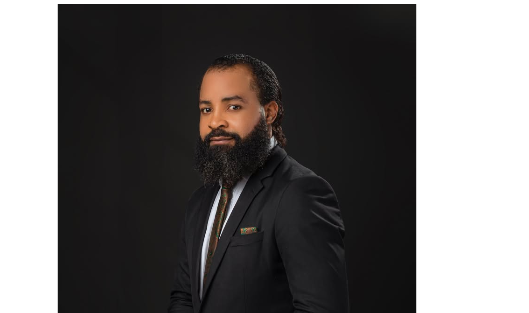
Founder of FlickFunds Africa described the moment as a “structural signal” rather than a generational conflict, emphasizing the need for capital-driven ecosystems that can mobilize investment into African creative assets while strengthening governance and revenue models.
According to the founder, the mission includes empowering producers with structured financing, professionalizing monetization strategies, reducing burnout among creatives and building investor-grade frameworks around African storytelling. The organization is also developing virtual training programmes to equip filmmakers with business intelligence skills required for pitching and revenue planning.
Analysts say Nollywood’s rapid growth — from the DVD era to streaming and algorithm-driven promotion — has outpaced its institutional framework, making this period a potential turning point for the industry.
As the debate continues, stakeholders agree that while digital promotion remains important, long-term sustainability will depend on stronger financing systems, clearer distribution channels and improved investor confidence in African cinema.
Disclaimer
Comments expressed here do not reflect the opinions of Vanguard newspapers or any employee thereof.