
By Moses Nosike
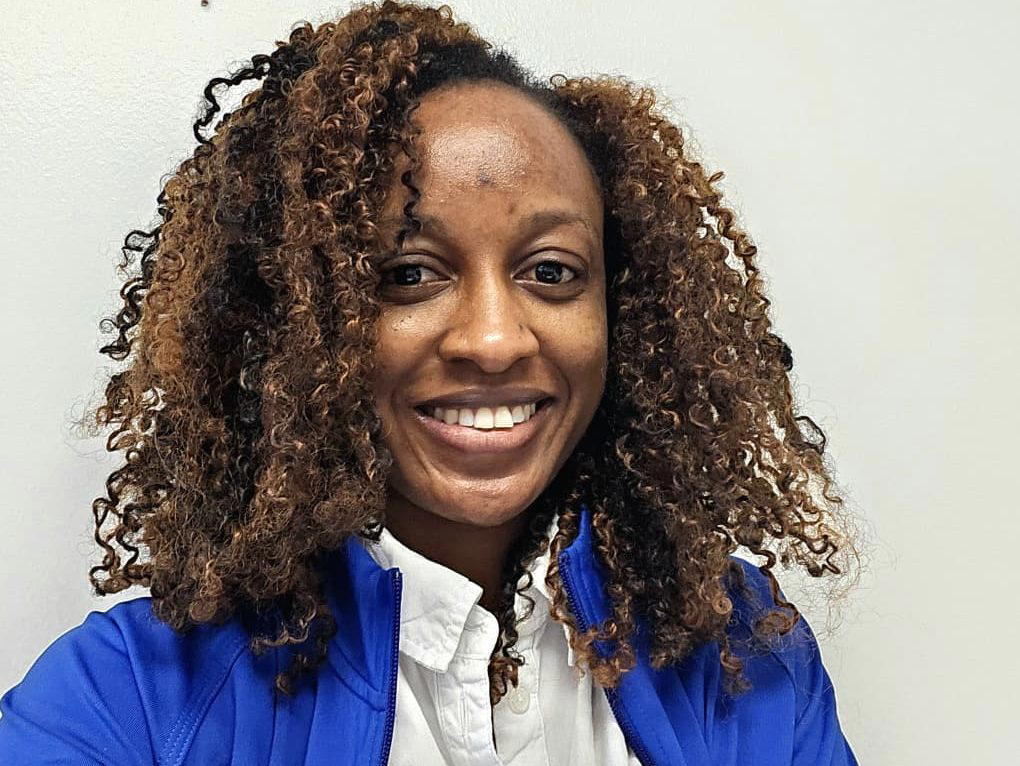
Abimbola Ayoola is a biomedical engineer by training and a quality leader by passion. She presently serves as a Principal Quality Engineer at Medtronic, one of the world’s leading medical technology companies. In this interview, she explains what her job as a biomedical engineer entails and how decisions she takes can directly affect a patient’s chance of survival
Excerpts:
Can you briefly describe what biomedical engineering means in your day-to-day work?
I lead manufacturing site quality operations as a principal quality engineer with a strong mindset, ensuring regulatory compliance (FDA, ISO, EU MDR, EU MDD) while driving operational efficiency and continuous improvement. My day-to-day work includes directing multidisciplinary quality and manufacturing teams, resolving critical manufacturing product and process issues through data-driven root cause analysis, overseeing validation, regulatory request, change management activities, and partnering cross-functionally to prevent non conformances. I serve as a quality and validation SME, support global regulatory inspections, and drive supplier quality improvements consistently improving KPIs, reducing scrap and escapes, and strengthening overall quality culture.
Your academic path began in zoology before biomedical engineering. How did that transition shape your approach to problem-solving?
My academic path from zoology to biomedical engineering fundamentally shaped how I approach problem-solving. Zoology gave me a strong foundation in biological systems, critical observation, and hypothesis-driven thinking, understanding how complex living systems interact, and also organisms that may impact the sterilization of medical devices. When I transitioned into biomedical engineering, I learned to apply that biological insight through an engineering lens: breaking complex problems into structured, testable components and designing solutions that are both technically sound and biologically relevant. I was also able to understand how microorganisms affect medical devices and their clinical application and research, which sometimes involve the use of animals; as a result, understanding animal physiology and systems was highly beneficial.
This engineering and zoology knowledge trained me to think holistically while still being data-driven. For example, in quality engineering and new product development, I don’t just focus on process metrics or compliance in isolation I consider patient safety, biological impact, system interactions, and long-term risk. It’s why I’m particularly strong at root cause analysis, risk management, and cross-functional collaboration. I naturally bridge conversations between engineering, manufacturing, quality, microbiology, sterilization and clinical perspectives, which has helped me drive sustainable improvements and deliver results in highly regulated medical device environments.
As an expert engineer in medical technology, what responsibility weighs most heavily on your role?
As an expert engineer in medical technology, the responsibility that weighs most heavily on my role is safeguarding patient safety while enabling innovation. Every decision I make whether related to process design, manufacturing compliance, risk assessment, validation, or quality systems ultimately affects someone’s health and quality of life. That responsibility requires rigor, integrity, and the discipline to do the right thing even when it’s not the easiest or fastest path.
In highly regulated environments, I see my role as balancing speed, compliance, quality, business profits and excellence without compromising patient trust. That means anticipating risk, asking hard questions, and ensuring systems are robust enough to prevent failures before they reach the patient. It also means leading teams to understand that quality is not just a function or a checklist, it’s a mindset and a shared responsibility in all areas of the business. Knowing that patients may never see my name but will live with the outcomes of our work is what drives me to hold a very high standard for myself and the teams I lead.
Medical devices operate under strict regulations. How do you balance innovation with compliance?
I view innovation and compliance not as competing forces, but as complementary ones. True innovation in medical devices only succeeds if it is safe, effective, and sustainable—and regulations exist to ensure exactly that. My approach is to embed compliance early in the innovation or development process and through the manufacturing process rather than treating it as a checkpoint at the end. Practically, this means involving R&D, design quality, regulatory, software quality, and manufacturing partners from the concept and design phases; using risk management tools like DFMEA, PFMEA,UFMEA and design controls to guide innovation decisions; and designing processes that are validation and Design for manufacturability (DRM)-ready from the start. When all teams understand the “why” behind regulatory requirements, compliance becomes an enabler rather than a constraint.
I also encourage creative problem-solving within the framework of regulations leveraging data, robust root cause analysis, procedures and continuous improvement to find compliant pathways to novel and poka yoke solutions. By building strong quality systems and a culture of accountability, we can move quickly, meet regulatory expectations, and still deliver meaningful innovation that improves patient outcomes while being in compliance with several regulatory requirements.
What is one challenge in medical device manufacturing that the public rarely sees but would find surprising?
One challenge in medical manufacturing that the public rarely sees is how small seemingly insignificant variations can have an outsized impact on patient safety and regulatory compliance. A minor change in a raw material lot, process, product requirements, manufacturing error, a subtle shift in environmental conditions, or a supplier process error that appears harmless can affect product performance, sterility, fit, form and function. What’s surprising is how much effort goes into anticipating, detecting, and controlling these variables and potential or actual non conformances before a product or medical device ever reaches the patient. This includes extensive validation and verification; supplier control and monitoring; environmental control and monitoring; continuous risk assessment; robust quality systems; capable manufacturing processes; and ongoing training often long after a product is already on the market. The public often sees the final device, but behind the scenes, medical manufacturing is a constant balancing act of vigilance, data analysis, and disciplined decision-making to ensure every unit produced is as safe and effective as the first. That invisible work is critical, and it’s what ultimately protects patient trust.
You’ve worked on products used in ears, nose and throat therapies. How does it feel knowing your work reaches patients directly?
It’s deeply humbling and motivating. Knowing that the products I’ve worked on several ranges of medical devices in several product lines used in ears nose and throat therapies are used by patients in moments when their health truly depends on them adds a profound sense of responsibility to my work. These aren’t abstract projects or metrics; they represent real people managing chronic conditions or facing critical, life-changing procedures. This also emphasizes that the decisions I make can directly affect someone’s chance of survival. That awareness shapes how I show up as an engineer and a leader. It pushes me to be meticulous in decision-making, uncompromising on quality, and intentional about building systems, processes and teams that prioritize patient safety above all else. Even when it is challenging, I’m reminded that consistency, discipline, and integrity behind the scenes directly translate into trust and outcomes at the patient level. It’s also incredibly rewarding because while patients may never know my name, knowing that my work contributes to improving or even saving lives gives lasting meaning to everything I do.
Beyond technical skills, what qualities are most essential for engineers working in healthcare?
A patient-centered mindset is essential, as decisions directly impact patient safety and outcomes, and strategic problem-solving is critical to reduce non-conformances, streamline processes, and implement corrective actions. Resilience and adaptability are necessary to navigate regulatory audits, complex supplier issues, and high-pressure situations, while ethical judgment and regulatory awareness ensure compliance with standards such as FDA, ISO, and EU MDR/EUMDD. Finally, a commitment to continuous learning and mentoring fosters growth, innovation, and a culture of excellence within healthcare engineering teams.
You are also involved in scientific research. How does research complement industry work for you?
Research complements industry work by bridging theory and practical application, allowing me to bring evidence-based solutions to complex healthcare challenges. In my experience, conducting scientific research sharpens analytical thinking, deepens understanding of materials, processes, and biological interactions, and informs process improvements or product development strategies in a regulatory environment. For example, insights gained from research can directly influence manufacturing efficiency, quality outcomes, and patient safety. Additionally, research encourages continuous learning and innovation, which I integrate into industry projects to drive more effective problem-solving, process optimization, and adoption of best practices across cross-functional teams. In essence, research provides the scientific foundation that strengthens decision-making, technical rigor, and long-term impact medical device engineering.
As someone who has worked across different countries, how has that global exposure influenced your professional perspective?
Working across different countries has significantly broadened my professional perspective by exposing me to diverse regulatory environments, cultural approaches to problem-solving, and operational practices. Collaborating with international teams, suppliers, and regulatory bodies has strengthened my adaptability, cross-cultural communication skills, and ability to align multiple stakeholders toward common quality and patient-centered goals. It has also deepened my understanding of global healthcare standards and highlighted the importance of harmonizing processes while respecting local requirements. This global exposure has taught me to approach challenges with a broader, more flexible mindset, to value diverse perspectives, and to implement scalable solutions that ensure both compliance and excellence in product quality across markets. It has also helped me develop some of the most effective and insightful solutions when problem-solving.
What advice would you give to young people considering a career in biomedical engineering today?
For young people considering a career in biomedical engineering today, I would emphasize the importance of combining technical expertise with curiosity, adaptability, and a patient-centered mindset. Focus on developing strong fundamentals in engineering principles, but also cultivate skills in problem-solving, teamwork, and communication, as biomedical engineers often work across clinical, regulatory, design and manufacturing teams. Stay curious and committed to continuous learning, because healthcare technologies, regulations, and patient needs are constantly evolving. Seek opportunities for hands-on experience, whether through internships, research, or cross-functional projects, to understand how theory translates into real-world impact. Finally, approach your work with integrity and empathy, remembering that every decision, process improvement, or innovation ultimately affects patient safety and quality of life.
Disclaimer
Comments expressed here do not reflect the opinions of Vanguard newspapers or any employee thereof.