
By Vera Anyagafu
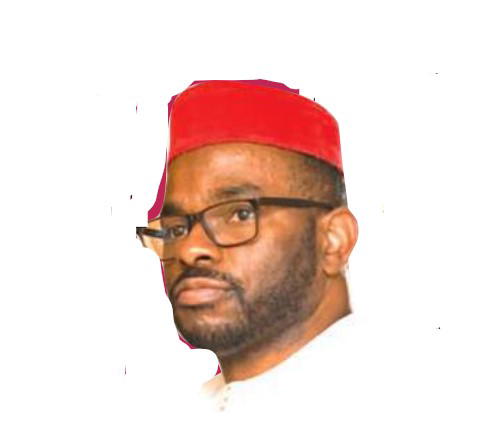
Dr. Olaoluwa Andrew Oyedola, is the National Coordinator of Nigerian Student Society Presidents’ Forum (NSSP), UK, leading over 70 student society Presidents across the UK.
Fresh off completing his PhD in Philosophy at Anglia Ruskin University (ARU), Cambridge, Oyebola championed African knowledge inclusion in global scholarship, decolonising intel and boosting diversity.
In this interview, Oyebola who scored the Gold Volunteer Award at ARU,
shares key wins, strategies and game-changing support for Nigerian students in the UK. His exploits include, interest-free loans via African ‘Ajo/Esusu’ schemes, pushing for residency rights, work visas, and growing student membership to 1,000 plus, driving advocacy wins, as well as collaborating with NIDCOM and pushing for decolonised curricula.
Excerpt.
What measurable outcomes has NSSPF achieved in improving Nigerian students’ academic/welfare conditions in the UK?
Our impact is measured by structural growth and tangible support systems. Under my leadership at the ARU society level, we grew membership from scratch to over 1,000 members, providing a blueprint for the 70 plus chapters we now coordinate nationally. Measurable outcomes include,
ADVOCACY SUCCESS: Successfully negotiated academic deadline extensions and accommodation support for over 100 international students.
WELFARE CONSISTENCY: Established a mental and physical health check-in system that has run every Friday night for the past three years.
EMPLOYABILITY: Facilitated job opportunities for students through our leadership network, with some leaders opening their workplaces to close to 10 ARU students.
UNITY OF PURPOSE: Built a nationwide relationship among Nigerian students to help business collaboration that can solve the financial and immigration challenges.
To help fulfil it’s mandate, what specific support does NSSPF offer the Nigerians in Diaspora Commission (NIDCOM)?
The NSSPF acts as a vital bridge between the Nigerian community and the students in the UK. We collaborate with bodies like NIDCOM to ensure the voice of the 70 plus universities we represent is heard on diaspora issues that affect them. Regarding host countries, we specifically advocate for:
RESIDENCY AND WORK RIGHTS: We support initiatives that allow students to transition into the Graduate Route, Skilled Workers or Global Talent visas, ensuring Nigerian brains contribute to global innovation.
INCLUSIVE CURRICULUM: Through my role as a Race Equality Advocate, we push for the decolonisation of curricula to ensure host countries provide a truly representative and supportive academic environment for Nigerian students.
Could you share the number of Nigerian students who are currently enrolled in UK universities, and how has the number changed over the past 5 years?
While exact national figures fluctuate, the NSSPF-UK currently oversees the interests of presidents representing tens of thousands of students across 70 plus UK universities. Over the past five years, we have seen a significant surge in enrollment, though recent UK immigration policy shifts, such as restrictions on dependents have created new challenges for our community. Despite these shifts, Nigeria remains one of the top sending nations, and our forum is working harder than ever to ensure these students remain resilient and supported.
How does NSSPF advocate for financial aid, provide mentorship, address discrimination, and collaborate with the High Commission?
Our strategy is multifaceted and active.
FINANCIAL AID & ENTREPRENEURSHIP: We drive entrepreneurship initiatives to empower students to create their own economic opportunities. These include Innovation summit AUSS (African Union Student Summit), joint care and real estate business, African ‘Ajo/Esusu’ (contribution) to allow students access to loan without interest.
MENTORSHIP: Through the SHOKE Africa Project, we connect students with alumni and professional networks for real-life experience.
DISCRIMINATION: As a Race Equality Advocate, I lead efforts to foster inclusive learning environments and tackle systemic biases within the university structure.
EMERGENCY SUPPORT: We maintain close ties with diplomatic and university stakeholders to provide fair hearings and support during crises, such as loss of documents or immigration hurdles.
How has your background in Philosophy helped in the issue of cultural identity for Nigerian students in the UK?
I would like to highlight the synergy between academic research and community service. Many see a PhD in Philosophy as abstract, but my research into African perspectives provides the logical framework to solve the very real problems our students face. By advocating for an “African Model” of knowledge, we are not just helping students survive in the UK; we are teaching them to lead with a sense of identity and intellectual confidence that will serve them globally and help them innovate.
Disclaimer
Comments expressed here do not reflect the opinions of Vanguard newspapers or any employee thereof.