
By Musa Ubandawaki, Sokoto
Sokoto State welcomed a high-level delegation from the European Union (EU), alongside United Nations agencies and international partners, who concluded a mission to the state aimed at strengthening social systems and improving the lives of women, children, and vulnerable families.
The delegation included representatives from the EU Delegation in Abuja, UNICEF, UNFPA, ILO, and partner organisations such as Plan International Nigeria, Action Against Hunger (ACF), CARE, and the Danish Refugee Council (DRC). They engaged with state authorities and communities to review progress on EU-supported programmes across Sokoto.
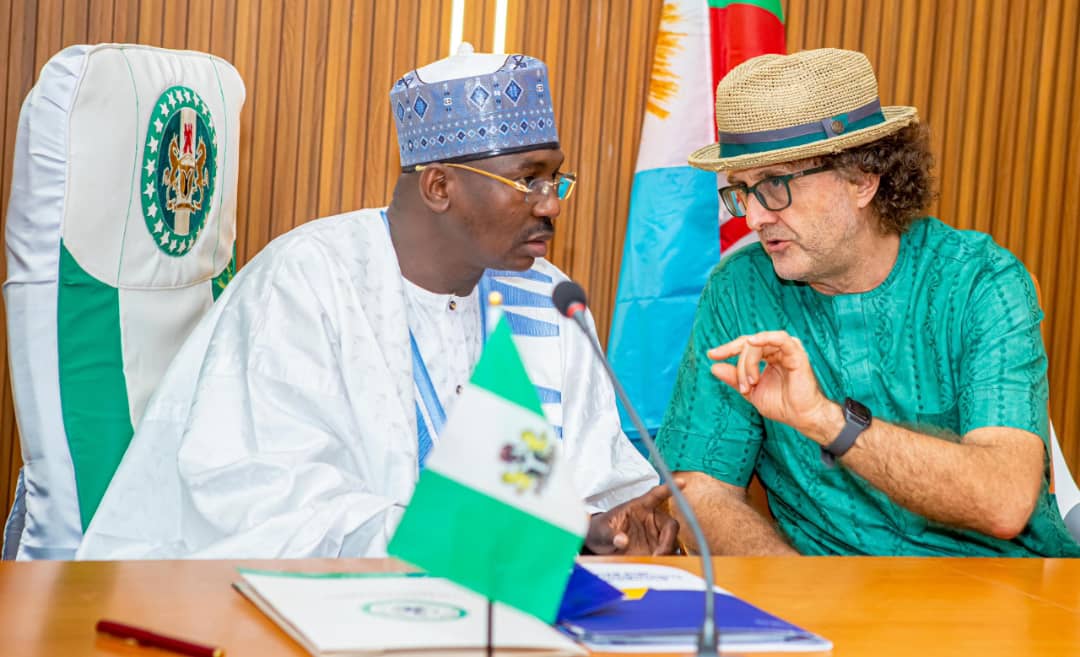
During a courtesy visit, Governor Ahmed Aliyu reaffirmed his administration’s commitment to delivering essential services that directly impact citizens, emphasising interventions that enhance the wellbeing of women, children, and disadvantaged families in line with national and state development priorities.
The mission allowed the delegation to assess initiatives in schools, primary healthcare centres, internally displaced persons (IDP) camps, and community-based services. Head of Cooperation at the EU Delegation, Massimo De Luca, noted that the visit highlighted the importance of investing in systems that protect and empower people, particularly children and young people, reaffirming the EU’s commitment to inclusive development in Sokoto.
In schools and communities, the team observed efforts to create safe learning environments, support teachers, and encourage community participation to keep children in school. UNICEF Deputy Representative (Programme), Rownak Khan, said UNICEF’s work focuses on strengthening education, health, and adolescent services, while supporting families through social protection to ensure children can survive and thrive.
A key highlight of the visit was the introduction of a new tool to capture multiple dimensions of poverty within the National Social Register under the EU-funded Supporting Sustainable Social Protection Systems in Nigeria (SUSI) programme. Backed by €14 million in EU funding, the initiative aims to improve social protection policies and build a comprehensive social registry in Sokoto, targeting families most in need.
The ILO Country Director emphasised that sustainable social protection relies on strong institutions, clear policies, and coordinated financing. He noted that improved budgeting and an interoperable social registry would enable the state to deliver support more effectively.
At primary healthcare facilities, the delegation reviewed efforts to make services adolescent-friendly and gender-responsive. The UNFPA Nigeria Resident Representative praised frontline health workers’ dedication and stressed the importance of providing quality, respectful care accessible to women and adolescents.
Community-based organisations and humanitarian partners highlighted the critical role of local leadership, safe education spaces, and inclusive, climate-smart solutions for displaced and host communities, particularly in the face of conflict, climate change, and food insecurity.
At the conclusion of the mission, the EU, UN agencies, and partners renewed their joint commitment to supporting Sokoto State’s social and economic development, focusing on protecting the dignity and future of its most vulnerable populations.
Disclaimer
Comments expressed here do not reflect the opinions of Vanguard newspapers or any employee thereof.