
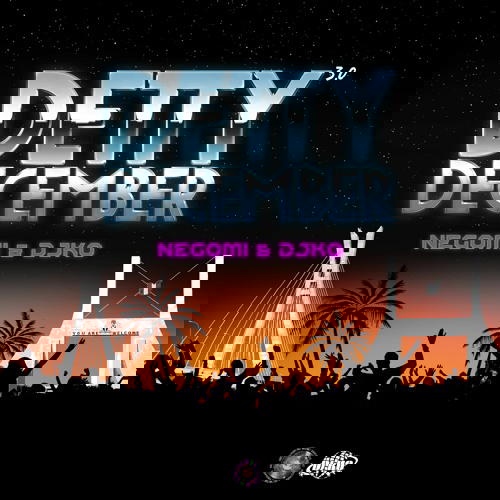
Detty December refers to the high-energy festive season in Nigeria, especially Lagos, from mid-December through early January, marked by non-stop parties, concerts, and social events. The term “Detty,” derived from Nigerian Pidgin for “dirty,” captures the wild, unrestrained celebrations as diaspora Nigerians return home, boosting the city’s vibe.
The phrase gained traction around 2016 when singer Mr. Eazi popularised it via a hashtag for his Lagos concert and later trademarked it, though its roots tie to earlier festivities like the 2004 Calabar Carnival. Lagos emerged as the epicenter due to its Yoruba “Owanbe” party culture and Afrobeats dominance, drawing returnees dubbed “IJGBs” (I Just Got Back) for urban revelry. While celebrations span Nigeria, eastern cities see outflows to villages, concentrating the frenzy in Lagos.
Detty December embodies a collective exhale after Nigeria’s tough year, with diaspora remittances hitting 4 per cent of GDP and fueling extravagant spending on events, weddings, and nightlife. It signifies resilience and joy amid challenges, transforming cities into entertainment hubs with concerts, beach parties, street carnivals, and more. The period aligns with school closures, harmattan weather, and year-end bonuses, creating optimal conditions for six weeks of nonstop festivity.
Lagos drew 1.2 million visitors in December 2024, 60 per cent domestic, overwhelming flights, hotels ($44 million revenue), and short-lets ($13 million). Airlines like Delta and United ramped up routes from the US and Europe, with diaspora from London and New York filling planes despite high fares. Attractions like beaches, galleries, and parks surged in attendance, positioning Lagos as a top holiday spot rivaling global destinations.
Events like Flytime Fest, Rhythm Unplugged, and Lagos Culture Week spotlight Afrobeats stars (Burna Boy, Wizkid, Davido) and theatre like “Dear Kaffy,” with 58 music shows alone. Cinemas hit N2.8 billion in box office from hits like “Everybody Loves Jenifa,” while state-backed fireworks and free concerts amplify cultural pride. This elevates Lagos’s global arts profile, with Afrobeats growing 114 per cent internationally.
Tourism and entertainment generated $71.6 million (N111.5 billion) in Lagos during 2024 Detty December, spiking aviation, hospitality, and rideshare demand (Uber up 13 per cent). Businesses across sectors—fast food, event planners, luxury rentals—earn 40-60 per cent of annual revenue, creating jobs and foreign exchange via diaspora spending. The frenzy injects vitality into Lagos’s economy, though it strains locals with traffic and prices.
Road traffic congestion during Detty December in Lagos stems from high visitor influx, events, weddings, and shopping, overwhelming routes like Third Mainland Bridge, Ikorodu Road, and Lekki-Epe Expressway. Effective solutions will combine personal strategies, public transport promotion, and government interventions to ease gridlock without curbing festivities.
People can learn to travel before 6:30 am or after 10 pm to avoid peak hours when concerts, deliveries, and nightlife peak. They can also cluster errands into single trips and arrive early at events to leave during off-peak times, reducing repeated exposure to jams.
Using real-time apps like Google Maps for dynamic rerouting, but pairing with local knowledge to avoid overcrowded shortcuts could be useful. People can stick to one side of bridges when possible and combine ride-hailing (e.g., Uber) with short walks for flexibility in dense areas. Prioritising Blue Line rail, BRT buses, and regulated corridors like Mile 2 to Costain, which bypass major gridlocks is another effective solution to the problem. Airport-to-Lekki/Ikoyi rail links and waterways could be expanded to handle diaspora arrivals and cut road dependency.
Road-blocking events by religious groups, party organisers, and traders should be banned. Long-term development of revenue-generating expressways and smart signals tailored for December surges will go a long way to solving the problem.
Disclaimer
Comments expressed here do not reflect the opinions of Vanguard newspapers or any employee thereof.