
By Samuel Oyadongha, Yenagoa
The United Nations Children’s Fund (UNICEF), in collaboration with the Child Rights Information Bureau (CRIB) of the Federal Ministry of Information and Orientation, has trained media practitioners on ethical journalism and child rights reporting.
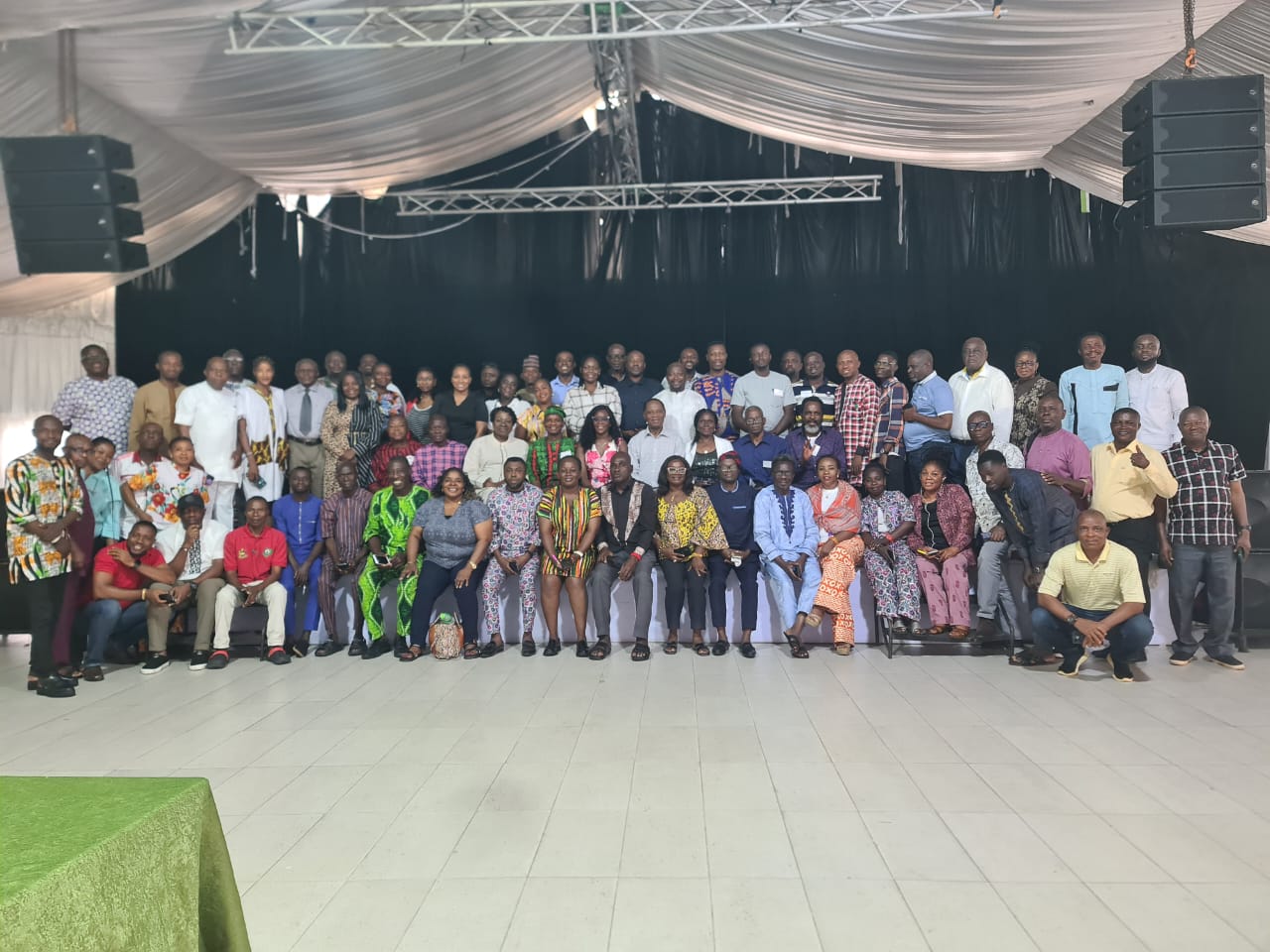
The two-day training programme, held in Port Harcourt, Rivers State, aimed to equip journalists with the knowledge and skills necessary to report on child rights issues in the country while adhering to legal and ethical frameworks.
The UNICEF Country Representative, Wafaa Saeed, welcomed participants drawn from the South-South, South-East, and North-Central zones of Nigeria, emphasizing the high value UNICEF places on the media. Represented by Susan Akila, UNICEF Communication Specialist, she said the agency believes that children often do not have a voice, and the media is uniquely positioned to speak on their behalf.
“We believe the media are the foot soldiers, important not just to UNICEF but to the children of Nigeria. This training ensures journalists do not report children in harm’s way, and that perpetrators of child injustice are not left unreported and unpunished,” she said, urging participants to use the training to sharpen their reporting skills on issues affecting children.
In his keynote address, Anselem Audu, Chief of Field Office UNICEF, Port Harcourt, highlighted the critical role journalists play in shaping public perception and influencing the well-being of children. He noted that the media can amplify the voices of children, highlight their struggles, and bring attention to issues affecting their development.
He stressed that with this power comes great responsibility. “The way we report on children and their stories can have a lasting impact on their lives. Ethical reporting builds trust, heals divisions, and protects the vulnerable, prioritizing children’s best interests and their right to a future free from shame and harm.”
Dr. Audu urged journalists to seek out diverse perspectives, include children’s voices and experiences, report with empathy and accuracy, and balance their reporting with sensitivity and fact-based information. He described ethical reporting on children not just as a moral imperative but as a professional obligation to create a safer and supportive environment for Nigeria’s children.
Temitoye Falayi, Assistant Director and Head of CRIB, representing the Permanent Secretary Mr. Ogbodo Chinasa, said the session brought together journalists, media practitioners, and advocates who play vital roles in shaping public understanding, influencing attitudes, and protecting children.
He added, “The training helps participants reflect on their ethical obligations as journalists, explore best practices for reporting on children’s issues, and strengthen understanding of child rights as enshrined in national laws and international conventions. Through open discussions, case studies, and shared experiences, we aim to build a media culture that responsibly protects children’s identities and amplifies their voices while upholding the highest ethical standards.”
In separate presentations, the following topics were covered:
Dr. Geoffrey Njoku, Communication, Advocacy and Development Consultant: Overview of the United Nations Convention on the Rights of the Child and Ethical Principles in Reporting Children’s Issues
Dr. Jide Johnson: Foundations of Child Rights
Lekan Sote: Balancing Public Interest with Child Protection
Prof. Charles Obot: Drafting Newsroom Guidelines on Child Reporting
Disclaimer
Comments expressed here do not reflect the opinions of Vanguard newspapers or any employee thereof.