
By Obas Esiedesa, Abuja
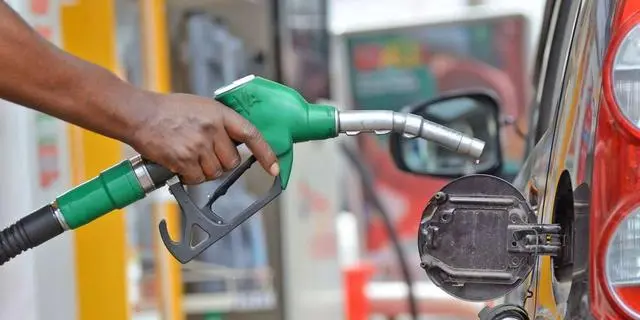
The pump price of petrol could drop to about N800 per litre if the Federal Government strengthens governance institutions and fully implements the Petroleum Industry Act (PIA) 2021, energy economist, Professor Wumi Iledare, has said.
Speaking at the weekend ahead of the opening of the 2025 Annual International Conference of the Nigeria Association for Energy Economics (NAEE) on Monday, Iledare described weak governance structures as the biggest challenge facing Nigeria’s petroleum industry.
The conference has the theme: “Emerging Geopolitics of the Energy Landscape: Navigating Global Shifts and Implications for Developing Economies.”
According to him, a robust governance framework would foster fair competition among industry players and promote efficiency across the energy value chain.
Currently, petrol pump price ranges from N890 to N970 per litre depending on location across the country.
Iledare commended President Bola Tinubu’s decision to remove petrol subsidies and unify the foreign exchange market two years ago, describing both as steps in the right direction.
However, he acknowledged that the immediate impact of the reforms has been tough on citizens, stressing the need for strong institutions to ensure that the long-term benefits are realized.
“But we must come to terms with the fact that with time, things are shaping up, even though it’s not quick enough. And we all agree to that. And this is where I think the private sector would be a better driver.
“But right now, the driver of the economy is still with the government. And the savings can be used to alleviate poverty. And what I always try to suggest to the government is it is better to invest in structures that will add value to the economy.
“So we are still trying to adjust to the shock. And it’s going to take a while. And I’ll still advocate the way I’ve tried to do with respect to the price of petrol products. It can still go to 800 Naira per litre with proper institutional governance beyond personality-driven governance.
“The moment we empower institutions, I think the Nigerian economy can rebound”, he added.
Earlier, the President of NAEE, Dr Hassan Mahmud explained that the theme of the conference reflects the realities of a rapidly changing global energy order.
Mahmud stated: “Across the world, we are witnessing profound realignments in how energy is produced, traded, financed, and governed. The race towards cleaner energy, the reconfiguration of global supply chains, and the geopolitics of critical minerals are all reshaping the balance of power among nations.
“For developing economies like Nigeria and other African countries, these shifts present both opportunities and risks. On one hand, the continent possesses vast untapped resources — from hydrocarbons to renewables — but on the other, we face the challenge of ensuring that global transitions do not leave us behind or undermine our developmental aspirations”.
He added that for “Nigeria, the theme resonates deeply. As a major energy producer and the largest economy in Africa, our prosperity remains tied to the stability, competitiveness, and sustainability of the energy sector.
“The ongoing global push toward decarbonization has direct implications for our oil and gas exports, fiscal revenue, and industrial competitiveness. But it also opens vast opportunities — in gas monetization, renewables, and regional energy integration”.
Disclaimer
Comments expressed here do not reflect the opinions of Vanguard newspapers or any employee thereof.