
By Esther Onyegbula
Sierra Leone’s Chief Minister, David Moinina Sengeh, has renewed calls for Africa to be given a permanent seat at the United Nations Security Council (UNSC), insisting that global governance and financial systems must be urgently restructured to reflect the continent’s role in world affairs.
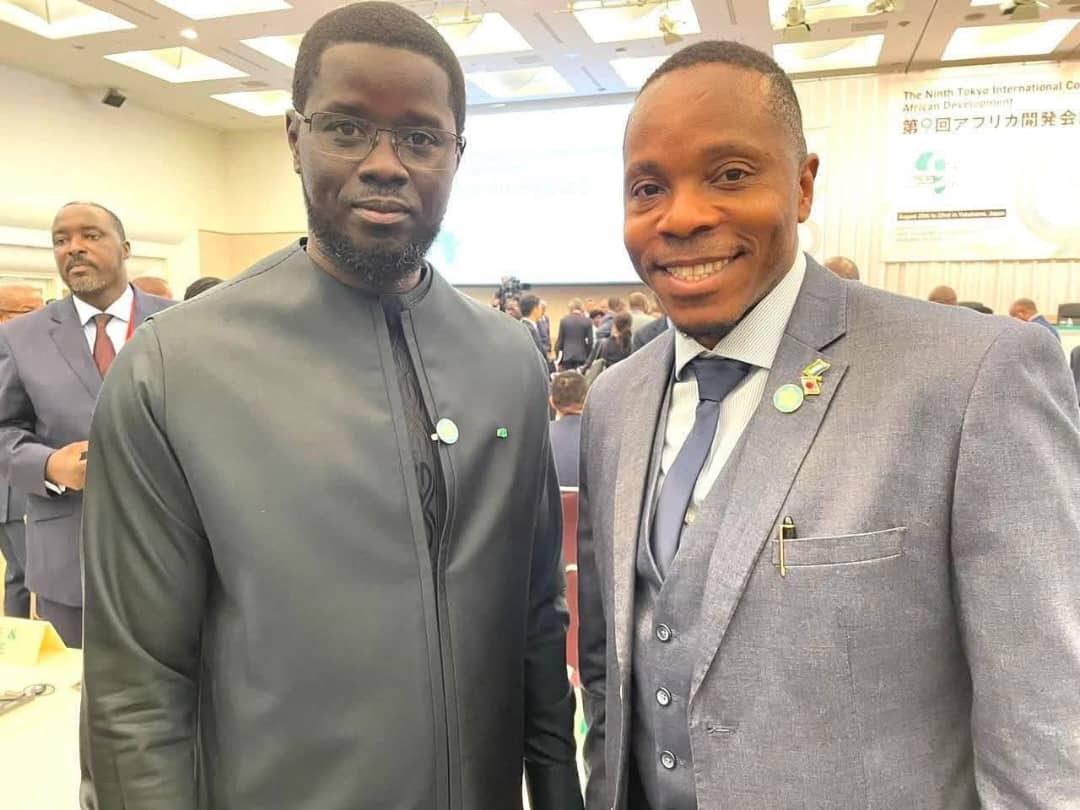
Sengeh made the demand at the close of the 9th Tokyo International Conference on African Development (TICAD9), which ended on August 22 in Yokohama, Japan. The three-day summit, themed “Co-create Innovative Solutions with Africa,” brought together African leaders and development partners to address pressing socio-economic and political challenges.
He argued that despite decades of advocacy, Africa continues to be marginalised in multilateral institutions, including the UN, the International Monetary Fund (IMF) and the World Bank, adding that the absence of permanent representation for the continent at the UNSC undermines efforts to build a just global order.
“Until we make these multilateral institutions more radically inclusive, we will keep moving further away from a just society,” Sengeh said.
On the global financial system, the Chief Minister described current structures as discriminatory against poorer nations, saying they trap African economies in cycles of debt. He called for reforms in financing terms, debt restructuring, reallocation of Special Drawing Rights (SDRs), and more equitable risk assessments.
Sengeh also emphasised Africa’s demographic advantage, with nearly 70 per cent of its population under 30, but warned that without adequate investment, the youth could become a wasted resource. He described many young Africans as “coders without devices, farmers without tractors, and researchers without labs,” stressing that governments must create an enabling environment for innovation.
The Chief Minister further highlighted the growing role of the private sector in driving Africa’s development. He cited trade and investment forums involving Sierra Leone and South Africa in Japan as examples of partnerships capable of attracting meaningful investment.
Beyond the symbolism of Africa’s participation in summits like TICAD, Sengeh said such gatherings provide platforms for collective bargaining and bilateral agreements that must yield concrete outcomes.
“Our citizens must demand results from these engagements, and it is our responsibility as leaders to bring them along on Africa’s journey of transformation,” he added.
TICAD, established in 1993 by Japan, remains one of the longest-running forums focused on African development, with its ninth edition addressing economic growth, social development, peace and stability on the continent.
Disclaimer
Comments expressed here do not reflect the opinions of Vanguard newspapers or any employee thereof.