
…as Bill Passes Second Reading
By Gift Chapi-Odekina, Abuja
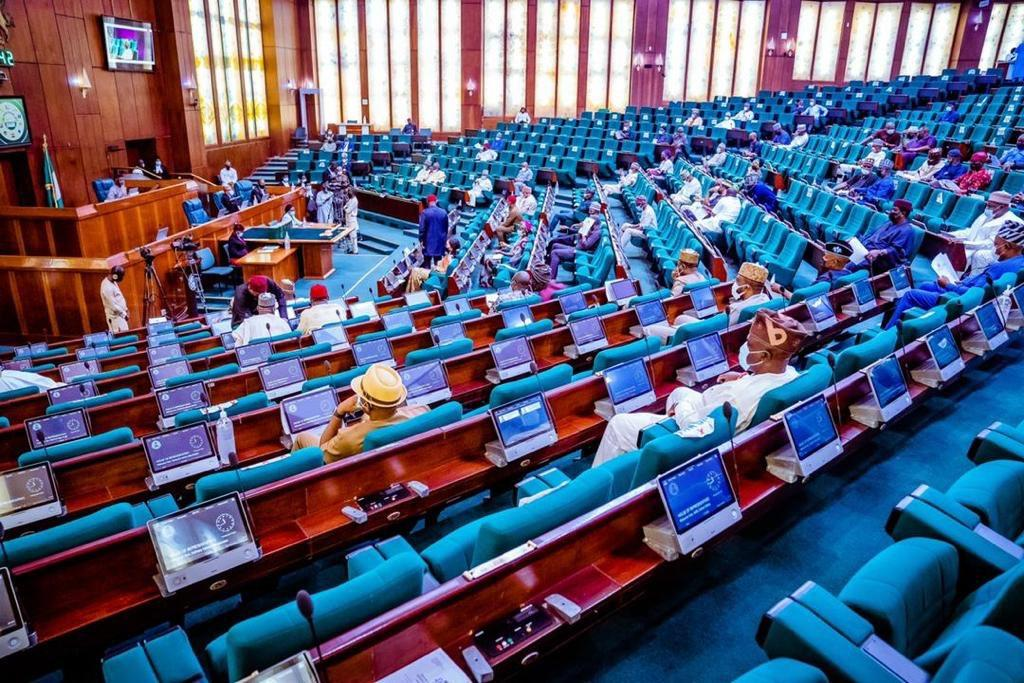
The House of Representatives has moved forward with a bill that would establish guidelines for paying judgment debts owed by the Federal Government and its agencies, passing the bill through its second reading.
Sponsored by Miriam Onuoha, representing the Onuimo/Okigwe/Isiala Mbano Federal Constituency of Imo State, the bill is titled “A Bill for an Act to Provide Guidelines for the Payment of Judgment Debts Owed by the Federal Government and its Agencies, and for Other Related Matters.”
In her presentation, Onuoha noted that Nigeria’s financial liabilities from judgment debts have increased over the years. She stressed that these payments have been made without consistent guidelines, proper documentation, or transparency, allowing agencies to settle these debts on a discretionary basis without regard for the order of judgments, public interest, or adherence to court orders.
“The current lack of a legal framework for managing these obligations has opened the door to negligence and misconduct,” Onuoha said. “The Judgment Debt (Payment Guidelines) Establishment Bill, 2023 is essential to address these issues. It provides a structured approach to managing the Federal Government’s judgment debt payments, ensuring accountability, compliance, and financial discipline.”
According to Onuoha, the bill aims to: Establish clear guidelines and procedures for the Federal Government and its agencies to settle judgment debts.
Discourage negligence and encourage professionalism within government agencies, holding officials accountable to avoid unnecessary litigation.
Promote transparency and accountability by requiring that judgment debts be included in the annual budget, subject to oversight by the National Assembly.
Onuoha clarified that the bill is not intended to repeal the Sheriff and Civil Processes Act but rather to complement it by adding specific guidelines for handling judgment debts owed by the Federal Government and its agencies. “This Bill is focused on ensuring that payments are managed transparently and with respect to established priorities without undermining the existing framework of the Sheriff and Civil Processes Act,” she added.
In support, Ademorin Kuye, representing Shomolu Federal Constituency in Lagos State, raised concerns about potential overlap with the Sheriff and Civil Processes Act, particularly concerning the personal accountability of government officials. He questioned, “If a government officer leaves office and another takes over, who bears responsibility for the debt?”
Ahmed Jaha of Borno State and Iduma Igariwey of Ebonyi State also urged support for the bill, suggesting that clarifications on ambiguous areas could be addressed during committee review or public hearings. “Let us allow the bill to proceed. Stakeholders will provide further clarifications in the public hearing,” Jaha encouraged.
Providing additional insights, Onuoha highlighted that the bill would hold public officials accountable and make the process of managing judgment debts more transparent. “Judgment debts have been shielded in secrecy. As a parliament, we have not been able to scrutinize these debts—how much is owed, what is due for payment, and so on. This bill will promote inclusivity and build public trust,” she said.
Following its adoption, the bill was referred to the House Committee on Justice for further legislative action.
Disclaimer
Comments expressed here do not reflect the opinions of Vanguard newspapers or any employee thereof.