
By Akanni Dorcas
Livestock farming in Nigeria is booming, and the opportunities are endless. With the growing demand for meat, eggs, and fish, now is the perfect time to dive into this industry.
Nigeria’s vast fertile land makes it an ideal place to rear animals, whether you’re looking for a side hustle or a full-time business. The best part is that it doesn’t take much to get started.
Here are five profitable livestock farming options and simple tips on how to rear them successfully.
Poultry Farming
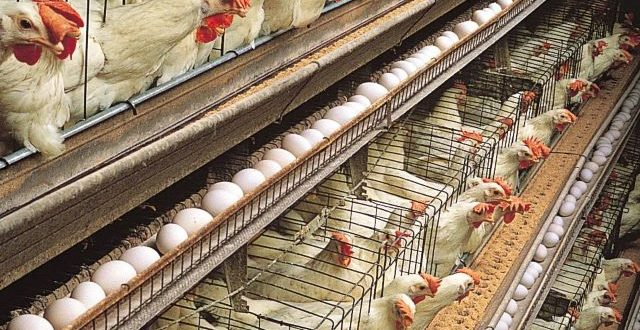
Poultry farming is one of the most popular and profitable livestock businesses in Nigeria. Chickens, turkeys, ducks, and guinea fowl are reared primarily for their meat and eggs.
Rearing
You have to ensure that birds have well-ventilated housing with space. Also, make sure to keep the area clean, dry, and secure from predators.
Provide nutrient-rich feed and always ensure they have access to clean water. Also, regularly vaccinate your birds and check for signs of common diseases like Newcastle disease. Choose broilers for meat production and layers for egg production.
Fish Farming (Aquaculture)
Fish farming is another thriving business in Nigeria, especially with the high demand for fish like catfish and tilapia.
How to rear fish:
The first step of rearing fish is to build or buy ponds (concrete, earthen, or plastic) with proper drainage and a steady water supply.
Start with healthy fingerlings from reliable suppliers and make sure to avoid overcrowding to ensure proper growth.
Also, feed your fish high-quality protein-rich fish feed 2-3 times daily. Keep the water clean and oxygenated. Do not forget to change the water regularly, especially if polluted.
Most catfish can be harvested after 4-6 months.
Snail Farming
Snail farming is often overlooked, but it’s highly profitable with minimal space and investment. Snails are rich in protein and low in fat, making them a favorite delicacy.
How to rear snails
You have to create a humid environment with moist soil, shade, and enclosures to mimic their natural habitat. Snails eat plants, vegetables, and calcium-rich foods to aid shell growth. You can feed them pawpaw leaves, cabbage, and fruits.
Snails reproduce during the rainy season, so ensure their environment stays humid. Keep their enclosure secure from pests like ants and rodents. Snails are ready for sale within 12-18 months.
Pig Farming
Pig farming, or piggery, is a highly lucrative business due to pigs’ fast growth and high reproduction rates. Pork is always in demand, both locally and internationally.
How to rear pigs
Pigs need well-ventilated pens with dry floors and proper drainage and you have to keep the pens clean to prevent diseases. Pigs can eat a variety of foods, including commercial pig feed, kitchen waste, and agricultural by-products.
Healthy sows (female pigs) can give birth to 12 piglets at a time and can reproduce twice a year.
Vaccinate against common pig diseases like swine fever and practice good sanitation. Pigs are market-ready within 5-7 months for pork or breeding.
Rabbit Farming
Rabbit farming is gaining popularity in Nigeria because of its low-cost setup and high reproduction rate. Rabbit meat is lean, high in protein, and low in fat.
How to rear rabbits
Build cages or hutches with proper ventilation and ensure they are protected from harsh weather. Rabbits mainly eat grasses, vegetables, and commercial rabbit feed. A fibre-rich diet is important for their digestion.
Female rabbits, or does, can give birth to 30-40 kits per year so you have to provide them with a separate space for kindling (giving birth).
Clean their cages regularly to prevent diseases like coccidiosis and keep the rabbits healthy. Rabbits are raised for meat, fur, and pets, making it a versatile farming venture.
Livestock farming is a highly rewarding business in Nigeria, whether on a small or large scale. From poultry and fish to piggery and snail farming, these ventures provide opportunities to earn income, meet the country’s food demand, and build a sustainable business.
If you follow the right rearing techniques and best practices, you can achieve great success in livestock farming.
Disclaimer
Comments expressed here do not reflect the opinions of Vanguard newspapers or any employee thereof.