
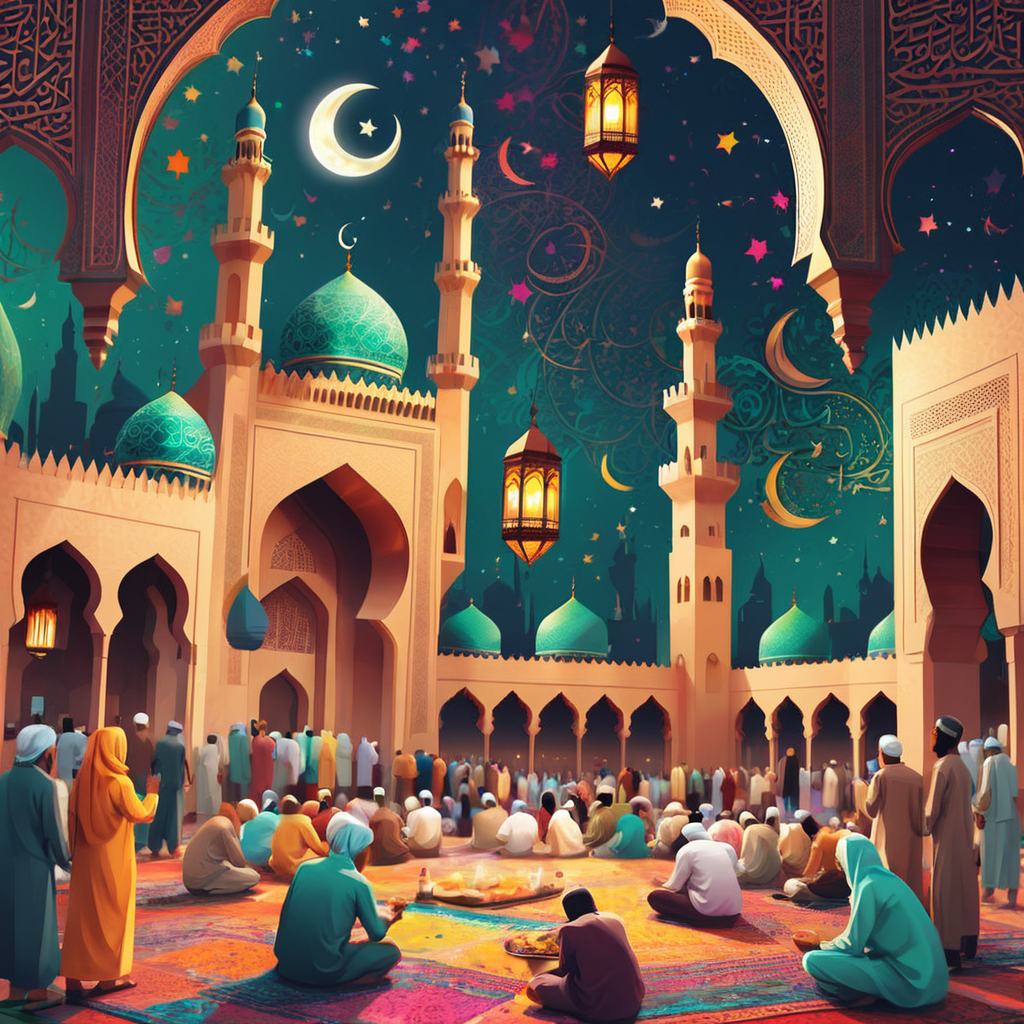
The last ten days of Ramadan hold a special significance in the hearts of Muslims around the world. This sacred period is filled with spiritual opportunities, intense devotion, and the pursuit of divine blessings.
As we approach the last ten days of this holiest month, it is crucial to understand the significance and practices associated with the final stretch of Ramadan.
Ramadan 15: Night Prayers in Ramadan (2)
Here are five essential things to know about the last ten days of Ramadan.
Significance of Laylat al-Qadr
The crowning jewel of the last ten days of Ramadan is Laylat al-Qadr (Night of Majesty), often referred to as the Night of Power or Decree. This blessed night, which falls on one of the odd-numbered nights in the last ten days, holds immense spiritual value.
Muslims believe that the Quran was revealed to Prophet Muhammad (peace be upon him) on this auspicious night.
The Quran describes Laylat al-Qadr as “better than a thousand months” (Quran 97:3), emphasizing its unparalleled significance.
Worship during this night is highly encouraged, with prayers, supplications, and recitation of the Quran believed to yield multiplied rewards.
Intensity of I’tikaf
I’tikaf, or seclusion in the mosque, is a spiritual practice observed by devout Muslims during the last ten days of Ramadan. It involves retreating to the mosque for a period of intense devotion and worship, focusing solely on seeking closeness to Allah.
I’tikaf allows individuals to detach from worldly distractions and immerse themselves in prayer, reflection, and Quranic recitation.
The Prophet Muhammad (peace be upon him) would engage in I’tikaf during the last ten days of Ramadan, setting a precedent for Muslims to follow in his footsteps. Participating in I’tikaf provides a unique opportunity for spiritual rejuvenation and connection with the divine.
Emphasis on night prayers
The nights of the last ten days of Ramadan are characterized by heightened spiritual activity, particularly through voluntary prayers known as Taraweeh.
These additional prayers, performed after the obligatory Isha prayer, hold great merit and reward. Muslims gather in mosques to engage in collective Taraweeh prayers, reciting portions of the Quran and seeking forgiveness from Allah.
The Prophet Muhammad (peace be upon him) encouraged the practice of Taraweeh, describing it as a means of attaining forgiveness for sins and drawing closer to Allah. Engaging in Taraweeh prayers during the last ten days of Ramadan allows believers to maximize their spiritual efforts and seek divine mercy.
Importance of charity, good deeds
Ramadan is a time of heightened compassion, generosity, and altruism, with the last ten days being no exception. Muslims are encouraged to increase their charitable acts and engage in various forms of philanthropy during this sacred period.
Giving charity, feeding the hungry, and supporting those in need are all highly meritorious deeds that earn Allah’s favor. The Prophet Muhammad (peace be upon him) was renowned for his generosity, especially during Ramadan, setting a precedent for Muslims to follow.
By actively practicing charity and good deeds in the last ten days of Ramadan, believers emulate the noble example of the Prophet and fulfill their moral and religious obligations.
Forgiveness and repentance
The last ten days of Ramadan offer a prime opportunity for introspection, repentance, and seeking forgiveness from Allah. Muslims are encouraged to engage in sincere repentance for their past transgressions and shortcomings, striving to purify their hearts and souls.
The Prophet Muhammad (peace be upon him) emphasized the importance of seeking forgiveness during Ramadan, describing it as a time of mercy, blessings, and salvation. Through heartfelt repentance and supplication, believers can attain spiritual purification and reconcile with their Creator.
The last ten days of Ramadan serve as a poignant reminder of the value of forgiveness and the opportunity for spiritual renewal.
Summary
As we enter the final stretch of Ramadan, it is essential to recognize the profound significance of the last ten days. From the blessings of Laylat al-Qadr to the intensity of I’tikaf, these days offer unparalleled opportunities for spiritual growth, reflection, and devotion.
By embracing the practices associated with the last ten days of Ramadan, Muslims can deepen their connection with Allah, seek forgiveness for their sins, and emerge spiritually enriched.
Let us seize this sacred time with reverence, gratitude, and a steadfast commitment to righteousness.
Disclaimer
Comments expressed here do not reflect the opinions of Vanguard newspapers or any employee thereof.