
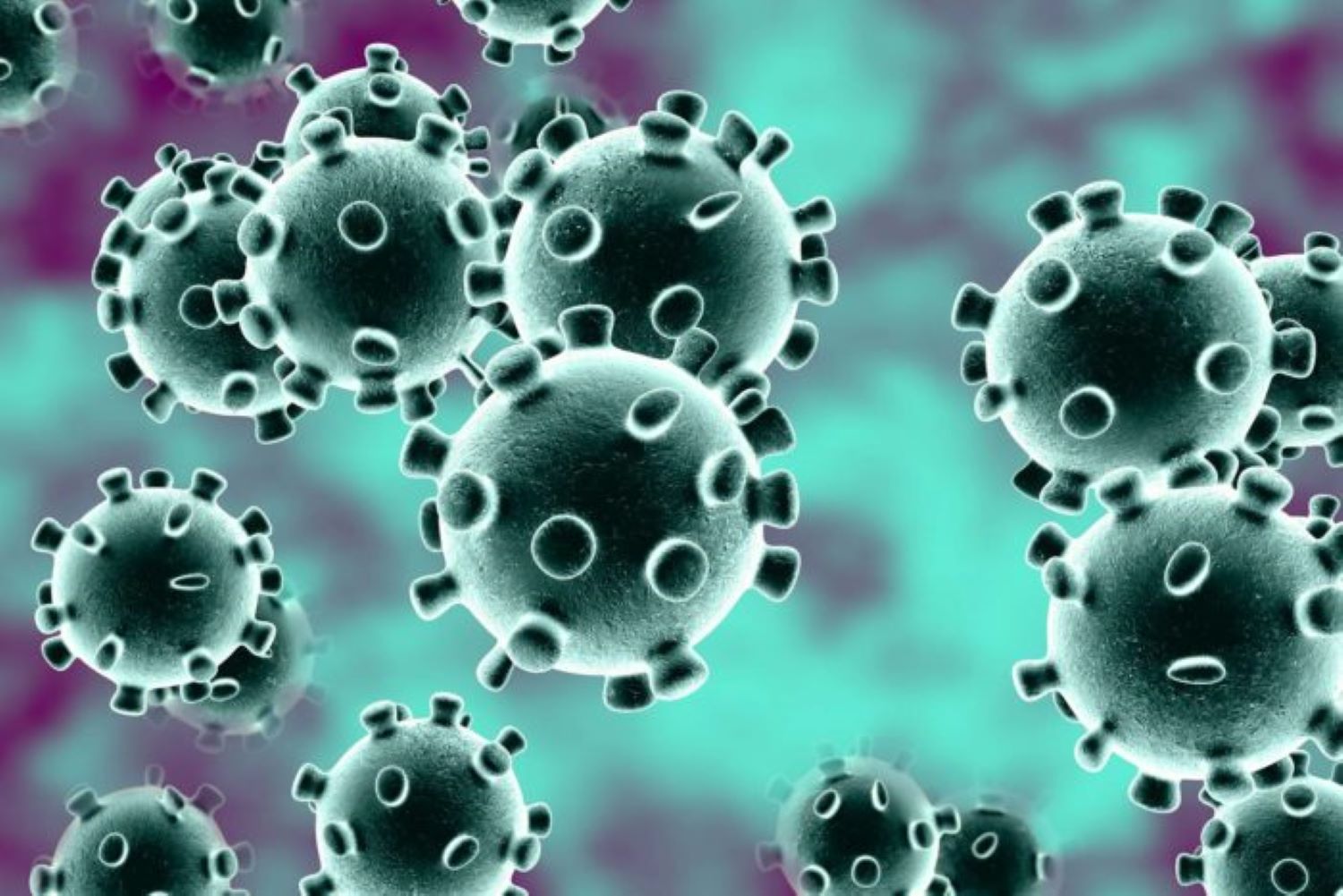
COVID-19, also called coronavirus disease, is the name of the disease caused by a newly-discovered coronavirus.
The virus and disease were first detected in Wuhan, China on December 31, 2019, and, as of the beginning of March 2020, have led to an outbreak in over 60 countries across the globe, including the US.
While the coronavirus disease is popularly referred to as just coronavirus, coronavirus actually refers to a large family of viruses, which can cause illnesses in humans and many animals.
Some of these illnesses are rare, but severe respiratory infections, including Middle East Respiratory Syndrome, MERS; Severe Acute Respiratory Syndrome, SARS, and, as most recently discovered, COVID-19.
ALSO READ: COVID-19 and social media
The christening
On February 11, 2020, the World Health Organisation, WHO, officially named this novel coronavirus COVID-19.
COVID is short for coronavirus disease. The number 19 refers to the fact that the disease was first detected in 2019, though the outbreak occurred in 2020.
The technical name of the virus that causes COVID-19 is severe acute respiratory syndrome coronavirus 2, abbreviated as SARS-CoV-2.
COVID-19 is genetically related to, but not the same as, the virus that led to the SARS outbreak in 2003. SARS is deadlier than COVID-19, but less infectious.
Coronaviruses contain RNA and are spherical. Under a microscope, the viruses appear to be surrounded by a spiky array thought to look like a corona, or crown-like shape, hence the name coronavirus.
The source of the new coronavirus is believed to be an animal. The virus spreads through droplets from the mouth and nose of a person with COVID-19 after coughing, sneezing, and exhaling.
Other people can then pick up the virus by breathing in these droplets or coming into contact with surfaces that have been contaminated with the droplets (such as by touching an object and then touching parts of the face).
This is why it’s important to frequently wash your hands—among other practices—to reduce the risk of spreading or getting the virus.
Symptoms
Common symptoms of COVID-19 are fever, tiredness, dry cough, and difficulty breathing.
Less common symptoms experienced include aches and pains, a runny nose, and diarrhea. Some people infected with COVID-19, however, don’t show symptoms or feel sick at all.
According to the WHO, most people (80%) recover from COVID-19.
However, COVID-19 can develop into a severe illness, especially in older people or people who already have medical conditions.
Both the WHO and US governments have declared public health emergencies due to COVID-19, and experts say an official declaration of a pandemic is likely.
COVD-19 has caused over 3,000 deaths and over 90,000 cases have been confirmed around the world.
The COVID-19 situation is fast-changing.
Again, for help and information, please visit the CDC (Centres for Disease Control and Prevention) and WHO (World Health Organisation).
SOURCE: Dictionary.com
Disclaimer
Comments expressed here do not reflect the opinions of Vanguard newspapers or any employee thereof.