
Countries sometimes change their names to reflect their history, culture, language, political identity or a new national direction.
While some changes involve a completely different name, others are adjustments to the way a country’s name is officially written or pronounced internationally.
The latest example is Nauru, which has moved to adopt Naoero as its official name.
Here are seven countries that have changed their names or adopted new official forms in recent years.
1. Nauru → Naoero
Nauru is the latest country to make a major change to its official name.
The Pacific island nation has adopted Naoero, its traditional name, replacing Nauru as the country’s official English-language name.
The move is intended to better reflect the country’s Indigenous language and cultural identity.
The change makes Nauru one of the most recent countries to alter its official national name.
2. Turkey → Türkiye
In 2022, the country internationally known as Turkey officially began using Türkiye at the United Nations.
The change followed a campaign by the Turkish government to promote the country’s name in its Turkish form.
The United Nations formally recognised the change after receiving a letter from the Turkish government.
The country is still commonly referred to as Turkey in everyday English, but Türkiye is its official international name.
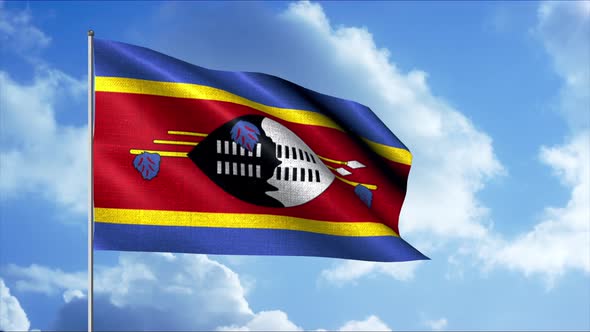
3. Swaziland → Eswatini
The southern African kingdom of Swaziland officially changed its name to Eswatini in 2018.
King Mswati III announced the change during celebrations marking the country’s 50th independence anniversary.
The monarch said the new name reflected the country’s traditional identity and helped eliminate confusion with Switzerland.
Eswatini means “land of the Swazi” in the Swazi language.
4. Macedonia → North Macedonia
The country formerly known simply as Macedonia officially became the Republic of North Macedonia in 2019.
The change followed the Prespa Agreement between North Macedonia and Greece.
The naming dispute had lasted for decades because Greece has a region called Macedonia.
The new name helped resolve the dispute and paved the way for North Macedonia’s accession to NATO.
5. Czech Republic → Czechia
The Czech Republic adopted Czechia as its short-form name in 2016.
The change did not replace the country’s formal name, which remains the Czech Republic.
Instead, Czechia became the shorter geographical and political name, similar to how “France” is used instead of “French Republic” in ordinary contexts.
6. Cape Verde → Cabo Verde
The West African island nation officially changed the way its name is used internationally from Cape Verde to Cabo Verde.
The government requested that the Portuguese name be used without translation.
The change reflects the country’s Portuguese heritage and its preference for its native name.
7. East Timor → Timor-Leste
East Timor, the English name commonly used for the country, became internationally known as Timor-Leste following its independence in 2002.
Timor-Leste is the country’s Portuguese name and is its official name.
The Southeast Asian nation restored its independence after a long period of Indonesian occupation and became an independent country in 2002.
Disclaimer
Comments expressed here do not reflect the opinions of Vanguard newspapers or any employee thereof.