
By Juliet Ebirim
For Foluke Oyeleye and Adebola Rayo Falade, 2026 Children’s Day offered an opportunity to focus attention on an issue they believe deserves greater urgency: the declining reading culture among Nigerian children.
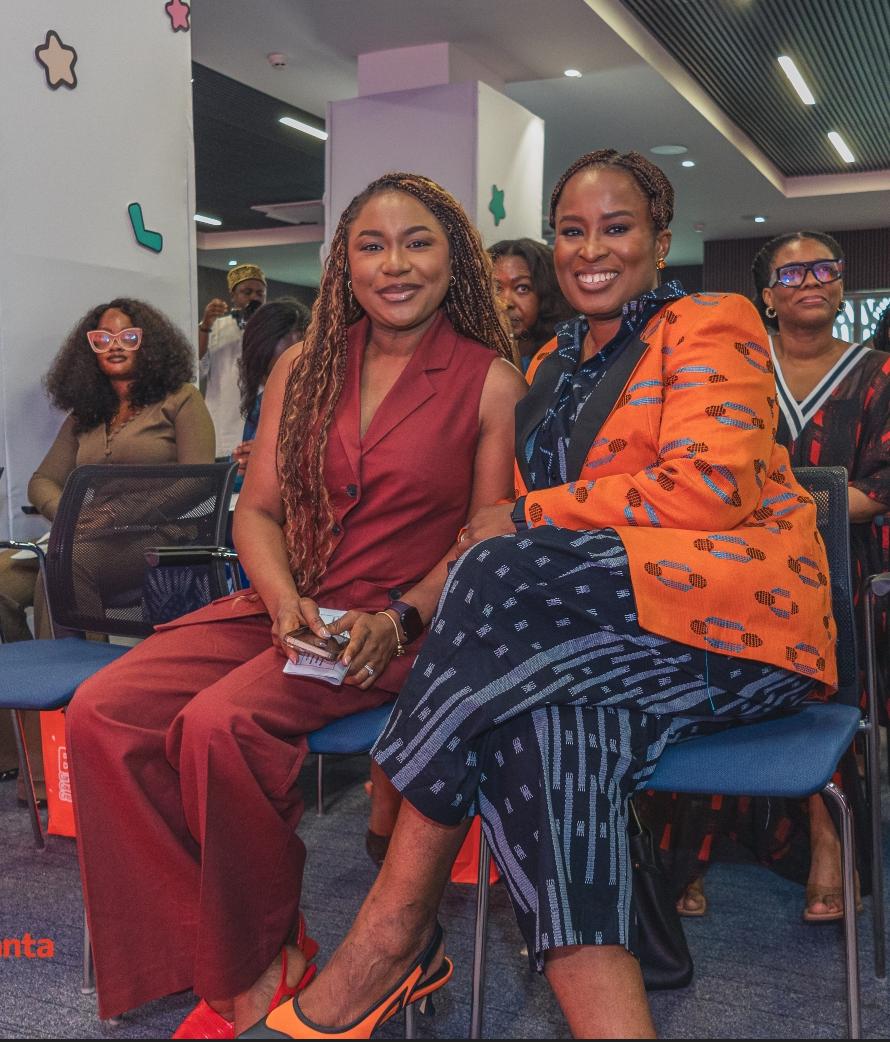
The co-founders of Karanta Kids Foundation on Thursday convened parents, teachers, authors and young readers in Lagos for conversations on storytelling, literacy and child development, examining why many children are losing interest in books and measures to reverse the trend.
Speaking on the motivation behind the foundation, Oyeleye said the initiative was born out of concerns about access to quality children’s literature, particularly for children from disadvantaged backgrounds.
“We noticed that no matter how good the books were, there was still a barrier of access and affordability for many Nigerian children,” she said.
According to her, many children are unable to engage with books regularly because of financial and structural limitations, creating gaps in literacy development from an early age.
The event, themed “Storytelling That Empowers the Nigerian Child,” featured discussions on how storytelling can shape identity, build confidence and encourage critical thinking.
Delivering a keynote address titled “Reading and the Future of the Nigerian Child,” Morenikeji Oloyede described the state of reading culture among children as troubling, arguing that reading is too often presented as an academic obligation rather than a source of enjoyment.
“Many children are not given the opportunity to experience books in a revealing, curious or joyful way, rather than in the demand to pass exams and get results, which leads to a huge distaste for reading altogether,” she said.
Oloyede noted that the problem extends beyond schools and reflects wider attitudes within homes and society.
“If a child is not being read to at home before they even step out to go to school, the gap is already there,” she said. “Many teachers also do not read to children with excitement or joy because they themselves may not have a strong reading culture.”
She further criticised an education system that often prioritises memorisation over understanding.
“Sometimes, even when you do not cram as a student, you are punished for it because teachers expect you to deliver answers exactly as you were given,” she added.
Co-founder, Falade also highlighted efforts to make children’s literature more accessible through both printed books and digital platforms. She explained that the foundation’s reading app features stories written and illustrated by African creatives and centres on characters and experiences familiar to African children.
“When children see characters who look like them doing excellent things, it builds confidence and identity. They begin to believe they can aspire to greatness too,” she said.
Beyond promoting reading, she said the foundation encourages creative expression through writing and illustration workshops designed to help children develop confidence in sharing their ideas.
Young author, Samuel Fayemi also used the platform to draw attention to bullying in schools while presenting his book.
“I wrote this book because I want to show the world that bullying is unacceptable,” he said, urging schools to identify the root causes of bullying and address them proactively.
Panellists at the event include Olubunmi Abiderin-Talabi, Olatundun Osanyin, Chioma Okonkwo, Kemi Oyenike, Chisom Aina, Oluwagunwa Adedeji and Lara Kayode. They emphasised the need for parents, teachers and other stakeholders to play a more active role in nurturing reading habits from an early age, arguing that a strong reading culture remains essential to raising thoughtful, creative and confident children.
Disclaimer
Comments expressed here do not reflect the opinions of Vanguard newspapers or any employee thereof.