
By Elizabeth Osayande
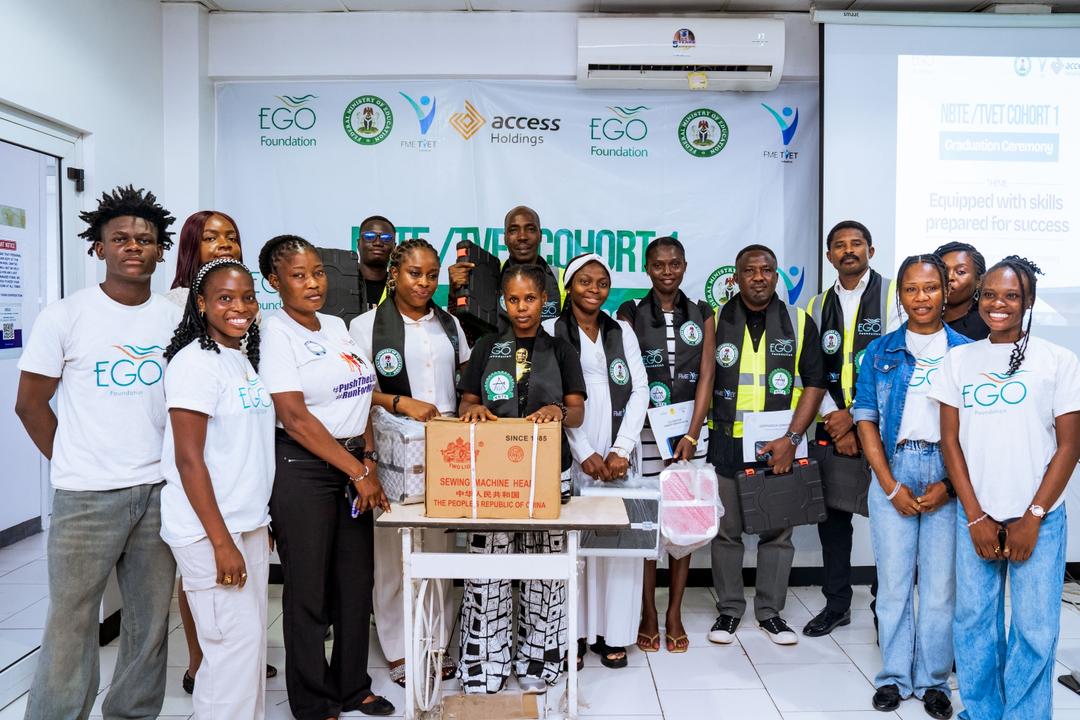
In its ongoing effort to strengthen vocational education and equip young Nigerians with practical, income-generating skills, the Federal Government of Nigeria, through the Federal Ministry of Education, has partnered with the EGO Foundation to implement a vocational skills development initiative targeting artisans and aspiring entrepreneurs.
The programme was designed to enhance the technical capacity of participants, improve their employability, and provide them with the skills, knowledge, and resources required to build sustainable livelihoods. Through intensive hands-on training, beneficiaries received practical instruction, business development support, and entrepreneurial training designed to prepare them for economic self-reliance and long-term success.
The training covered a diverse range of high-demand vocational skill areas, including Garment Making and Fashion Design, Beauty and Cosmetology, Solar Installation and Maintenance, Hospitality Management, Catering and Food Services, Entrepreneurship Development, and Business Management. These sectors were carefully selected to equip participants with market-relevant skills capable of generating sustainable income and creating employment opportunities within their communities.
A total of over 120 artisans successfully completed the training programme, benefiting from expert-led instruction and practical learning experiences tailored to their respective trades. The initiative combined technical skills acquisition with entrepreneurship and business management modules, enabling participants to strengthen existing enterprises or pursue new economic opportunities.
Recognising skills acquisition alone is often insufficient to drive meaningful economic transformation, Access Corporation provided critical support to the initiative by sponsoring essential work tools and starter kits for the beneficiaries. This support empowers participants to immediately apply their newly acquired skills, establish or expand their businesses, improve productivity, and generate sustainable income.
The initiative reflects the Federal Ministry of Education’s commitment to strengthening Technical and Vocational Education and Training (TVET) as a pathway to employment creation, entrepreneurship, and national development. It also demonstrates Access Corporation’s dedication to promoting economic inclusion, youth empowerment, and sustainable livelihoods through strategic investments in human capital development.
Speaking on the impact of the programme, the Executive Director of EGO Foundation, Toluwase Olaniyan, commended both the Federal Ministry of Education and Access Corporation for their commitment to empowering Nigerians through practical skills development.
“This initiative is a powerful example of what can be achieved when government, the private sector, and development organisations work together towards a common goal. We commend the Federal Ministry of Education for its leadership in advancing vocational education and Access Corporation for its investment in the future of these artisans through the provision of tools and starter kits.
However, this is not the finish line for our beneficiaries—it is only the beginning. The skills acquired during this programme, combined with the tools provided, represent an opportunity to build sustainable livelihoods, create jobs, and transform communities. We encourage every participant to take what they have learned forward, continue improving their craft, and become ambassadors of excellence and entrepreneurship in their respective fields.”
Stakeholders further emphasised the importance of practical skills acquisition in addressing unemployment, fostering entrepreneurship, and creating pathways to economic prosperity. Beneficiaries expressed appreciation for the opportunity, noting that both the training and the tools received would significantly improve their economic prospects and support their long-term growth.
The collaboration between the Federal Ministry of Education, EGO Foundation, and Access Corporation demonstrates the power of strategic public-private partnerships in advancing youth empowerment, skills development, and inclusive economic growth.
By combining government leadership, implementation expertise, and private-sector support, the initiative has created meaningful opportunities for artisans to enhance their productivity, increase their incomes, and contribute to national development.
Disclaimer
Comments expressed here do not reflect the opinions of Vanguard newspapers or any employee thereof.