
By Efe Onodjae
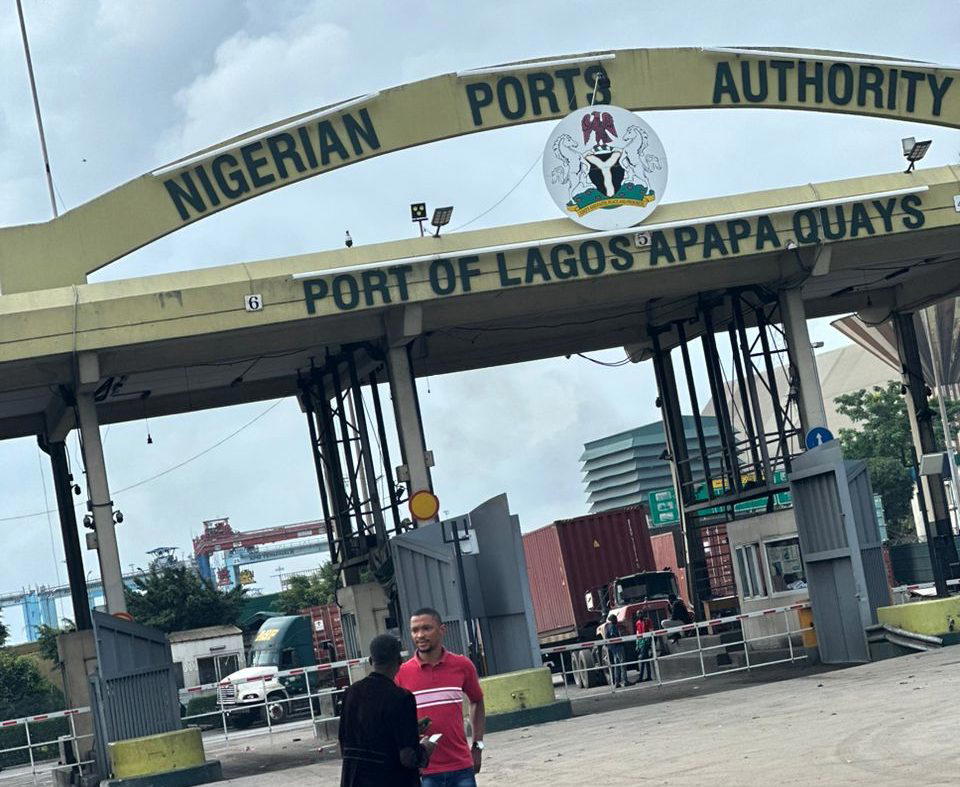
Apapa Chapter of the Association of Nigeria Licensed Customs Agents, ANLCA, has lamented poor stakeholder collaboration and policy inconsistencies, saying the challenges are responsible for the slow pace of operations at Apapa Port.
Speaking during an Exclusive engagement with Customs management and other stakeholders, the Executive Chairman of ANLCA Emeka Chukwumalu said despite ongoing reforms, there is still a noticeable disconnect between the Nigeria Customs Service and licensed clearing agents, a situation he warned could undermine efficiency at the nation’s premier port.
“As you know, Apapa is a global port. What is happening now shows a serious lack of improvement at both operational and psychological levels. Customs is operating on one side, while clearing agents are on another. There is a gap, and that gap must be closed. We need stronger collaboration and continuous engagement to ensure all players in the port system work in alignment.
“We need to retain and properly engage our members so that we can all be on the same page. Without that synergy, the system cannot function optimally,” he added.
On the ongoing transition to scanning technology, Chukwumalu reiterated that while the scanners are functional, their full benefits can only be realised through proper integration and user preparedness.
“The scanners are working, but we must prepare our members for the next phase, especially with the planned phase-out of physical examination. Training is critical to ensure that once a job is captured, it moves seamlessly without delays,” he said.
He explained that ANLCA has already intensified training programmes for its members but emphasised the need for broader stakeholder alignment to avoid operational setbacks.
Chukwumalu also expressed concern over conflicting directives from regulatory agencies, citing discrepancies between agencies as a major source of delay.
“You find situations where one agency is saying one thing and another is saying something different. These inconsistencies disrupt the flow of business and create confusion for operators,” he stated.
Highlighting the strategic importance of Apapa Port, he noted that the facility has historically served as a regional hub for cargo destined for neighbouring countries.
“Apapa is known for its strong network. Cargoes coming here are not just for Nigeria but also for places like Togo, Cotonou and Seme. That reputation was built on efficiency and high standards,” he said.
However, he warned that the port is gradually losing its competitive edge due to declining business activity.
“If you go to Tin Can now, you will see increased activity, while Apapa is experiencing a drop. We must work hard to reverse that trend and restore confidence,” he said.
Chukwumalu called for more frequent stakeholder engagements, noting that regular dialogue would help address operational challenges and harmonise processes.
“We need to have these engagements more often. It will help us resolve grey areas and improve understanding among all parties. Even if this meeting is coming late, it is better than not having it at all,” he added. He maintained that with improved collaboration, consistent policies, and sustained training, Apapa Port can regain its status as a leading hub for maritime trade in the region.
Disclaimer
Comments expressed here do not reflect the opinions of Vanguard newspapers or any employee thereof.