
By Ebunoluwa Sessou
The British Deputy High Commissioner in Lagos, Jonny Baxter, has reaffirmed the United Kingdom’s commitment to supporting press freedom and ethical journalism in Nigeria, stressing the need for accurate and evidence-based reporting in an era of rapid technological change.
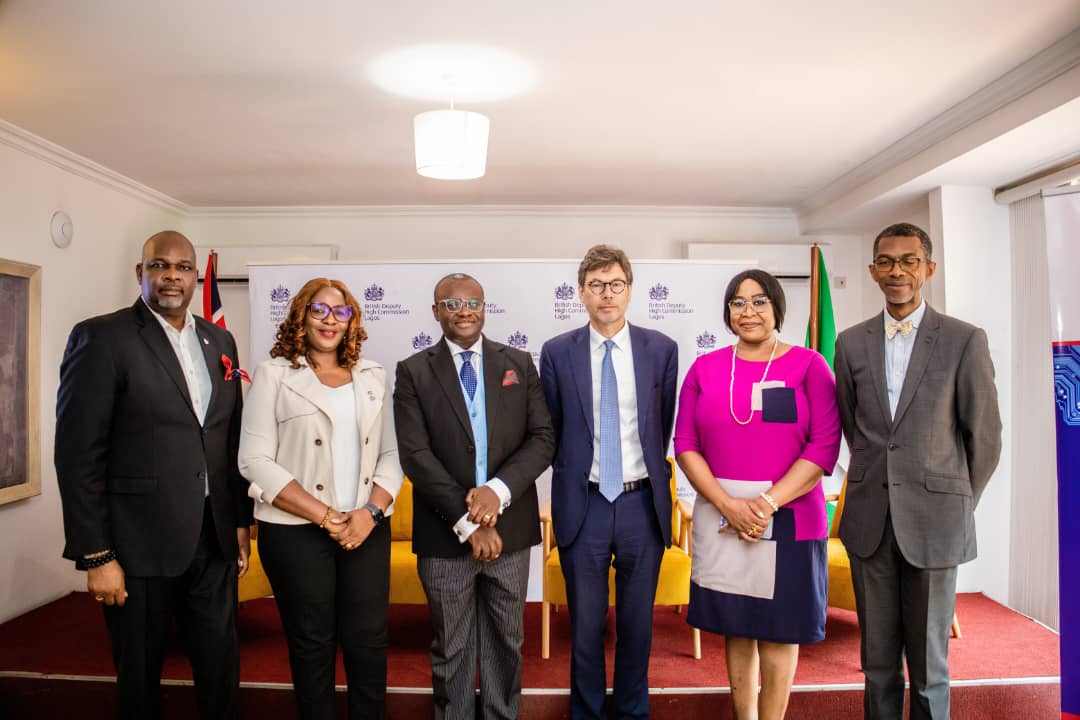
Baxter spoke at a three-day training for media professionals themed, “Advancing Media Freedom through Science and Technology Journalism,” held at Pan-Atlantic University.
Addressing journalists, Baxter said strong and independent journalism remain critical to democratic societies and informed public debate.
According to him, the training was designed to strengthen the capacity of journalists to collect data, challenge misinformation and communicate verified information responsibly while reporting science and technology.
“In an age of rapid technological change, accurate, ethical and evidence-based reporting has never been more essential,” he said.
He noted that the spread of unverified information, especially through digital platforms, has increased journalists’ responsibility to provide factual and balanced reports.
“We all know here in Lagos how unsubstantiated things travel so fast and make so much difference. Publications and broadcasts such as yours play a really important role in getting across evidence-based information,” Baxter stated.
The envoy also highlighted the long-standing partnership between the British High Commission and Nigerian media professionals through various training programmes held in Lagos, Abuja and the United Kingdom over the past two years.
He said the engagements reflected a shared belief in the importance of a free press and freedom of expression.
“The UK strongly supports freedom of expression and the free press, so we are proud to support this training focused on media freedom and the important role of science and technology reporting,” he added.
Baxter further stressed the importance of collaboration between the media and government institutions, noting that journalists play a major role in helping the public understand policies and hold leaders accountable.
Speaking earlier, the Dean of the School of Media and Communication at Pan-Atlantic University, Dr. Ikechukwu Obiaya, described journalism as a public service that must be guided by truth, fairness, accountability and ethical responsibility.
Obiaya said the rise of social media and digital platforms had created a “free-for-all” information environment where professional journalism was increasingly challenged by misinformation, ideological bias and unverified content.
“Good journalism is that which is accurate, fair, ethical and responsible,” he said.
He warned that media ownership and ideological interests now often influence how stories are reported, adding that journalists must remain committed to objectivity and truth.
According to him, the public relies on the media not only for information but also for guidance on issues affecting society.
“People turn to the media because they expect to be told the truth and be directed on how to approach it,” Obiaya stated.
Also speaking, one of the facilitators, Prof. Silk Ugwu Ogbu, said media freedom could not be separated from freedom of expression and access to information.
She explained that while freedom of expression is a fundamental right, it is not absolute, as laws in several countries place restrictions on issues such as incitement to violence and war propaganda.
Ogbu identified poor access to public information, pressure from political and commercial interests, and self-censorship as some of the major challenges facing journalists in Nigeria.
She urged media practitioners to strengthen professional independence and uphold their role as watchdogs in society.
“We are supposed to be watchdogs, but who is watching the watchdog?” she asked.
The training brought together journalists from different media organisations to discuss ethical reporting, press freedom, access to information and the impact of science and technology on journalism practice in Nigeria.
Disclaimer
Comments expressed here do not reflect the opinions of Vanguard newspapers or any employee thereof.