
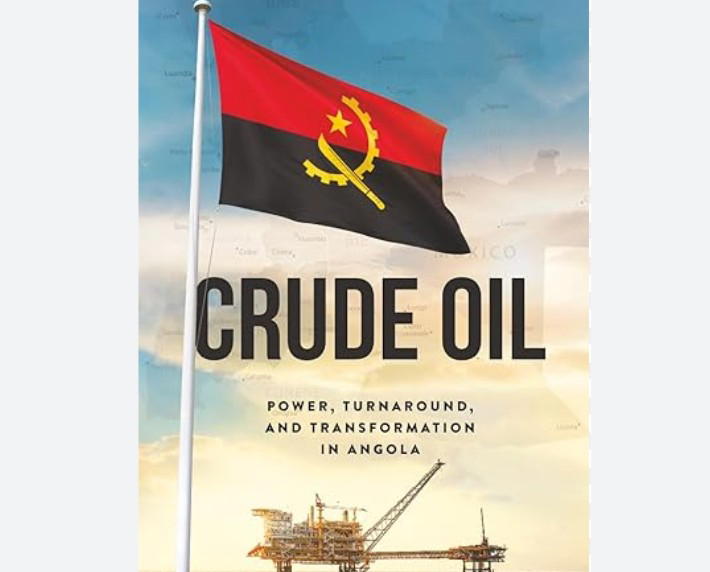
One of the most interesting parts of Crude Oil: Power, Turnaround and Transformation in Angola is not the story of oil reserves, production targets or international investors. It is the story of institutions — how Angola began to rebuild the machinery of its petroleum sector after years of overlapping mandates, weak transparency and excessive concentration of power.
This is where the book’s focus on Diamantino Azevedo, Paulino Jerónimo, Gaspar Martins, Sonangol and ANPG becomes central. NJ Ayuk’s argument is that Angola’s turnaround did not happen because the country suddenly discovered the importance of oil. Angola had always known oil was important. The real change came from restructuring the institutions that manage the sector.

A turnaround built on institutional discipline
The book presents Angola’s oil-sector reform not as a miracle, but as the outcome of deliberate institutional correction. For years, the country’s petroleum governance system was burdened by overlapping roles, weak accountability and excessive dependence on one powerful national oil company.
Sonangol was not only a commercial operator; it also carried regulatory and concessionaire responsibilities. That arrangement made the company central to Angola’s oil economy, but it also created conflicts of interest and weakened investor confidence.
The reform project therefore began with a simple but difficult question: how do you make Angola’s petroleum sector credible again?
Diamantino Azevedo and the politics of reform
Ayuk presents Diamantino Azevedo, Angola’s Minister of Mineral Resources, Petroleum and Gas, as one of the key architects of that transformation. He is portrayed not merely as a political appointee, but as a technocratic reformer who understood that Angola’s oil sector needed clarity, credibility and operational discipline.
The chapter dedicated to him, “Diamantino Azevedo, the Man Behind the Reforms,” is one of the book’s most important sections. It positions Azevedo as a central figure in the reordering of Angola’s petroleum governance, covering his early influences, education, ministerial role, structural reforms, sector challenges, investment push, governance reforms and operational improvements.
Through Azevedo, the book makes an important point: reform is not only about changing laws. It also requires political will, administrative competence and the ability to persuade investors that the rules of the game have changed.
From Sonangol’s dominance to clearer mandates
The most consequential reform described in the book is the separation of roles previously concentrated around Sonangol. Under Angola’s older petroleum structure, Sonangol functioned as operator, concessionaire and a central instrument of state oil policy.
That made the company powerful, but it also made the sector structurally conflicted.
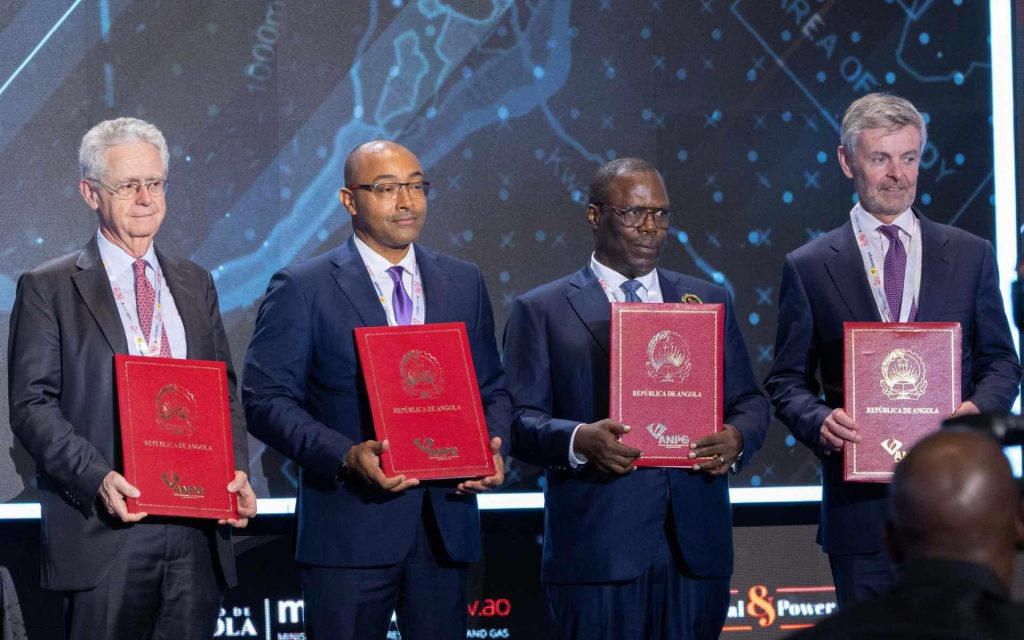
Under the new reform architecture, Sonangol was refocused on its core commercial and operational function, while the National Agency for Petroleum, Gas and Biofuels, known as ANPG, took over the regulatory and concessionaire role.
This reform may sound technical, but it is politically and economically significant. In petroleum governance, role clarity is everything. Investors want to know who regulates, who awards blocks, who operates assets, who collects revenue and who is accountable for performance. When those functions are blurred, confidence weakens. When they are separated, the system becomes easier to trust.
ANPG and the credibility reset
That is why the book’s discussion of ANPG matters. The creation of ANPG in 2019 is presented as a turning point in Angola’s petroleum governance. It moved regulatory oversight away from Sonangol and helped strengthen transparency in licensing.
In the book’s telling, this was not merely administrative reform. It was a credibility reset.
Paulino Jerónimo’s relevance fits into this institutional story. As ANPG’s leader, he represents the regulatory face of the new Angola: a sector where the agency responsible for concessions is separate from the national oil company that operates commercially.
That separation makes Angola more legible to investors and more comparable with reforming petroleum jurisdictions elsewhere.
Gaspar Martins and the reinvention of Sonangol
Gaspar Martins’ role at Sonangol is equally important. The book’s later sections show Sonangol’s transformation from an overextended institution into a more focused energy company.
Martins’ comments on reform are especially useful because they frame restructuring as both institutional and cultural. The book highlights lessons from Sonangol’s reform process: separating concessionaire and operator roles, transforming from the inside out, diversifying into oil, gas, renewables and critical minerals, attracting private capital through transparency, and honouring the past without being trapped by it.
That passage gives the book one of its strongest management lessons. Reform is not just about changing organograms. It is about changing incentives, behaviour and institutional culture.
A national oil company cannot modernise simply by announcing reform. It must reduce opacity, improve technical competence, rebuild trust, attract capital and convince its own people that the new direction is worth following.
Local content beyond slogans
The book also treats local content as part of this institutional reset. Azevedo’s reforms are linked to efforts to simplify visa processes, reduce intermediaries and create systems that make it easier to ensure Angolans fill corporate positions.
This is important because it moves local content away from slogan and toward execution. In many African oil economies, local content often remains trapped in political language. It is invoked frequently but implemented unevenly.
In Angola’s case, as presented by Ayuk, local content becomes part of a broader governance question: can the oil sector create national capacity, not merely national revenue?
The African lesson in Angola’s reform story
The strongest review argument here is that Crude Oil should be read as a book about institutional discipline. Angola’s petroleum comeback is not presented as luck or natural-resource fortune. It is presented as the result of deliberate changes: separating roles, improving licensing, refocusing Sonangol, empowering ANPG, attracting investment and building a more predictable operating environment.
There is a lesson here for Nigeria and other African oil producers.
The issue is not whether national oil companies should exist. The issue is whether they are structured to compete, partner, operate transparently and support national development without becoming political clearing houses.
Angola’s experience, as presented in this book, suggests that national oil companies can still matter deeply — but only when they are disciplined by clearer mandates and stronger governance.
Why this part of the book matters
This is why the book’s reform chapters are among its most valuable. They turn Angola from a simple oil story into a governance case study.
Azevedo, Jerónimo and Martins are important not only because of their titles, but because they represent different pillars of the same project: political direction, regulatory credibility and corporate transformation.
In that sense, Crude Oil is not just about Angola’s petroleum turnaround. It is about the painstaking institutional work required to make a resource economy believable again.
Disclaimer
Comments expressed here do not reflect the opinions of Vanguard newspapers or any employee thereof.