
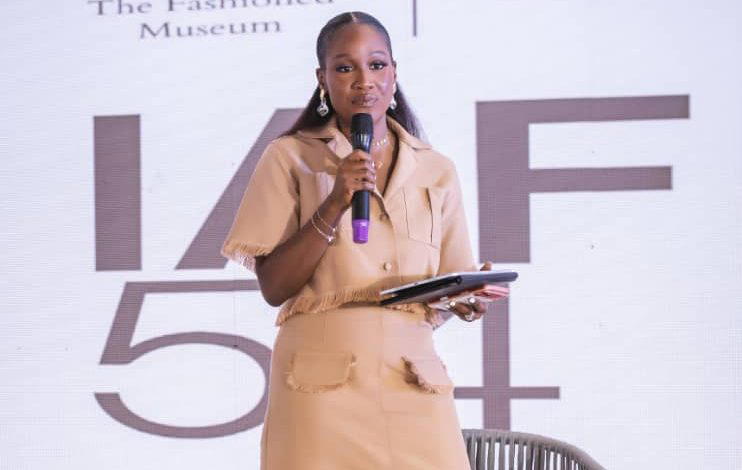
… inside Africa Fashion 54 (IAF 54) Showcases the Rich Textile Heritage of 54 African Countries
By Esther Onyegbula
African fashion, culture, and identity took centre stage at a groundbreaking textile and fashion exhibition ‘Inside Africa Fashion 54, (IAF 54), A Textile and Fashion Exhibition Across 54 African Countries” held from May 11–13, 2026, at the Ecobank Pan African Centre (EPAC) Lagos.

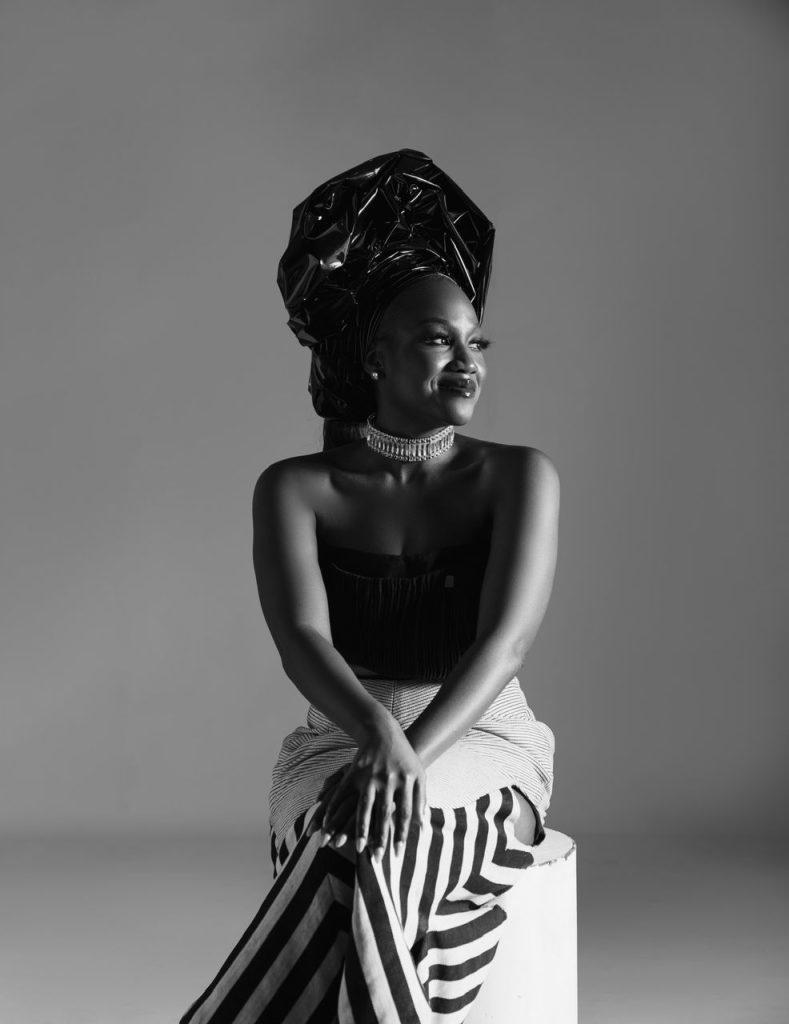
The three-day exhibition explored the cultural, historical, and creative tapestry of all 54 African countries through curated installations, indigenous textiles, archival storytelling, symposiums, designer spotlights, and conversations centred on African identity through fashion.
Founded by cultural archivist, fashion storyteller and Founder of the Fashioned Museum Tejumola Maurice-Diya, IAF 54 was created to bridge the gap between documentation and experience while preserving Africa’s rich fashion heritage from an African perspective.
“At a time when African fashion is gaining global recognition, it is important that Africans document and tell their own stories,” Maurice-Diya said. “This project exists to preserve our heritage, celebrate our creativity, and help the world understand Africa through fashion, textiles, craftsmanship, and culture.”
The exhibition welcomed students from secondary schools across Lagos, offering them a rare opportunity to learn and experience African textiles physically beyond social media and digital imagery. From Aso Oke and Adire in Nigeria to Kente from Ghana, Ndop from Cameroon, and Akwete textiles from Eastern Nigeria, the showcase highlighted the diversity, artistry, and history woven into African fabrics.
According to Maurice-Diya, one of the key goals of IAF 54 is to encourage young Africans to reconnect with their identity and cultural heritage through fashion.
“We want young people to ask themselves important questions about identity, heritage, and creativity,” she explained. “It is one thing to see textiles online, but it is another thing entirely to touch them, feel them, and understand the stories behind them.”
The symposium sessions featured conversations around sustainability, indigenous fashion, entrepreneurship, and cultural identity, with speakers and creatives sharing insights on building African fashion businesses rooted in heritage. Among the notable voices featured was Nigerian rapper, actor, and creative entrepreneur Folarin Falana, iconic fashion designer Lisa Folawiyo, Idris Aregbe, Nigerian rapper and actor Folarin Falana, spoken word artist Ivy Quake, and other creatives and industry leaders who explored conversations around identity, sustainability, creativity, and the future of African fashion.
Speaking on the inspiration behind the project, Maurice-Diya explained that the initiative stemmed from a desire to create a lasting archive of African fashion history.
“For almost two years, The Fashioned Museum has been documenting African fashion country by country through research and storytelling,” she said. “IAF 54 became the physical representation of that documentation because Africa’s stories deserve to be seen, experienced, and preserved.”
She also highlighted the importance of preserving indigenous textiles amid growing global interest in African fashion.
“If we do not document our heritage, someone else may one day attempt to claim ownership of these textiles,” she noted. “Documentation removes doubt and ensures future generations understand the origins and significance of African fabrics.”
Throughout the exhibition, visitors explored the evolution of African textiles and the craftsmanship behind them.
The exhibition also shed light on the increasing appreciation for indigenous textiles among younger Africans. According to Maurice-Diya, many young people are embracing fabrics like Aso Oke, Adire, Kente, Raffia, Akwete, and Ndop as symbols of creativity, pride, and cultural identity.
Despite logistical challenges involved in documenting textiles across 54 African countries — including shipping difficulties, trade limitations, and payment barriers — Maurice-Diya described the journey as deeply rewarding and necessary for the future of African fashion preservation.
Beyond the exhibition, The Fashioned Museum continues its mission through educational initiatives, podcasts, exhibitions, and its “Bridging the Gap” platform, which connects emerging creatives with established voices in the fashion industry.
As IAF 54 continues to grow, Maurice-Diya hopes the initiative will inspire a stronger culture of archiving and preserving African creativity for generations to come.
Disclaimer
Comments expressed here do not reflect the opinions of Vanguard newspapers or any employee thereof.