
By Adeola Badru
Stakeholders at the maiden edition of Itansan ArtFest 2026 in Ibadan, have called for renewed investment in cultural education and awareness as a strategic pathway to preserving Nigeria’s heritage, indigenous values, and national identity.
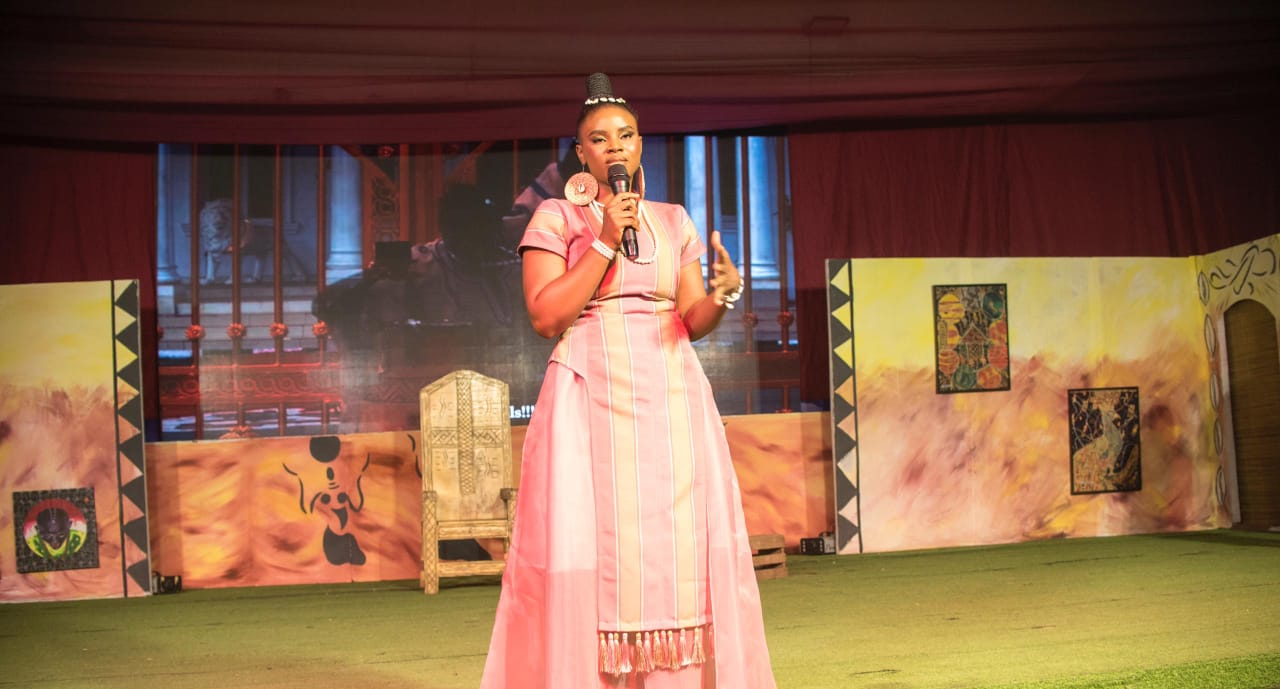
The festival, held at the Adeline Hall of Lead City University, Ibadan, attracted notable figures in the arts and culture sector, alongside emerging creatives, curators, and cultural enthusiasts, in a vibrant celebration of African tradition, creativity, and heritage.
With the theme, “Beacon of the Ancestors,” Itansan ArtFest 2026 featured cultural exhibitions, theatrical performances, fashion showcases, book presentations, stage plays, trade exhibitions, and workshops designed to reconnect young Nigerians with their cultural roots and identity.
Speaking at the event, the convener, Miss Adekunle Elizabeth Adewunmi, popularly known as Adewunmi Itansan, described the initiative as a platform committed to preserving and promoting African cultural identity through creative expression.
According to her, culture must not merely be inherited in silence, but consciously preserved, interpreted, and intentionally transmitted to future generations.
“The word Itansan translates to ‘Rays of Light,’ and for us, it represents clarity, illumination, and the responsibility we all share to ensure that our stories, traditions, languages, art forms, and indigenous knowledge systems do not fade into obscurity,” she said.
Adewunmi expressed concern over the growing disconnect between young Nigerians and their cultural heritage in an era increasingly shaped by globalisation and digital influence.
“We are seeing a generation that knows global trends but struggles to understand local identity. Culture is gradually being reduced to aesthetics without understanding the depth, history, and values behind it,” she stated.
She explained that the festival was conceived to bridge the gap between modernity and cultural consciousness, ensuring heritage remains relevant, engaging, and dynamic.
“It was born from the desire to bridge that gap. We wanted to create a platform where culture is not presented as outdated, but as alive, expressive, relevant, and evolving,” she added.
Highlighting key initiatives, she noted that the Itansan Young Creators Challenge was introduced to encourage youths to explore cultural identity through writing, visual arts, and performance.
She also spoke on the launch of the book “Emissaries of the Gods (Iko Orisa),” describing it as a literary work designed to introduce children and teenagers to African spirituality and indigenous wisdom.
“This is a book created for children and teenagers. It highlights our deities as powerful figures capable of transferring wisdom and strength to younger generations in fascinating ways,” she explained.
Adewunmi further stressed that culture must not only be celebrated, but also used as a tool for education, empowerment, economic growth, and national unity.
“Heritage can be lost accidentally if it is not transferred intentionally,” she warned.
She commended the Oyo State Ministry of Culture and Tourism, partners, sponsors, volunteers, and collaborators for their support.
Among dignitaries who delivered goodwill messages at the event were the Osun State Commissioner for Culture and Tourism, Ojo Abiodun; Oyo State Commissioner for Culture and Tourism, Wasiu Olatunbosun; Olori Rashidat Olayinka Ladoja; Mogaji Abiodun Adeyemi; renowned artist and curator, Chief Tunde Odunlade; and Prince Adekunle Alonge (Awokose Omoluabi Oodua).
Stakeholders unanimously emphasised the need for sustained cultural education to preserve indigenous values, strengthen national identity, and instil pride in Nigeria’s heritage among younger generations.
The festival concluded with colourful cultural performances, theatrical displays, fashion parades, and artistic exhibitions celebrating the richness of African storytelling and traditions.
Disclaimer
Comments expressed here do not reflect the opinions of Vanguard newspapers or any employee thereof.