
By Onyeka Ezike
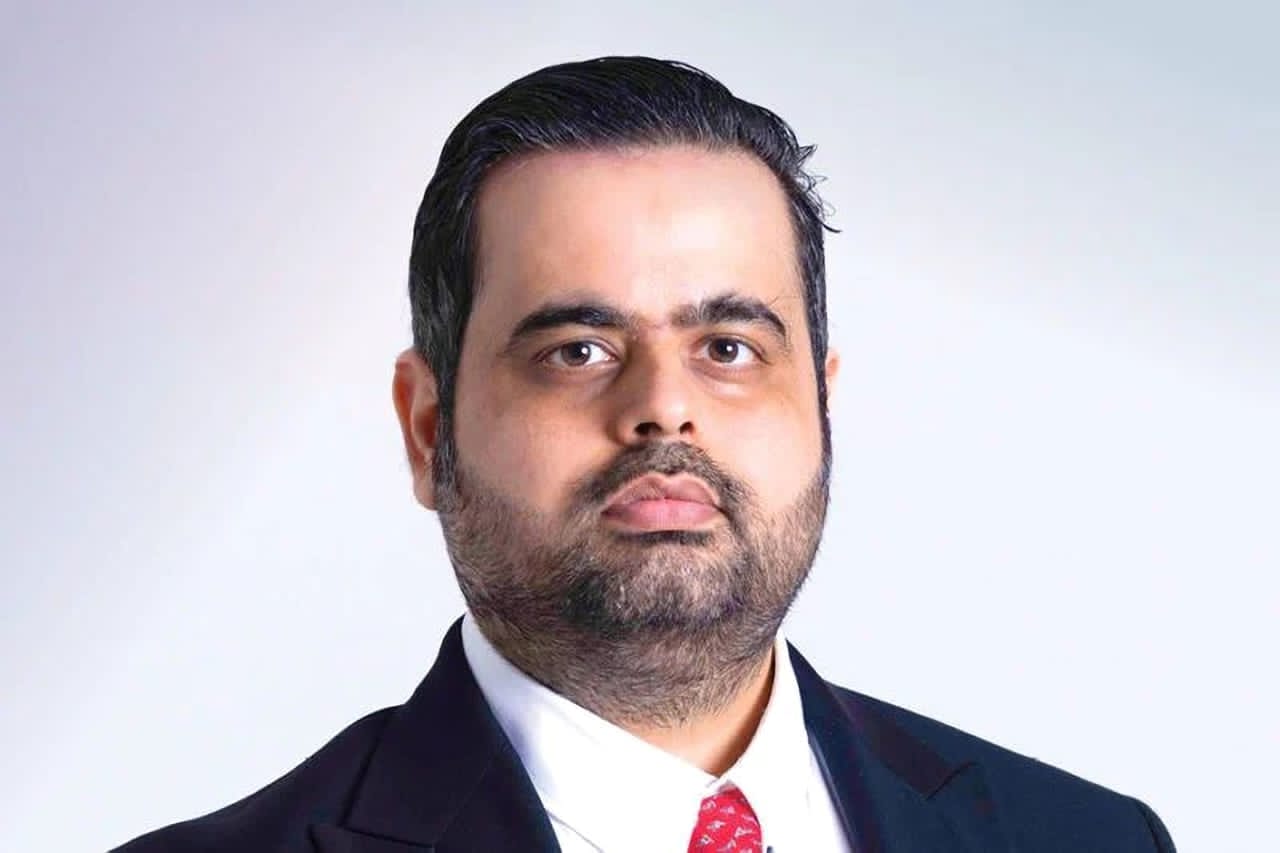
As Nigeria undergoes one of its most ambitious economic transformations in decades, global investors are beginning to reassess what was once viewed as a volatile frontier market. Among those closely tracking this shift is Prateek Suri, who believes the country is entering a defining phase that could position it as Africa’s most compelling investment destination over the next decade.
Recent structural reforms driven by Nigeria’s leadership—from fuel subsidy removal to foreign exchange liberalisation—have introduced short-term pressures but are widely seen as necessary steps toward restoring macroeconomic stability. These changes are gradually rebuilding investor confidence and signalling a more disciplined economic framework.
For Suri, who is the richest Indian in Africa and the entrepreneur behind Africa’s seventh unicorn, the significance of these reforms goes beyond immediate economic indicators.
“Nigeria today is not just a market—it is a transition economy moving from volatility to structure,” he says.
This transition is reshaping the investment narrative. With a population exceeding 200 million, rapid urbanisation, and rising consumer demand, Nigeria remains one of the most dynamic growth markets on the continent. What differentiates the current phase, according to Suri, is the alignment between policy direction and long-term capital.
Infrastructure remains central to this opportunity. Decades of underinvestment in power, logistics, and urban development have created inefficiencies—but also opened the door for private capital. In Lagos, efforts to decentralise electricity markets are already signalling a shift away from dependence on the national grid, creating new entry points for investors.
“Where there is inefficiency, there is opportunity,” Suri notes. “Nigeria is one of the few markets where infrastructure investment can deliver both scale and impact simultaneously.”
Public-private partnerships are increasingly being used to unlock stalled projects, particularly in energy and transport, enabling long-term institutional capital to participate in nation-building assets.
Beyond infrastructure, Nigeria’s startup ecosystem is emerging as a major growth engine. The country has become a leading hub for fintech, logistics, and digital platforms, attracting global venture capital. For Suri, Nigeria holds personal significance in this regard. It was one of the key markets during Maser’s expansion across Africa, contributing to the scaling of its consumer electronics business, which later reached a valuation of nearly $5 billion.
“Nigeria is where you truly understand scale in Africa,” he says. “If a business works here, it can work across the continent.”
He adds that Nigerian startups are focused less on valuation hype and more on solving real problems at scale—an approach that continues to draw serious global investors.
At the same time, Nigeria’s dependence on oil is being reassessed. Global energy volatility has accelerated efforts toward diversification, with increasing focus on refining, renewables, and distributed energy systems.
Despite these positive signals, challenges remain, including security concerns and currency fluctuations. However, Suri views these as part of the broader risk-reward equation inherent in frontier markets.
“The biggest mistake investors make in Africa is thinking short term,” he says. “Nigeria rewards those who build, not those who trade.”
As global capital searches for the next frontier, Nigeria’s evolving economic story suggests its moment is no longer distant—but already unfolding.
Disclaimer
Comments expressed here do not reflect the opinions of Vanguard newspapers or any employee thereof.