
By Adegboyega Adeleye
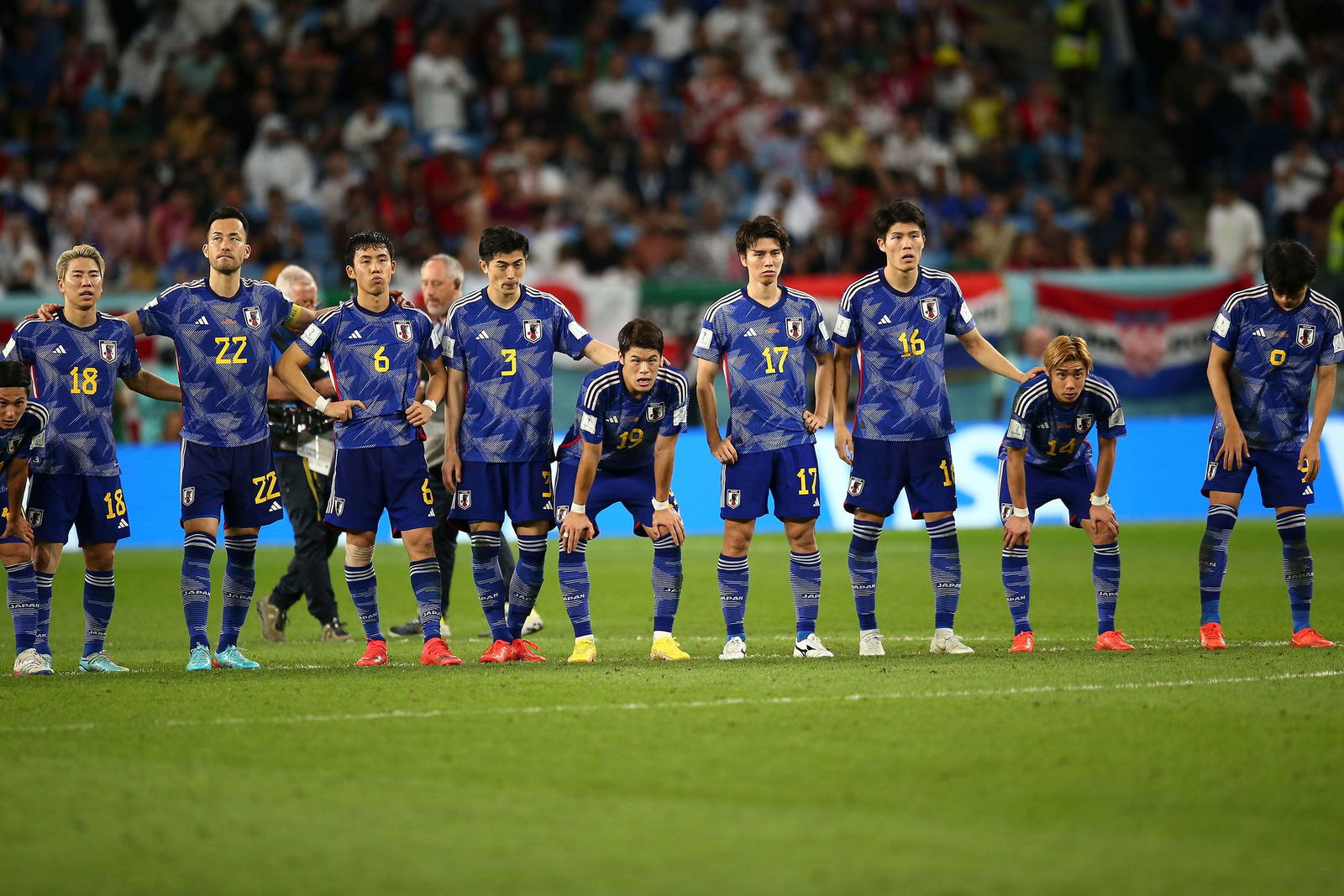
Japan arrive at the 2026 FIFA World Cup with a massive global respect steadily built and gained over the last three decades.
They have transformed themselves from being regarded as outsiders on the international stage into one of Asia’s most consistent and tactically advanced football nations.
With players such as Kaoru Mitoma, Takefusa Kubo, and Wataru Endo, Takehiro Tomiyasu, Takumi Minamino, and many more, the East Asian nation’s rise has been driven by elite player development, technical discipline and the growing influence of their players across European top leagues.
Japan have never advanced beyond the Round of 16 at a FIFA World Cup. Now, with arguably one of the most talented generations in their history, they head to North America determined to finally break that ceiling and establish themselves as genuine contenders on football’s biggest stage. 2026 might actually be the year when the sun shines for football lovers in the Land of the Rising Sun.
Japan’s World Cup 2026 Group stage schedule
Group F: Netherlands, Japan, Sweden, Tunisia.
14 June: Netherlands v Japan – Dallas Stadium
21 June: Tunisia v Japan – Monterrey Stadium
26 June: Japan v Sweden – Dallas Stadium
Qualification path
Japan became one of the earliest nations to secure qualification for the 2026 FIFA World Cup, once again asserting themselves as one of Asia’s dominant football powers. The Samurai Blue navigated the qualifiers with composure, reinforcing their reputation as one of the most reliable teams on the continent.
Previous World Cup appearances
1998, 2002, 2006, 2010, 2014, 2018, 2022, 2026
Best finish in the World Cup
Round of 16 (2002, 2010, 2018, 2022)
Head coach

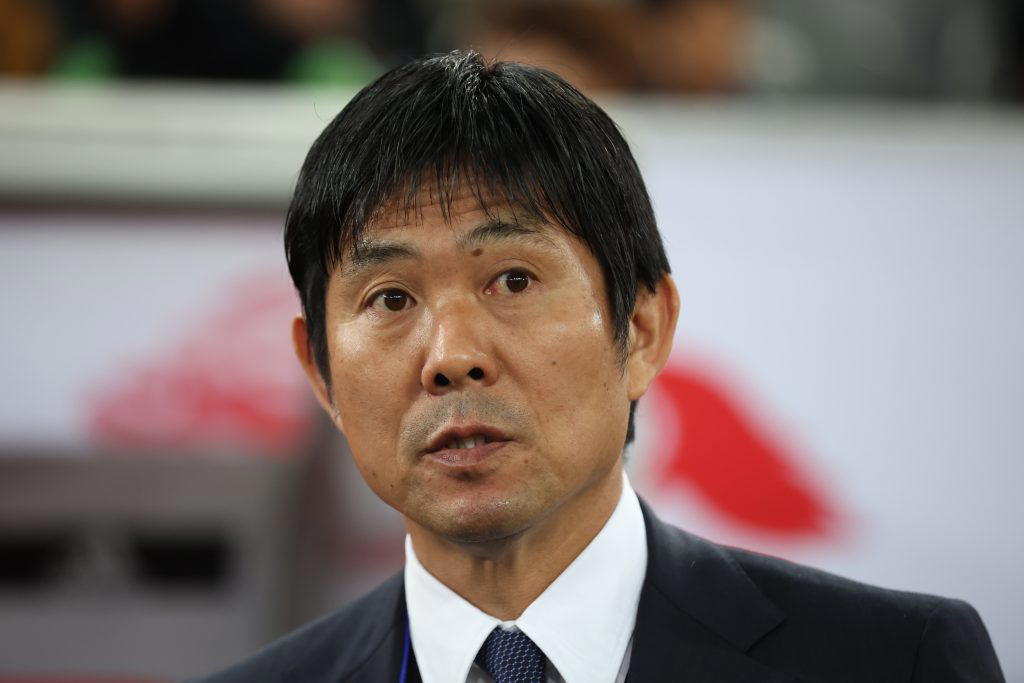
Hajime Moriyasu is tasked with leading Japan to the World Cup. After guiding Japan through memorable campaigns in 2018 and 2022, including famous victories over Germany and Spain in 2022, Moriyasu has built a side capable of competing technically and mentally against elite opposition.
His emphasis on structure, pressing and tactical adaptability has elevated Japan beyond its traditional underdog status.
Japan’s World Cup history
Best World Cup: Round of 16 (2002, 2010, 2018, 2022)
Last World Cup: 2022 (Round of 16)
First World Cup: 1998 (Group stage)
World Cup appearances: 8 (including 2026)
Current run of successive qualifications: Eight
Overall World Cup record: One of Asia’s strongest modern tournament records
Key players at the World Cup
Unfortunately, Japan will be without their key stars at the 2026 World Cup, Kaoru Mitoma and Takumi Minamino, due to injury. Other players will have to step up to deliver a great tournament for fans in the Land of the Rising Sun.
Wataru Endo

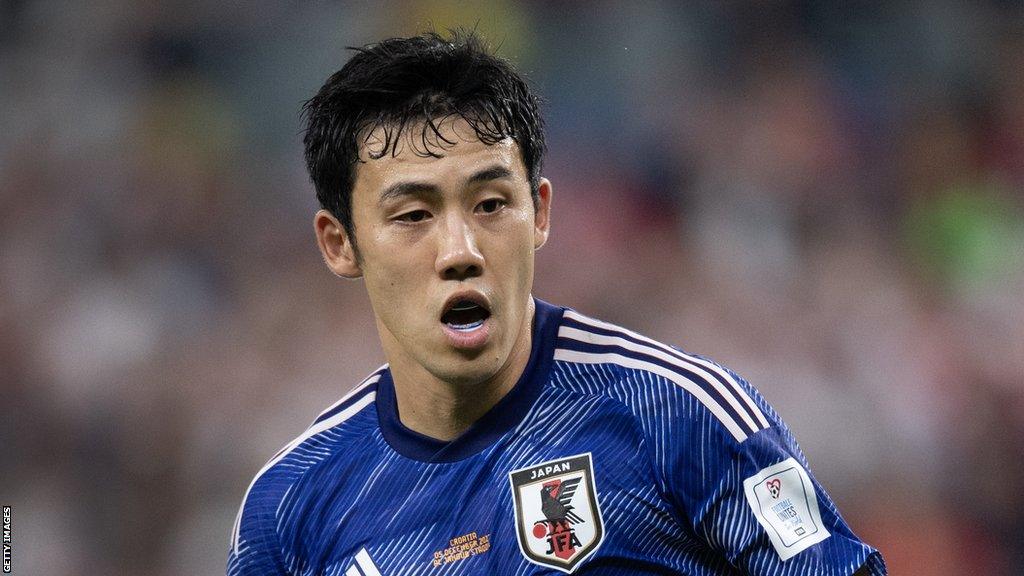
Wataru Endo is the captain and midfield anchor of the Japanese team. He is recognised for his leadership, ability to win duels, and composure in holding midfield.
Endo will be bringing extensive experience from both the Premier League with Liverpool and previous World Cup tournaments, including the 2022 campaign, where Japan reached the Round of 16.
Takefusa Kubo

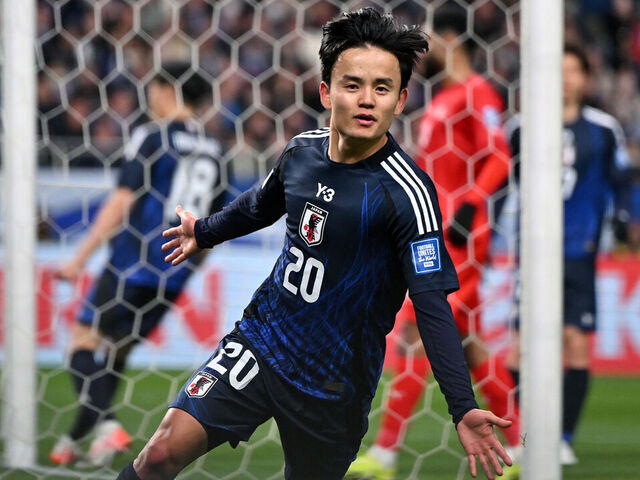
The 25-year-old is a technically intelligent player who provides creativity between the lines. Kubo is highly experienced, operating as a versatile right-winger or attacking midfielder.
The Real Sociedad playmaker operates primarily as a right-winger, excelling at cutting inside onto his left foot to create chances or score, often drawing comparisons to elite wingers due to his low centre of gravity.
Takehiro Tomiyasu

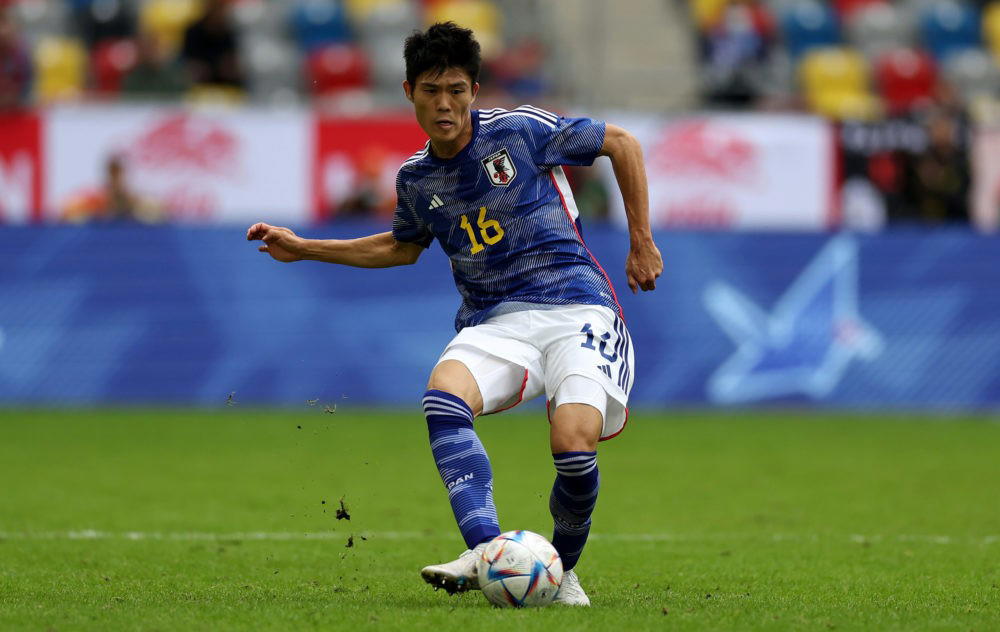
Takehiro Tomiyasu is the cornerstone of Japan’s defence for the 2026 World Cup, offering elite versatility as a centre-back or right-back.
The former Arsenal defender is known for his aerial strength and tactical intelligence, and despite injury challenges, his experience in top European leagues remains crucial for Japan at the World Cup. He brings valuable experience from the 2022 World Cup and is trusted to strengthen the defence against opponents like the Netherlands.
Ritsu Doan
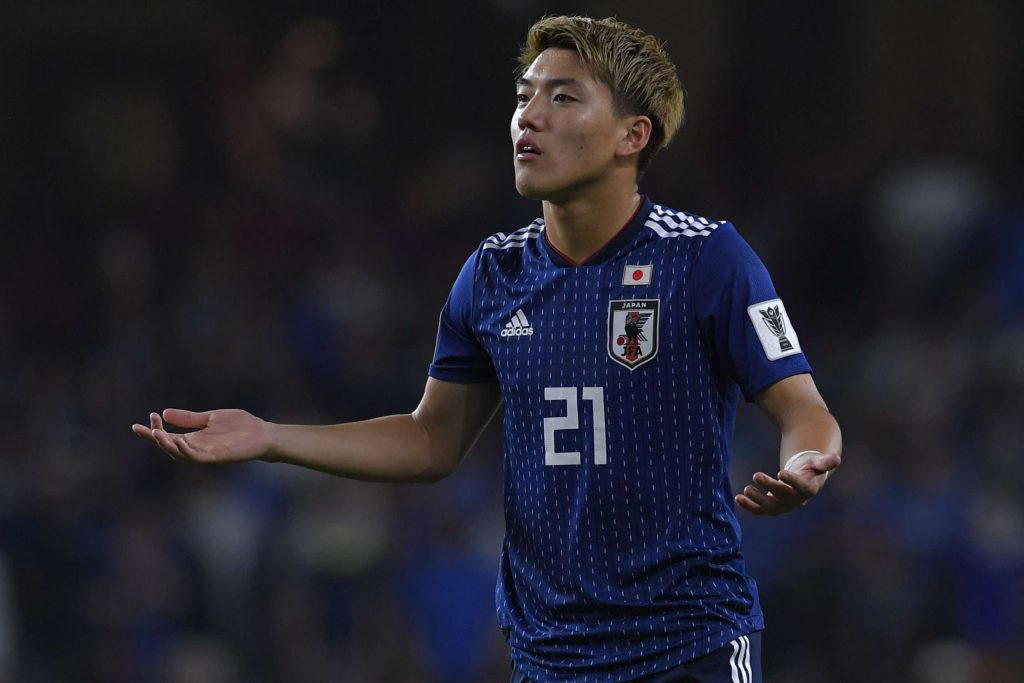
Ritsu Doan is the experienced cornerstone of Japan’s attacking lineup, transitioning from being regarded as a “super sub” in 2022 to a key playmaker and leader. The Eintracht Frankfurt winger offers elite technical skill, high-pressure scoring ability, and a tireless work rate on either flank.
The 27-year-old remains a decisive attacking option capable of changing games with moments of quality. He often operates from the right wing or as an attacking midfielder.
Tactics
The Japanese team, led by Hajime Moriyasu, typically operate in a 4-2-3-1 or 4-3-3 system.
The system is built around aggressive pressing, quick transitions, technical ball retention, positional discipline, and fast attacking movement in wide areas. The Japanese team combine European tactical structure with traditional intensity and work ethic.
Strengths and Weaknesses
The strength of the team includes having a strong technical quality across midfield and attack, tactical organisation, high pressing intensity, squad depth in European leagues, team chemistry and discipline, while their weakness exists in areas like struggling physically against stronger opponents, finishing consistency in key moments, and vulnerability in aerial situations.
Japan’s All-Time Caps leader
Yasuhito Endo – 152 caps
Japan’s All-Time leading scorer
Kunishige Kamamoto – 75 goals
About the country
Population: Approximately 124 million
Capital: Tokyo
Known for: Advanced technology, disciplined sporting culture, anime, innovation and rapidly developing football infrastructure
Disclaimer
Comments expressed here do not reflect the opinions of Vanguard newspapers or any employee thereof.