
By Josephine Agbonkhese
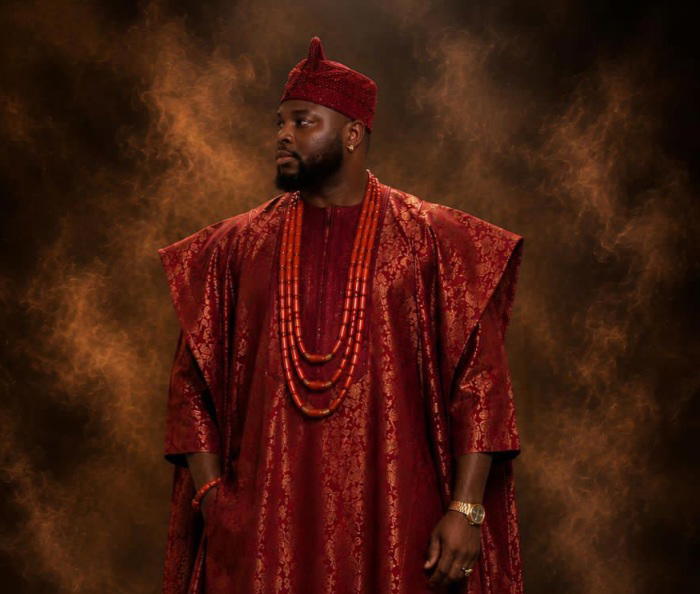
2026 is proving to be a landmark year for Bright Urobo, the visionary behind Lagos-based luxury fashion house Ranto Clothings. What began in 2018 as an ambitious independent fashion brand has steadily evolved into one of Africa’s most visible and internationally respected creative enterprises.
This year alone, the designer has recorded increased international luxury orders from the United Kingdom and the United Arab Emirates, secured invitations to major fashion showcases across London and East Africa, and expanded his influence through high-level speaking engagements focused on African creativity, fashion leadership, and cultural identity.
From invitations to showcase at African Fashion Week London, Swahili Fashion Week, African Hub Fashion Week London, and La Mode London UK Fashion Week, to being selected to speak at “The Beauty of Art” at Gallery 1957 and “Fashion Meets Art” at the African Centre London, Bright Urobo is increasingly being recognised as one of the leading voices shaping the future of African luxury fashion globally.
In this exclusive interview with Vanguard, the designer opens up about international growth, leadership, collaborations, and why African fashion is moving from visibility into global authority.
2026 has already been a remarkable year for Ranto Clothings internationally. How would you describe this phase of your career?
I would describe it as a season of expansion and alignment.
For years, we focused heavily on building the foundation creatively and structurally. Now, we are beginning to see the results internationally. The recognition is growing, but more importantly, the quality of conversations around the brand is changing.
People are no longer engaging with African fashion as something emerging or temporary. They are engaging with it as serious luxury, serious culture, and serious business. That shift is extremely important to me.
There has been growing demand for Ranto Clothings from the UK and UAE markets. What do you think is driving that international interest?
I think people globally are becoming more intentional about originality and identity.
The UK and UAE markets have responded strongly to the kind of storytelling and craftsmanship we bring into our work. Clients want luxury that feels meaningful, not just visually attractive.
We have seen a major increase in bespoke and occasion wear orders coming from London, Birmingham, Dubai, and Abu Dhabi this year. I believe it reflects a larger shift where African luxury fashion is no longer viewed as niche, but as globally relevant.
You also recently collaborated with a London-based African stylist. What was special about that collaboration?
The collaboration was important because it represented the meeting point between African heritage and diasporic experience.
Fashion becomes more powerful when collaboration creates dialogue. Working with a London-based African stylist allowed us to explore how African identity evolves across different geographies while still remaining culturally rooted.
It was not just about styling garments. It was about communicating a shared perspective on African luxury, migration, identity, and global influence.
You were selected for a fashion leadership panel at Uyo Fashion Week this year. How important are these speaking opportunities to you?
They are extremely important because leadership in fashion is about more than visibility.
When I speak at platforms like Uyo Fashion Week, I try to focus on conversations around infrastructure, sustainability, production systems, mentorship, and creative discipline.
I think African fashion is entering a stage where we need more honest discussions about how to build long-term systems around creativity. Young designers need access to both inspiration and practical knowledge.
This year you have also received invitations to several major international showcases including African Fashion Week London, Swahili Fashion Week, African Hub Fashion Week London, and La Mode London UK Fashion Week. What does that level of recognition mean to you?
It means responsibility.
Every invitation tells me that people believe the work has value beyond aesthetics. These platforms are not only fashion events; they are cultural spaces where African designers are shaping global narratives.
Being invited to showcase at African Fashion Week London, Swahili Fashion Week, African Hub Fashion Week London, and other international platforms is deeply encouraging because it reflects how interconnected African fashion has become globally.
The movement is growing beyond borders now.
You were also selected to speak at “The Beauty of Art” at Gallery 1957 London and invited for “Fashion Meets Art” at the African Centre London. Your work often exists between fashion and art. Why is that intersection important to you?
Because African fashion has always been artistic.
Our textiles, beadwork, embroidery, and traditional craftsmanship have always carried symbolism and cultural meaning. So for me, fashion naturally belongs in artistic and intellectual conversations.
Speaking at Gallery 1957 and participating in Fashion Meets Art at the African Centre London felt very aligned with my philosophy because those platforms allow deeper engagement with culture, identity, and preservation.
I believe African fashion deserves to be discussed not only commercially, but intellectually and artistically.
Despite all the global visibility, you still invest heavily in mentorship and education through your initiatives. Why?
Because the future of African fashion depends on collective growth.
Through the Ranto Masterclass Series and the Elevate Fashion Initiative, we have supported hundreds of emerging creatives with technical training, mentorship, and entrepreneurship education. 
I believe real leadership is not only about personal success. It is about how many people your journey helps empower.
Finally, where do you see African fashion heading over the next few years?
I see African fashion entering an era of authority.
For a long time, African designers were seeking visibility. Now, we are building ownership — ownership of our stories, production systems, aesthetics, and global positioning.
The future belongs to brands willing to think beyond clothing and build ecosystems around creativity, culture, and industry.
African fashion is no longer asking for space. We are creating our own global architecture.
Disclaimer
Comments expressed here do not reflect the opinions of Vanguard newspapers or any employee thereof.