
By Prince Osuagwu
Africa’s digital growth story is deeply local, shaped by the realities of each market and the ambitions of its businesses.
That is what makes the market unique and every solution provider and Office Equipment Manufacturer, OEM is angling to have a bite in the apple.
For global tech solution provider, Adobe, the time to boss the African market is now. It is hoping to do so, through its repackaged creative clouds and document tools. And, the vehicle to ride into the market is another leading tech aggregator, Redington.
Both has entered into a distributor partnership to expand access to creative, design, and document cloud solutions across Africa.
Redington is celebrating the partnership as a milestone in its commitment to empowering businesses, governments, and educational institutions with technology that supports creativity, efficiency, and growth.
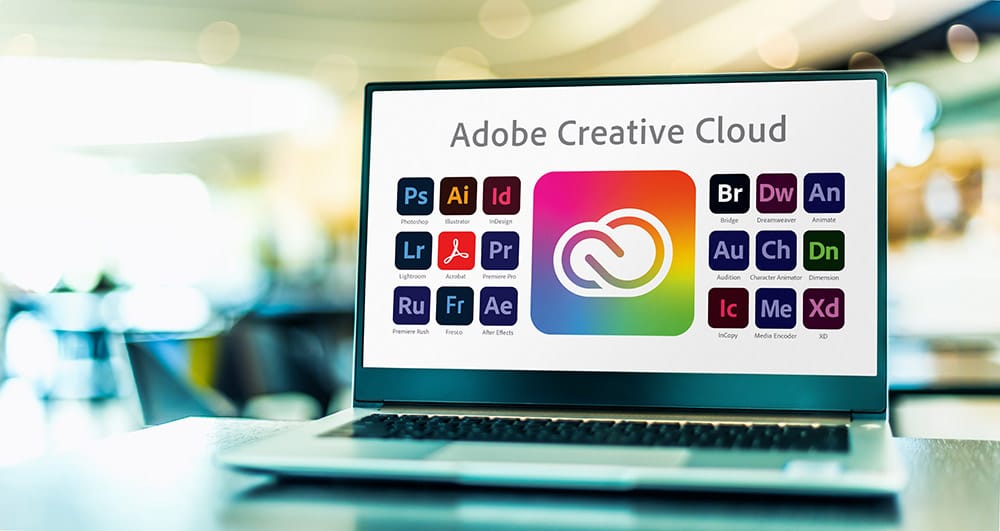
Adobe has significantly repackaged both its Adobe Creative Cloud and Document Cloud ecosystems over the last two years, moving from a simple software subscription model to an AI-powered creative-and-productivity platform built around generative AI, collaboration, cloud workflows and automation.
The biggest shift is that Adobe is no longer selling just apps like Photoshop or Acrobat. It is now selling an integrated AI ecosystem powered by Firefly, AI Assistants, cloud collaboration and automation tools.
Previously, Creative Cloud was largely structured around Single-app subscriptions, Creative Cloud All Apps and photography plan that ran on basic AI tools and limited cloud services. The licensing model of the old order was also static.
But the new package was rebuilt around generative AI, collaborative workflows, cloud creativity, AI assistants, and content-at-scale production.
The old Creative Cloud All Apps which majorly focused on design, photo editing, video production, publishing and animation, has effectively evolved into Creative Cloud Pro, which gives unlimited standard AI generations, Monthly premium AI credits, Firefly integration, AI video generation, AI audio translation, AI image/video editing, access to partner AI models and AI-powered workflow assistants
With the new arrangement, Adobe appears to be competing directly with the likes of OpenAI, Canva, Runway and Figma among others.
Apparently, that’s why Redington is over the moon with the partnership. President, Africa, Redington, Jim Mathew, said “This partnership with Adobe allows us to meet customers where they are, supporting adoption through training, partner readiness, and strong local support. Our focus is on turning access into outcomes, helping organizations across Africa Unlock Next by using digital tools in ways that are practical, relevant, and sustainable, because Africa’s growth story is deeply local, shaped by the realities of each market and the ambitions of its businesses”
Global Head of Software Solutions Group, Redington Group, Sayantan Dev also said: “Software has become the backbone of how modern businesses operate, scale, and compete.
“Our partnership with Adobe strengthens our software portfolio and enables organizations across Africa to adopt world-class creative and document management platforms with speed and confidence. By simplifying deployment, licensing, and enablement through our channel ecosystem, we are helping businesses turn software into a strategic advantage to enhance productivity, innovation, and customer engagement.”
Redington says the partnership reinforces its desire to unlock next mission, driving digital transformation at scale by enabling organizations to collaborate better, streamline workflows, and deliver richer digital experiences powered by Adobe’s globally recognized technology.
With a growing digital economy and a young, tech-savvy population, Africa offers significant opportunities for creative and document cloud solutions.
The partnership is expected to help Redington equip its partner ecosystem with training, enablement programs, and localized support to meet rising market needs and ensure seamless adoption of Adobe technologies.
Disclaimer
Comments expressed here do not reflect the opinions of Vanguard newspapers or any employee thereof.