
As the world marks World Health Day 2026, attention often settles on budgets, global targets and policy declarations. Yet in Nigeria, the real battle for child survival is often fought in living rooms and yards, where parents decide whether to open the door to a health worker or turn them away. The difference between life and loss can be a simple household choice.
Recent experience from the SARMAAN Project’s azithromycin mass drug administration (MDA) across northern Nigeria shows what is possible when families become true partners in public health. In just the first quarter of 2026, MDAs supported by SARMAAN reached more than seven million children across Kaduna, Kano, Bauchi and Jigawa. Behind every number is a parent or caregiver who chose trust over fear and allowed a child to receive a medicine designed to protect them from deadly infections.
This did not happen by accident. For years, many communities have seen health campaigns navigate the tension between acceptance and child survival needs. Health workers like Blessing Fwaje, a nurse and midwife in Adamawa, understand this tension well. She argues that parents are “essential partners in MDAs” and that when they are properly informed, they become “the strongest advocates for their children’s health.”
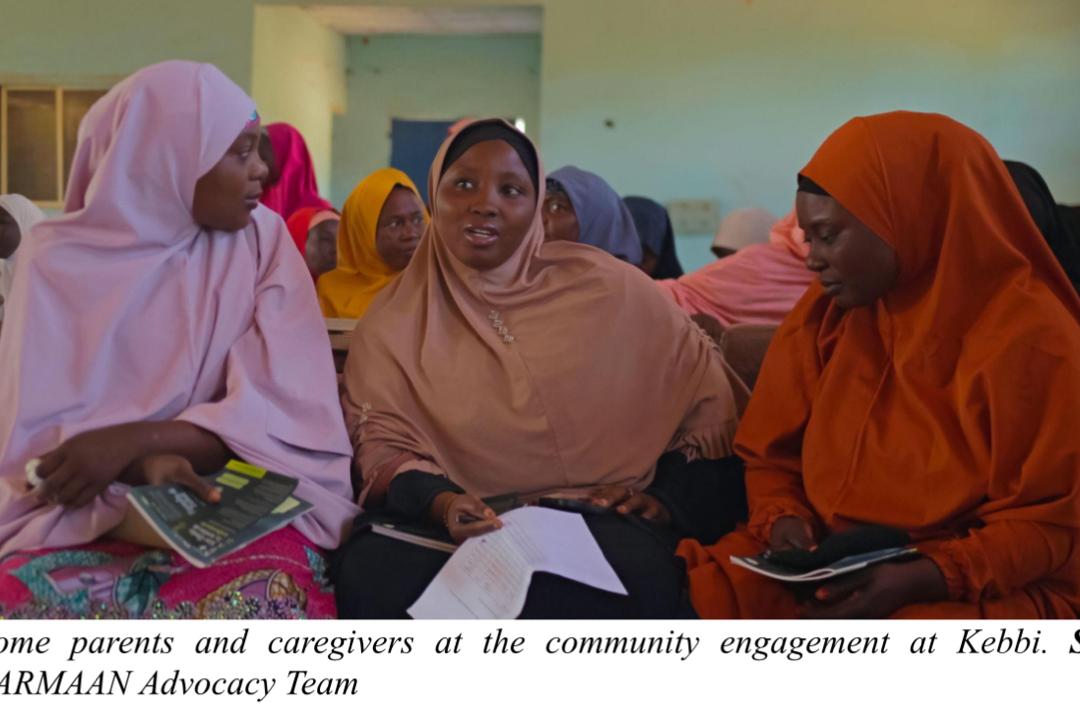
SARMAAN’s approach has been to move engagement upstream. Before a single dose is given, teams sit with parents in gatherings that provide safe spaces, explaining in simple language what azithromycin is, why it is being used, who should receive it and how safety is monitored.
Community, religious and women leaders are invited into the process so that the campaign feels familiar, not foreign. In recent community tours across Kaduna and Kebbi, more than a thousand parents and caregivers were reached in this way.
Even then, families are juggling tough realities: the cost of nutritious food, transport to clinics, and competing advice from traditional and medical systems. For many, protecting a child’s health is a continuous negotiation, not a one‑off decision. That is why trust must be treated as critical health infrastructure, built slowly through respect, listening and consistency.
World Health Day 2026 offers a timely reminder that policies, medicines and logistics will only go so far if households are not carried along. The lesson from SARMAAN is clear. When Nigerian parents are given honest information and treated as partners, they are ready to use every available tool to keep their children alive.
Disclaimer
Comments expressed here do not reflect the opinions of Vanguard newspapers or any employee thereof.