
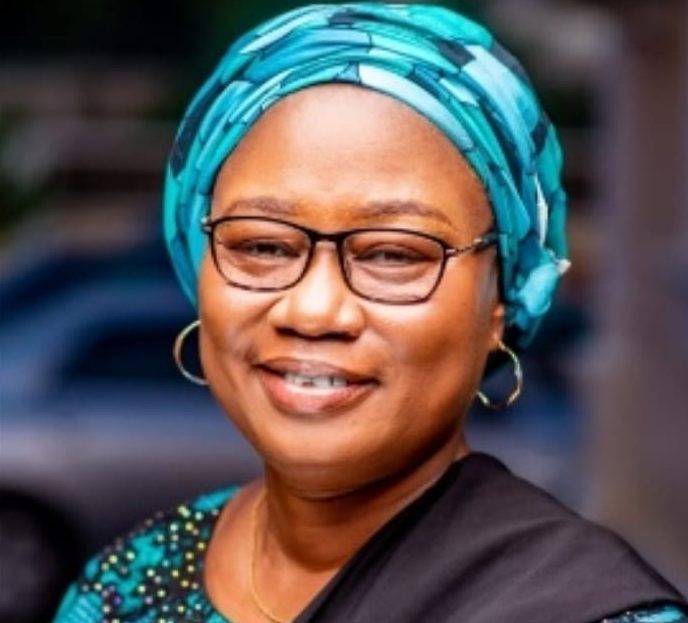
Prof Kaletapwa George Farauta, Deputy Governor and Chairman Adamawa State Primary Healthcare Task Force
By Emmanuel Okogba
Stakeholders in Healthcare delivery sector have identified have identified the lack of effective and efficient leadership, governance and poor management as foremost contributors to the unsavory health outcomes in Nigeria. The stakeholders spoke at the stakeholders’ workshop in Yola, Sokoto and Ilorin under the auspices of the United Nation Children’s Fund (UNICEF) led health governance strengthening projects organized in partnership with Development Governance International (DGI) recently.
The Project christened Enhancing Leadership, Governance and Management Capacities (ELGMC) was put in place to enhance the governance and management capacities of the State Primary Health Care Development Agencies (SPHCDAs) and other Primary Health Care (PHC)-related agencies in the pilot states of Adamawa, Kwara, and Sokoto. The aim is to support evidence-based policy, planning, financing, implementation, and monitoring of gender- and adolescent responsive PHCs and Reproductive, Maternal, Newborn, Child and Adolescent Health+ Nutrition (RMNCAH+N) services, as well as addressing Gender Based Violence.
The project will assess the leadership, governance, and management capacities of the relevant agencies involved in PHC management in the target states. It will also develop an organizational capacities-strengthening plan for addressing the identified gaps with agreed interventions. ELGMC will also address identified leadership, governance, and management capacity gaps by implementing organizational capacity strengthening plans through competency management and leadership training, tools, policy development, and focused mentoring.
The stakeholders noted that despite the measureable progress and some improvement in health indicators in Nigeria, there are still challenges including the significant and noticeable gaps in access to healthcare, high out-of-pocket expenses, deficiencies in health infrastructure, workforce retention and funding.
It was however noted that the most crucial operational challenge is leadership, governance and management. This, according to them is noticeable in key areas including weak policy guidance, sub optimal system functionality, ineffective regulations, weak inter-agencies and sectorial collaboration and synergy, poor oversight and low accountability.
The project Lead and UNICEF Health Specialist Dr. Emmanuel Emedu, noted the significance of the ELGMC project while addressing programme coordinators, programme officers and consultants. He explained that effective leadership, governance and management of health system is a must “because when you are able to establish robust and sound management and governance system that is resilient, health service delivery will be seamlessly integrated into the world of health development agenda of states”
For Prof Kaletapwa George Farauta, Deputy Governor and Chairman Adamawa State Primary HealthCare Task Force who spoke at the State Stakeholders Workshop for the project in Yola, strengthening leadership, governance and management in Primary Health Care is fundamental to improving planning, implementation, monitoring, and accountability. “These elements are essential if we are to achieve improved access and utilization of high impact RMNCAH+N services across our state”. He expressed deep appreciation to UNICEF and DGI for the commitment in strengthening health system in Adamawa State. “Their partnership is critical to build a stronger, more resilient and people oriented Primary Health Care system that delivers quality services.” She noted
The Commissioners for Health in Kwara State, Dr. Amina Ahmed El-Imam and his Sokoto State counterpart, Dr. Faruk Umar Abubakar Wurno who were also key participants at their respective state stakeholders’ workshops, were also upbeat on the transformative possibilities of the project for their states. Kwara State Commissioner stated that that experience has shown that technical skills are not in short supply. “What is deficient are the soft skills. We need to create more values, more results and translate programmes and policies to meaningful benefits for the state and its people through effective leadership and governance and efficient management. We must start implementing what we learn in this workshop immediately and support the project to improve our health environment.”
Dr. Wurno commended UNICEF and DGI for the project and expressed confidence that it will assist the state to achieve improved capacities in the health care management. ” The State government will provide necessary support for the 5 goals of the project to be achieved in the state” He promised.
On the overall impact of the project, the Chief Executive Officer of the Development Governance International (DGI, Dr. Gafar Alawode the project will be iterative in nature and will involve all the critical stakeholders. “In each of the three states, we will assess the capacities to develop policies, implement it and at the same time to have the necessary leadership attitude towards improving overall health outcomes; In doing the assessment, we are going to work with the stakeholders to identify what the challenges are in terms of knowledge gaps in terms of leadership gaps, in terms of skills gap and in terms of the necessary tools to work with” he said.
The stakeholders’ workshop to intimate key participants drawn from miniseries, departments, agencies, local governments and non-governmental organizations discussed the methodology of the projects and elicited buy in, participation and cooperation of stakeholders. The review of organization assessment tools, training of state teams, pre-assessment engagement with leaders of key institutions and online self-assessment with key stakeholders have already been concluded.
The next stages will involve Focus Group Discussion with management staff of focus institutions, Key Informant Interviews with key senior officials, data analysis and the development of Draft Capacity Assessment Report. These will be followed by the design and implementation of capacity strengthening plan as well as the focused mentoring and handholding.
DGI CEO, has however commended demonstrated passion and commitment of the leadership of health management in the three pilot states for the project. According to him, the Deputy Governor of Adamawa State and Commissioners of Health in Sokoto and Kwara States not only came very early to the stakeholders workshop before most participants, they provided the required encouragement by speaking to the key benefits the states will derive from the project thereby motivating participants to appreciate its significance more..
.Experts and stakeholders in healthcare are upbeat that if the project succeeds in establishing an effective leadership, governance and management approach, test it, implement it effectively, and demonstrate results, it will greatly help the health sector agenda in Nigeria starting from the three pilot states.
Disclaimer
Comments expressed here do not reflect the opinions of Vanguard newspapers or any employee thereof.