
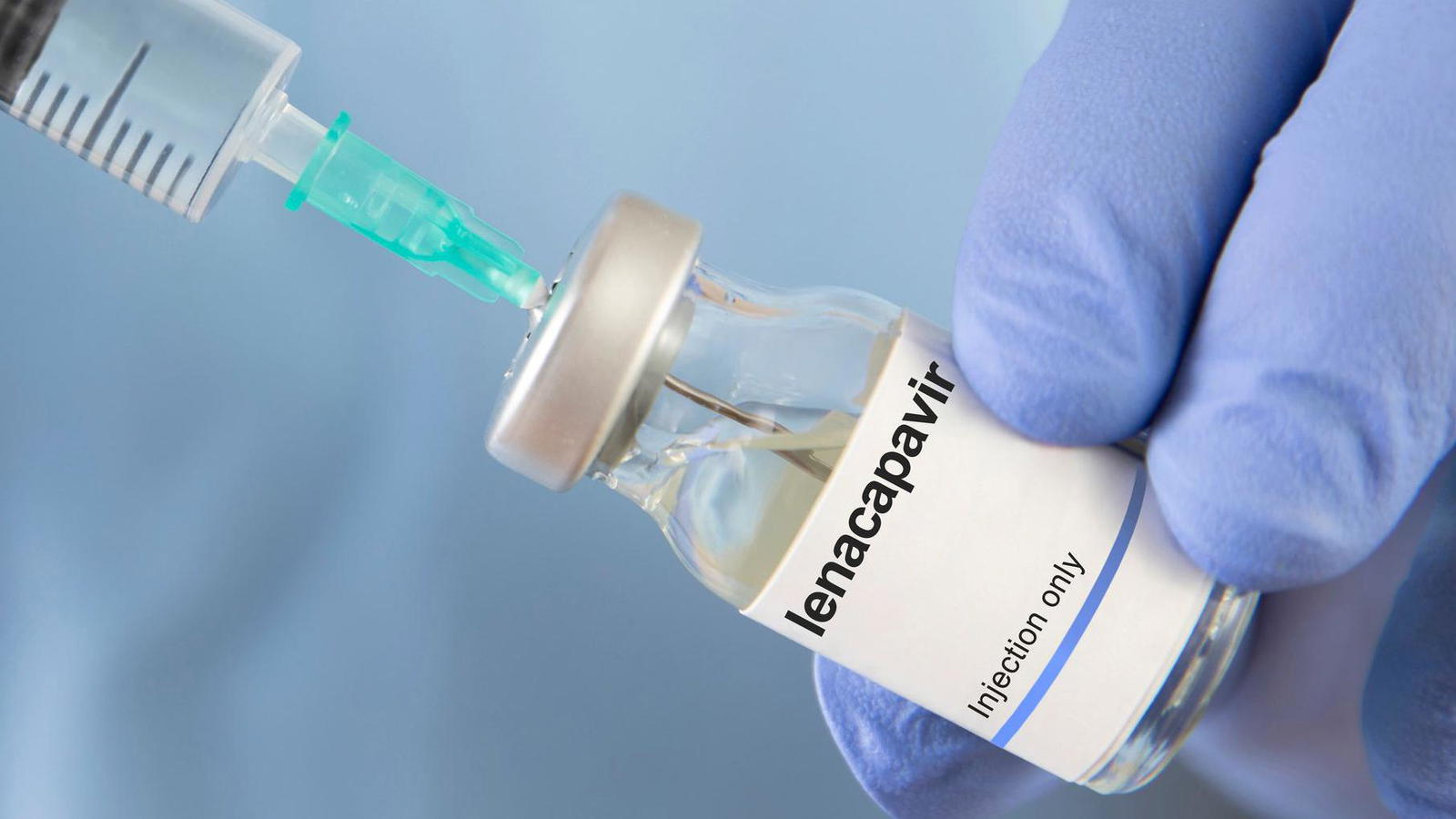
Nigeria’s introduction of a six-month injectable treatment for Human Immunodeficiency Virus, HIV, marks a pivotal moment in the country’s long and arduous battle against one of the most stubborn public health challenges of our time. Known as Lenacapavir, it has already given our health authorities the confidence to predict the end of AIDS in Nigeria by 2030.
For decades, the management of HIV has depended largely on strict daily adherence to antiretroviral therapy—a regimen that, while effective, is often burdened by stigma, forgetfulness, limited access and systemic healthcare gaps. This new development offers not just medical advancement, but a profound shift in how care can be delivered and experienced.
At its core, the six-month injection represents convenience, dignity, and hope. For many patients, especially those in rural or under-served communities, the need to take daily medication or frequently visit health facilities has been a significant barrier to consistent treatment.
By reducing treatment frequency to just twice a year, adherence rates are likely to improve, viral suppression can be better sustained, and the risk of transmission may significantly decline. In public health terms, this is not merely an innovation—it is a potential game changer.
Beyond its clinical benefits, the injection could also help tackle the enduring stigma surrounding HIV. Daily pills often serve as a visible reminder of one’s status, sometimes exposing individuals to discrimination within families, workplaces, and communities. A discreet, long-acting injection reduces this visibility, allowing patients to live more freely and confidently. In a society where stigma remains a formidable obstacle to testing and treatment, such discretion is invaluable. However, optimism must be tempered with realism. The success of this initiative will depend heavily on availability, equitable access, affordability, and efficient distribution. Nigeria’s healthcare system, already stretched by infrastructure deficits, funding constraints, and widening skills gap as doctors emigrate, must rise to the occasion. Policy makers must ensure that this breakthrough does not become an urban luxury while rural populations are left behind. Cold chain logistics, trained personnel, and sustained funding will be critical in translating promise into impact. Furthermore, public awareness campaigns must accompany this roll-out.
Misconceptions, fears, and cultural resistance could undermine acceptance if not proactively addressed. Communities need to understand not only the safety and efficacy of the injection but also its role in improving quality of life.
In essence, the six-month HIV injection is more than a medical intervention—it is a symbol of progress, resilience, and the possibilities of modern science when aligned with public health priorities.
If implemented with foresight and inclusivity, it could redefine HIV care in Nigeria and serve as a model for other nations grappling with similar challenges. Nigeria now stands at a crossroads: to merely introduce innovation, or to ensure it transforms lives.
The difference will lie in how the programme is implemented.
Disclaimer
Comments expressed here do not reflect the opinions of Vanguard newspapers or any employee thereof.