
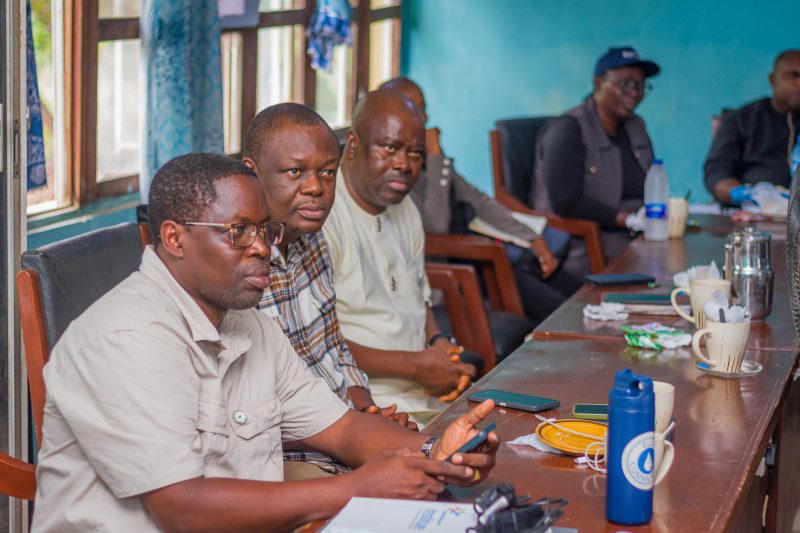
From left: Reverend Kolade Fadahunsi, Director, Christian Council of Nigeria’s Institute of Church and Society; Philip Jakpor, Executive Director of Renevlyn Development Initiative, RDI; Chima Williams, Executive Director of the Environmental Defenders Network, and others at the training.
The Ecumenical Water Network – Nigeria, EWN-Nigeria, on Sunday, organised a one-day training for labour leaders, policy advocates, and water sector experts on legislative bill drafting to advance water justice in Ekiti, Oyo, and Lagos states.
The training, which equipped selected stakeholders with “intellectual and professional skills required to develop, refine, and present legislative proposals that advance water justice and promote public-public water service delivery,” held at at the Conference Hall of the Institute of Church and Society, Ibadan, Oyo State.
It was part of EWN-Nigeria’s ongoing project – “Voices for Water Justice in Ekiti, Lagos and Oyo States of Nigeria” – to strengthen collective efforts against water privatisation.
At the training, the urgency of people-centered water policies, strong advocacy, and alliances capable of influencing legislative outcomes in favour of public water access were stressed.
Also, union leaders agreed to draft a water Justice bill as a public concern and transmitted to the states’ houses of assembly.
The Amalgamated Union of Public Corporations, Civil Service Technical and Recreational Services Employees, AUPCTRE; the Water Corporation of Oyo State, WCOS, and the Community Development Initiative, CDI, among others, were represented at the training.
Reverend Fadahunsi
Earlier in his opening remarks, Reverend Kolade Fadahunsi, Director of the Christian Council of Nigeria’s Institute of Church and Society, established a vital link between water, food, and climate within the broader ecological framework.
He said there were growing concerns around water accessibility, affordability, and availability, warning that privatisation would disproportionately affect low-income communities across urban and rural areas.
In his presentation, Philip Jakpor, Executive Director of Renevlyn Development Initiative, RDI, traced the history of resistance against water privatisation in Nigeria, noting a steady decline in water accessibility.
Also, he stressed efforts by civil society to challenge legislative attempts to commercialise water resources such as the controversial provisions in Lagos State and the National Water Resources Bill.
Raul Amin, General Manager of the Oyo State Water Corporation, on his part, warned that Nigeria is approaching water stress levels due to population growth and insufficient investment in water infrastructure.
Also speaking, Chima Williams, Executive Director of the Environmental Defenders Network, took the participants through the legislative process.
He stressed the importance of drafting strong legal alternatives and justifications for proposed amendments or repeals. He said policy statements without legal backing cannot guarantee enforcement.
He also spoke on the importance of understanding political dynamics and ensuring credible representation in legislative processes.
Highlights of govts’ privatisation plan
The training highlighted the issues that bedevilled governments’ privatisation processes.
In Lagos, for instance, there was no due legislative process; no public hearing; criminalisation of private extraction of water, including the drilling of boreholes and purchasing water from private sellers, and advocating Public Private Partnership as the solution to water and waste management challenges.
At the federal level activists fought and defeated a plan by the Federal Government to grab water resources from the states. The argument of the activists was that the proposed bill was planned to achieve the following:
At the Federal level, there was:
- Federal Control: A major point of contention is the transfer of control over water resources from the states to the federal government.
- Licensing Concerns: Mandatory licensing for water use could hinder citizens, including small-scale farmers and households.
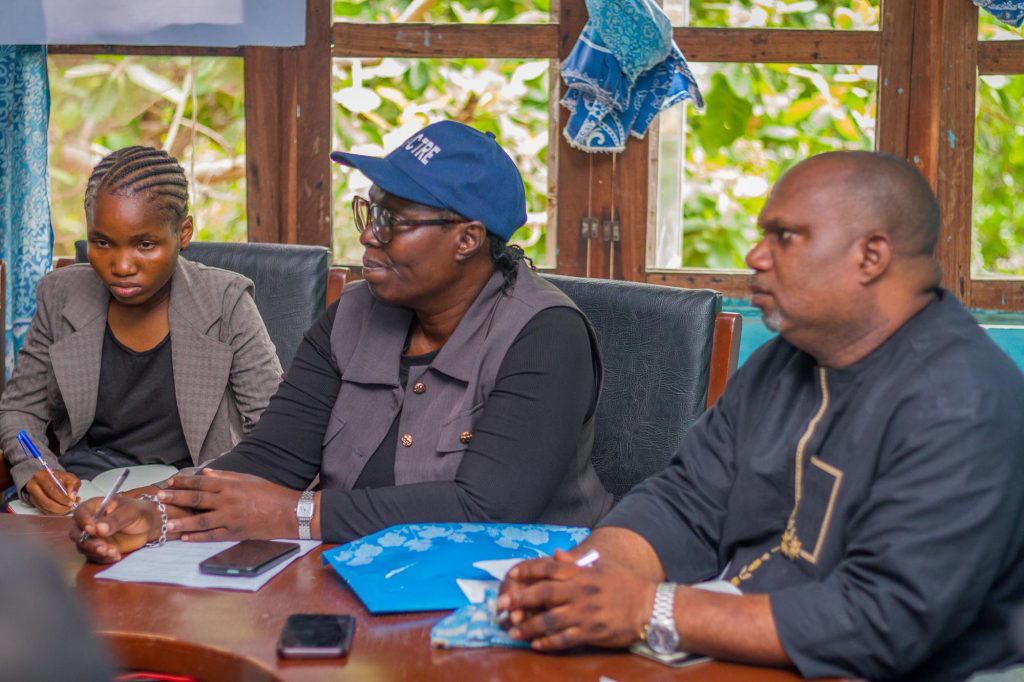
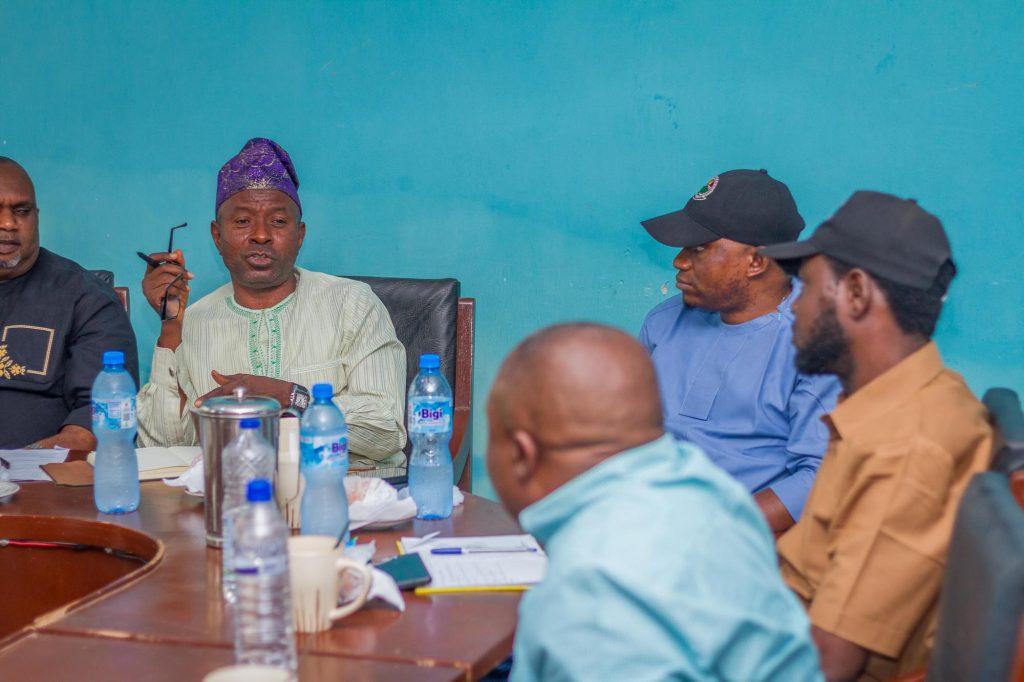
Below are two more photos from the training:

Disclaimer
Comments expressed here do not reflect the opinions of Vanguard newspapers or any employee thereof.