
Emerging reports from local sources suggest that Nigerian authorities received advance intelligence regarding a potential insurgent movement towards Benisheikh in Borno State, prompting fresh concerns about how early warnings are processed and acted upon within the current counter-insurgency framework under Operation Hadin Kai.
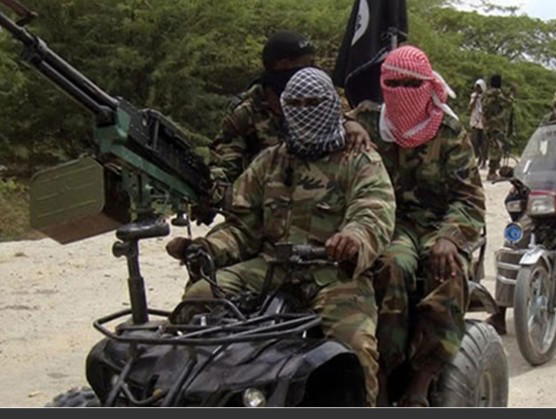
According to local and security sources, suspected insurgents were sighted around 7 April in the Karnakasari area of the Borgozo axis. The information indicated the possible movement of armed groups believed to be affiliated with Boko Haram/ISWAP, reportedly travelling in groups of motorcycles and accompanied by gun trucks. The assessment suggested that such movements could pose risks to both security installations and civilian communities along the Benisheikh corridor in Kaga Local Government Area.
These accounts indicate that the development was communicated as a potential threat ahead of the reported attack in the early hours of 9 April. While the exact sequence of operational decisions remains unclear, analysts note that advance warnings of this nature are typically intended to support precautionary deployments, surveillance, or other preventive measures, although it is not always possible to determine publicly what actions were taken or why certain responses may not have been visible.
Security observers say the situation reflects a broader, recurring concern in Nigeria’s security landscape, where early warning signals do not always appear to translate into outcomes that prevent attacks or threats. However, they caution that operational constraints, competing priorities, and the complexity of counter-insurgency environments can affect how intelligence is interpreted and acted upon.
Following a separate security incident in Kebbi State, Governor Nasir Idris highlighted the importance of strengthening local intelligence and improving rapid response mechanisms, noting that enhanced coordination would be critical in reducing vulnerabilities.
In Borno State, Governor Babagana Zulum described the killing of Brigadier-General Oseni Braimah as “avoidable and sad,” stating that credible, actionable intelligence had been provided ahead of the attack. Speaking during an appearance on ARISE TV News, he called for a review of Nigeria’s security architecture, stressing that in some instances intelligence had been available days in advance of attacks.
Experts maintain that Nigeria has made notable progress in intelligence gathering over the years, but argue that continued efforts are needed to strengthen coordination, communication, and responsiveness across security agencies. Suggestions often put forward include enhancing community-based intelligence networks, improving inter-agency collaboration, and ensuring clearer frameworks for evaluating and acting on threat information.
They also stress the importance of accountability systems that review how intelligence is handled, while recognising the need to balance transparency with operational security.
As security agencies continue to confront evolving insurgent tactics, the Benisheikh situation highlights the ongoing challenge of translating early warning into effective preventive action. Observers say sustained reforms aimed at improving response mechanisms may help reduce risks to both civilian populations and security personnel in vulnerable areas.
Disclaimer
Comments expressed here do not reflect the opinions of Vanguard newspapers or any employee thereof.