
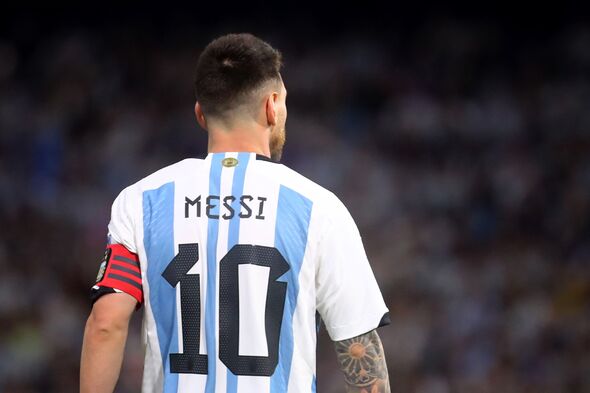
Argentina comes into the 2026 World Cup with confidence because their squad blends experience with flexibility. The first match takes place in Kansas City, so the opening display will shape early headlines. Messi’s role remains uncertain, yet the system around him continues to function with purpose. The question now is how Argentina plans to create, press and win matches whether he starts or plays less.
When Messi starts, the rhythm slows and control grows
Argentina shift into a possession-first system when Messi takes the lead in attack. The back line moves up the pitch, while Romero and Lisandro Martínez push forward with the ball because both defenders carry strong passing ability.
Rodrigo De Paul controls the tempo, since he presses, recovers and distributes across all thirds. Alexis Mac Allister supports possession through clever positioning, and Enzo Fernández carries through the middle when pressure builds.
Messi finds space between lines and dictates direction, so Argentina delay final passes until movement draws defenders out. Width comes from overlapping full-backs and wide midfielders, because that allows Messi to drift centrally. Álvarez presses high and creates disruption, while Lautaro Martínez stays closer to goal.
This version feels deliberate and methodical, because the team protect the ball and pick moments to break lines. When Messi combines with midfielders, the tempo shifts quickly and chances follow. Argentina look composed when they play this way, while their opponents struggle to read where pressure will strike next.
Without Messi, Argentina press harder and play faster
When Messi starts on the bench or plays later, Argentina make small changes that shift the energy. De Paul moves wider because he helps cover more ground, and Enzo Fernández steps higher so the ball moves faster through midfield. Mac Allister becomes a late runner into the box because Álvarez or Lautaro create space ahead of him.
The attack becomes more vertical, since players like Garnacho stretch full-backs with direct runs. Argentina then press higher and win the ball in better areas. Álvarez sets the tone because his pressing triggers the line to push. This gives Argentina more transition chances, while the ball moves forward with fewer touches.
Instead of playing through one creator, the team rotate attacking roles. Everyone carries part of the creative load, so there is less waiting and more urgency. Argentina still hold their shape well, because their structure is clear. The game looks quicker, while the patterns stay clean.
Analysts and betting markets move early
Every shift in Argentina’s tactics sparks conversations across media, forums and expert panels. Analysts break down match clips because movement, shape and substitutions always give clues. They measure pressing distances and compare how wide combinations change with or without Messi.
Tournaments bring attention from every angle, so people start looking at options weeks before the first match. Some already study lineups and expected goals because they want to place a bet on opening fixtures.
Betting platforms promote welcome offers, while features like live streaming and quick deposits keep users connected. Sites that regularly update their odds highlight Argentina’s matches as key events, since changes in strategy affect final outcomes.
Expectations around the squad create market movement. If Messi plays fewer minutes, bettors adjust predictions and watch match day changes. The structure may shift slightly, but Argentina’s confidence keeps them at the centre of attention, while gambling fans continue tracking every tactical signal.
Defensive energy stays constant across all versions
Argentina defend with unity and purpose because Scaloni has trained clear lines of responsibility. The first wave of pressure comes from Álvarez or Lautaro, while wide midfielders cover passing lanes. De Paul follows the ball closely because he senses danger early, and Enzo presses smartly when the play opens.
Romero leads with aggression, so Lisandro supports with positioning and diagonal coverage. Martínez in goal plays with confidence, while his long passes start counters when the moment comes. The full-backs recover quickly, and wide players drop into shape.
This shape holds firm when Messi plays or when he rests, since the rest of the squad never drop intensity. That consistency allows Argentina to handle direct attacks or build pressure in safer zones. They rarely sit back for long periods, because every player works to recover quickly and rebuild shape.
Argentina’s edge lives in structure, so their threat remains
With Messi, Argentina slow the pace, create through tight angles and strike when the defence breaks open. Without him from the start, they play quicker, press harder and test defenders with direct runs. Both styles work because the squad understands timing, spacing and responsibility.
Every player contributes in clear ways, while the staff adjust training to prepare for high-intensity matches across multiple cities. Kansas City opens the tournament against Algeria, so the group must stay sharp from the start. That first match will test whether the style clicks, but Argentina already know their identity works either way.
Messi remains a symbol, though the system carries its own power. Structure, pressing, and role clarity make this team ruthless. Kansas City will show if that ruthlessness lives through every player, every minute, and every change across the pitch.
Disclaimer
Comments expressed here do not reflect the opinions of Vanguard newspapers or any employee thereof.