
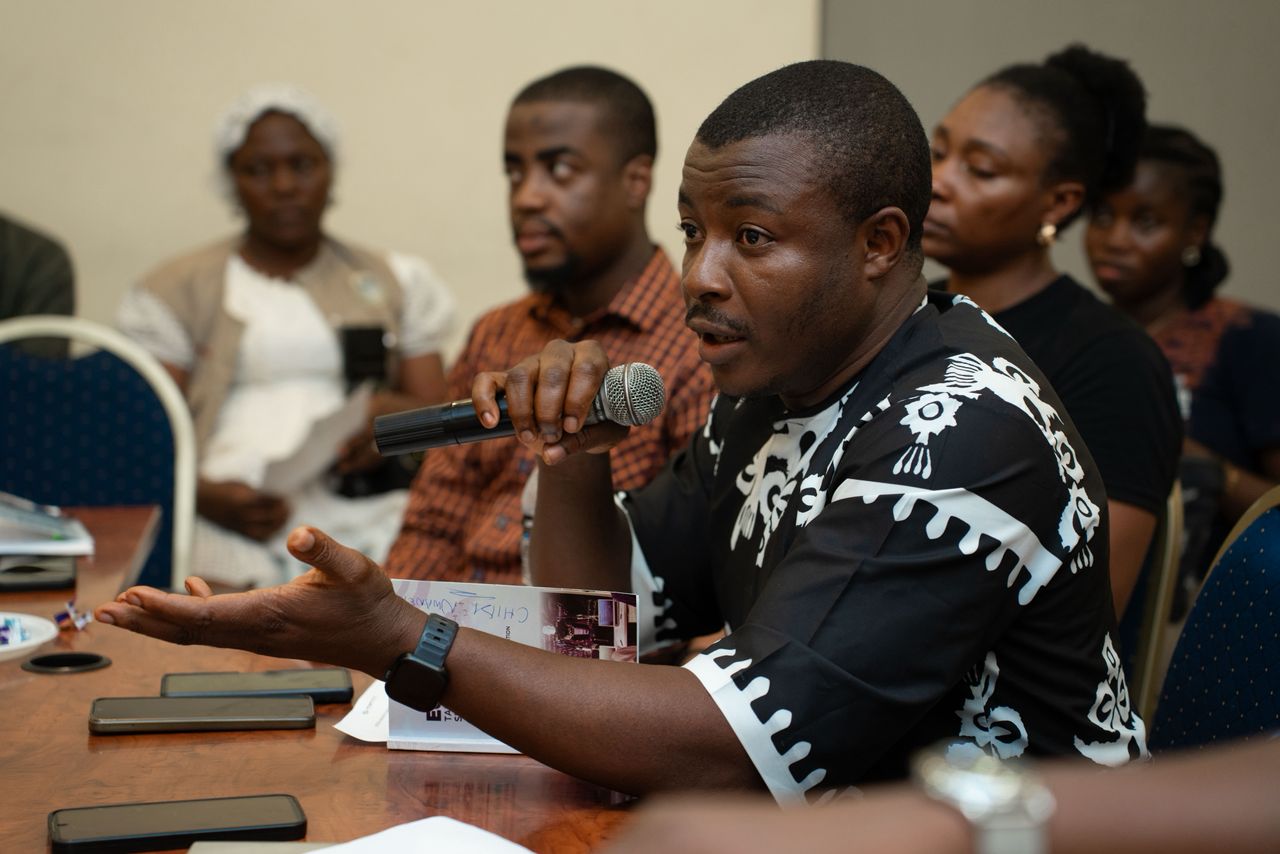
A researcher at the University of Lagos is exploring how artificial intelligence can be used to develop inclusive learning systems tailored to children living with Attention-Deficit/Hyperactivity Disorder (ADHD).
Chidiebere B. Nwaneto, a researcher at the Nigerian AI Research Laboratory (NAIL), is focusing on building AI-powered, adaptive learning tools designed to improve educational outcomes for children whose needs are often overlooked in conventional classrooms.
His research examines how intelligent systems can address challenges commonly faced by learners with ADHD, including difficulty sustaining attention, managing distractions, and maintaining engagement with learning materials.
Nwaneto said the goal is not just to advance technology but to ensure that evolving digital learning systems are inclusive and responsive to diverse cognitive needs.
With a background in Computer Engineering and a Master’s degree in Computer Science, he combines academic expertise with industry experience in software engineering, spanning web development, enterprise applications, artificial intelligence, and scalable digital platforms.
At the University of Lagos, his research is supervised by Dr. Chika Yinka-Banjo and Dr. Yetunde Folajimi. Together, they are investigating how adaptive learning technologies, personalised education systems, and inclusive digital interfaces can better support students with ADHD.
His work focuses on the intersection of artificial intelligence, education, accessibility, and human-centred design, particularly how digital platforms can respond to cognitive overload, reduced attention spans, and focus-related challenges.
Nwaneto’s current research builds on his postgraduate work, which produced four scholarly outputs, including three peer-reviewed journal articles and a published dataset on the use of deep learning and computer vision for early detection of Taro Leaf Blight disease in West Africa.
His previous studies explored deep learning models for plant disease detection and developed image datasets documenting stages of the disease, contributing to advancements in agricultural technology and plant pathology.
Experts say the relevance of his current research is significant, especially in regions where awareness, diagnosis, and specialised educational support for children with ADHD remain limited.
By developing AI-driven, adaptive learning systems, Nwaneto aims to help create more inclusive digital education environments that can better support neurodiverse learners.
His work reflects a growing trend among African researchers leveraging advanced technologies to address real-world social challenges, particularly in education and accessibility.
Disclaimer
Comments expressed here do not reflect the opinions of Vanguard newspapers or any employee thereof.