
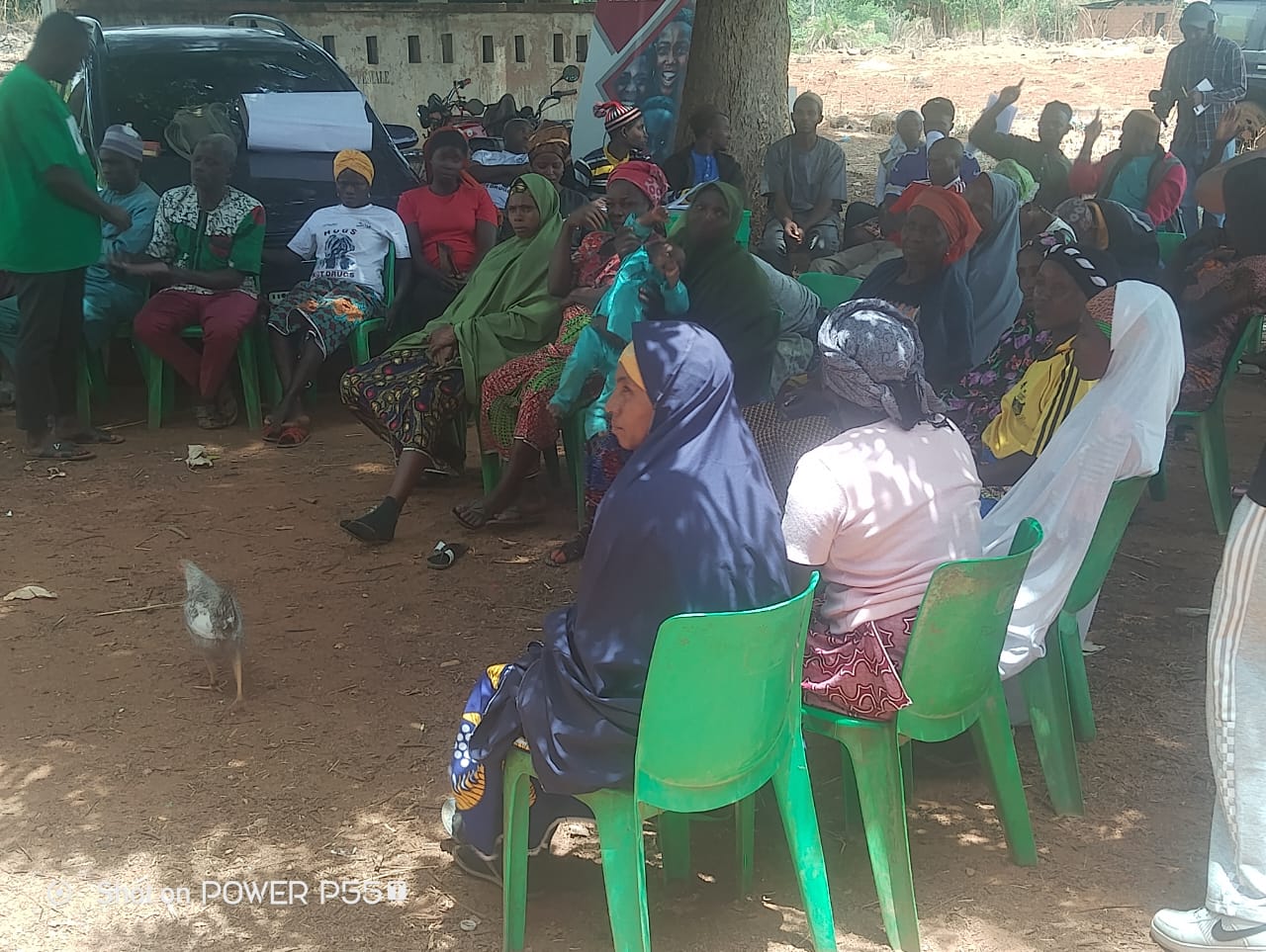
Jos — Leaders of the Bangai Berom farming community and the Bangai Fulani herding community in Riyom Local Government Area of Plateau State have adopted a joint communiqué outlining practical steps to reduce conflict, strengthen cooperation and improve security.
The agreement followed a series of Inter-Community Dialogue Forum (IDF) meetings held on November 20, 2025, January 22 and February 16, 2026, under the Building Bridges for Peace Phase II: From Insight to Action project organised by the Youth Initiative Against Violence and Human Rights Abuse (YIAVHA).
The project is implemented by YIAVHA with support from the Strengthening Peace and Resilience in Nigeria (SPRiNG) Programme, an initiative of the United Kingdom Foreign, Commonwealth and Development Office (FCDO) implemented by Tetra Tech International Development.
The dialogue brought together traditional rulers, youth and women leaders, religious figures, development associations, teachers and persons with special needs from both communities to address longstanding tensions linked to land use, grazing routes and livelihoods.
The communiqué identified key drivers of conflict, including disputes over farmland access, crop destruction, livestock losses, exclusionary practices and limited access to basic services.
It also highlighted mistrust, inflammatory narratives, criminality and rising substance abuse among young people as factors escalating violence.
As part of the resolutions, both communities agreed to prioritise early reporting of incidents through designated representatives to enable dialogue and mediation before escalation to formal authorities.
The herders committed to responsible grazing practices, including avoiding farm encroachment and refusing to shield individuals involved in violations, while farmers pledged to intensify efforts to curb drug circulation within their communities.
Both sides also agreed to jointly address substance abuse by developing inclusive by-laws regulating drug sales and consumption, while increasing awareness of its impact on peace and security.
They further resolved to engage the Riyom Area Education Office to advocate improved staffing for nomadic schools serving pastoralist populations, and to discourage the burning of farm residues after harvest in order to promote sustainable practices.
To sustain the gains, elders from both communities are to establish an eight-member land access committee to address disputes and prevent escalation.
They also agreed to convene monthly joint meetings, alongside youth and women representatives, to review security and development concerns.
Women leaders pledged to organise regular joint engagements to strengthen peacebuilding efforts, counter hate speech and promote awareness on substance abuse, while also engaging religious and community leaders to reinforce messages of tolerance and inclusion.
Youth representatives committed to organising awareness campaigns on conflict prevention and the dangers of violence.
They also agreed to establish a Joint Patrol Committee comprising six members drawn equally from both communities to monitor incidents such as farm destruction and livestock harm.
The committee will serve as the first point of contact for reported cases, working collaboratively across community lines to assess situations and recommend appropriate responses.
The communiqué was endorsed by representatives of traditional councils, women and youth groups from both communities, with support from the Plateau State Peace Building Agency and YIAVHA.
Signatories from the Bangai Berom community included Chairman of the Bangai Berom Development Association, Godwin Musa; Hannatu Timothy, women representative; and Bulus Pam, youth leader.
From the Bangai Fulani community, the communiqué was signed by the Ardo, Ahmad Adamu-Galadima; Khadija Ishiaku, women representative; and Yusuf Sa’idu Kadarko, youth representative.
The accord is expected to serve as a framework for sustained dialogue and collective action aimed at fostering peaceful coexistence in the area.
Disclaimer
Comments expressed here do not reflect the opinions of Vanguard newspapers or any employee thereof.