
By Rasheed Sobowale
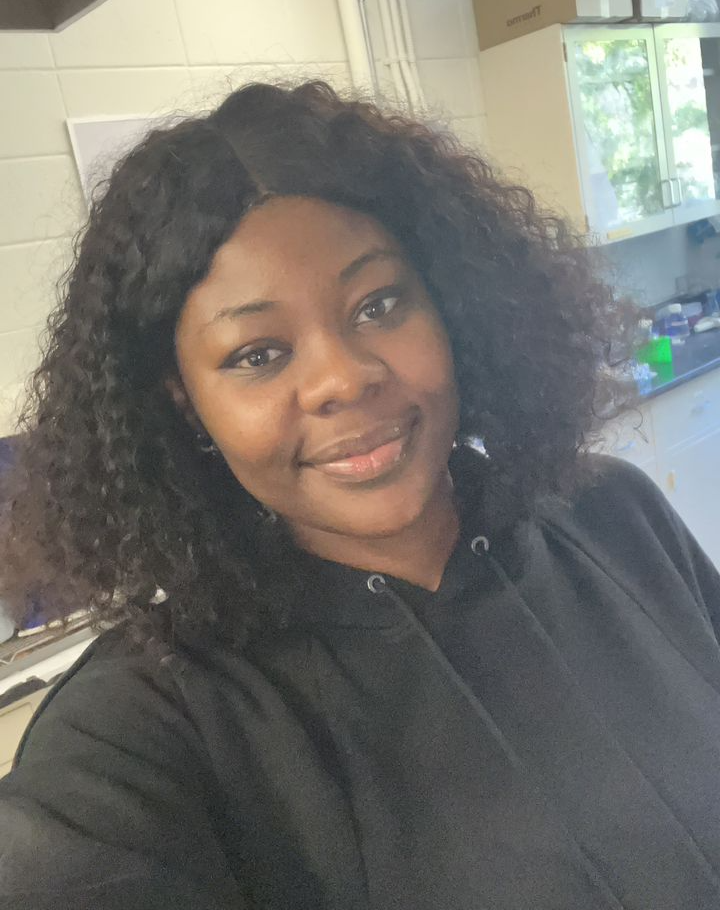
A Nigerian-born scientist, Patience Nneka Chukwu, is gaining recognition in the field of nanomedicine as her research explores new ways to treat complex diseases through advanced drug delivery and neural repair systems.
Chukwu, a Ph.D. candidate in bioengineering at Lehigh University, is working at the intersection of biology, engineering, and data science—an area increasingly seen as critical to the future of global healthcare innovation.
Her research focuses on how engineered nanomaterials, particularly single-walled carbon nanotubes (SWCNTs), can be used to transport therapeutic agents directly into cells. By studying how these materials interact with neural progenitor cells, she aims to uncover mechanisms that could transform treatment approaches for neurodegenerative diseases and tissue repair.
“At the nanoscale, we are beginning to understand how materials can be engineered not just to interact with cells, but to influence how those cells behave and differentiate,” Chukwu said.
Central to her work is the investigation of the scavenger receptor class A (SR-A1), a biological pathway believed to play a key role in how nanomaterials are absorbed by cells. Using tools such as proteomic analysis, microscopy, and bioinformatics, she is mapping how these interactions could be harnessed for medical applications.
“The goal is to move beyond conventional drug delivery methods and develop systems that are more precise, efficient, and responsive to biological environments,” she added.
Experts say such research could have far-reaching implications for precision medicine, particularly in the treatment of neurodegenerative conditions and the development of targeted therapies.
Beyond the laboratory, Chukwu has also contributed to scientific literature, authoring and co-authoring studies on nanoparticle transport across endothelial barriers, vaccine storage and distribution systems, and DNA barcoding of medicinal plants.
Her work, she explained, is guided by a commitment to real-world impact. “Science should not exist in isolation. It should translate into solutions that improve healthcare systems and reach people, especially in underserved communities,” she said.
Chukwu’s academic journey began in Nigeria, where her early interest in biotechnology set the foundation for her current research path. Moving to the United States allowed her to expand into interdisciplinary studies combining molecular biology, materials science, and computational analysis.
Her contributions have earned her recognition, including the Gotshall Fellowship in 2025 and several academic excellence awards.
In addition to her research, she plays an active role in mentoring and supporting emerging scientists, further strengthening her influence within the academic community.
With growing global interest in precision medicine and advanced biomaterials, Chukwu believes her work aligns with broader scientific priorities.
“We are at a point where integrating disciplines is no longer optional—it is necessary for solving the most complex health challenges of our time,” she said.
As she continues her doctoral studies, Chukwu is positioning herself among a new generation of scientists working to reshape how diseases are treated and how medical technologies are developed.
“My vision is to develop technologies that not only push scientific boundaries but also improve lives in tangible ways,” she said.
Disclaimer
Comments expressed here do not reflect the opinions of Vanguard newspapers or any employee thereof.