
By Adesina Wahab
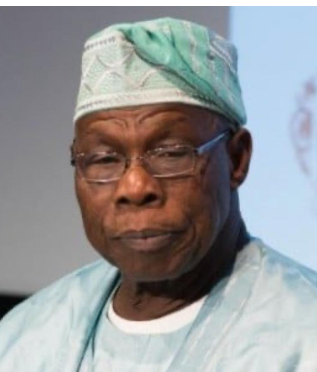
The Olusegun Obasanjo Leadership Institute (OOLI) has celebrated its Founder’s Day in honour of its Founder, Chief Olusegun Matthew Okikiola Aremu Obasanjo, as he celebrated his 89th birthday – an occasion that underscored his enduring legacy of leadership, service, and institution building in Nigeria, Africa, and the wider world.
Born on 5 March 1937, Chief Obasanjo has served as both Military Head of State (1976–1979) and democratically elected President of Nigeria (1999–2007), playing a pivotal role in the country’s first peaceful transfer of power to civilian rule in 1979 and in consolidating democratic governance at the turn of the millennium.
At 89, Chief Obasanjo continues to frame his life as a testimony to divine grace and a call to remain useful to humanity.
Speaking at his 89th birthday celebration and the maiden Founder’s Day of OOLI, held at the Olusegun Obasanjo Presidential Library in Abeokuta, he described the day as “more about the grace of God than about age,” insisting that longevity is a responsibility to keep serving society.
Reflecting on decades of public service, from command in the Nigerian Civil War to democratic leadership and post presidency engagement, he has consistently argued that Africa’s greatest challenge is not a lack of resources, but a deficit of visionary, principled leadership and strong institutions.
Established to respond directly to this leadership gap, the Olusegun Obasanjo Leadership Institute is dedicated to nurturing a new generation of ethical, competent, and visionary leaders across sectors. The Institute designs and delivers programmes that emphasise integrity, discipline, service, and institutional strengthening as foundations for sustainable development.
In these and other programmes, Chief Obasanjo has shared his 55+20 Leadership Framework—55 attributes and 20 values that define effective leadership, including being a listener, enquirer, transformer, and visionary, grounded in values such as dependability, gratitude, and self discipline.
This year’s Founder’s Day and 89th birthday commemoration also highlight key milestones in Chief Obasanjo’s leadership journey and OOLI’s evolution:
Decades of national leadership: From his stewardship during the Nigerian Civil War to his role in handing over power to a civilian administration in 1979, and later guiding Nigeria’s return to democracy in 1999, Chief Obasanjo has been central to some of the country’s most defining transitions.
Global African statesmanship: Widely regarded as “Baba Africa,” he has been a prominent voice on regional integration, peacebuilding, and governance reform, championing initiatives such as the African Continental Free Trade Area as vehicles for continental renewal.
Institution building through OOLI: The Institute’s growing portfolio of programmes for educators, chief executive officers, captains of industries, student leaders, public servants, and professionals reflects a deliberate strategy to move from personality driven leadership to system anchored leadership development that outlives individuals.
Gen Martin Luther Agwai, the Director of Olusegun Obasanjo Leadership, described the Founder as “one of the greatest leaders of this generation, whose impact and contributions to human development are unparalleled.” He emphasised that Chief Obasanjo embodies the rare blend of vision, courage, discipline, empathy, strategic intelligence, and moral clarity that defines transformational leadership.
Prof. Adedeji Daramola noted that the Founder’s ability to unite diverse communities, inspire collective purpose, and navigate complex national and global challenges sets him apart as a statesman of extraordinary depth. He added that OOLI itself stands as a living testament to Chief Obasanjo’s values, integrity, excellence, accountability, resilience, and service to humanity, and continues to transmit these qualities to emerging leaders across Africa and beyond.
The Alumni Association of the Olusegun Obasanjo Leadership Institute joined in celebrating the Founder on this special day, honouring not only the arrival of another year but the extraordinary legacy he has built as a visionary leader—both in the classroom and on the global stage. His unwavering dedication, far-reaching achievements, and enduring values continue to shape societies from Africa to the wider world.
From his role in democratic struggles to his service as a Peace Mediator, Global Ambassador, AU Leader, and Afro-Democracy Pathfinder, Chief Obasanjo exemplifies transformative leadership. As Chairman of the Board of Trustees of OOLI, he continues to inspire and equip individuals to become world-class leaders delivering positive impact across continents.
The Haitian Ambassador to South Africa, Jean Robert Pillard, spoke passionately about President Obasanjo’s enduring legacy in championing the unity of African states. He highlighted Obasanjo’s pivotal role in fostering regional cooperation, strengthening continental institutions, and advancing the vision of a united Africa through diplomacy, leadership, and strategic engagement.
Marking Major Milestones and Leadership Anniversaries
This year’s Founder’s Day also highlights significant milestones in Chief Obasanjo’s leadership journey: 47 years since his historic handover of power to a civilian government in 1979, setting a democratic precedent.
27 years since his election as President in 1999, guiding Nigeria’s return to democratic rule.
Continued global leadership, including mediation roles, continental advocacy, and contributions to international development dialogues.
The strengthening of OOLI as a legacy institution, ensuring that leadership excellence becomes a generational inheritance.
Addressing participants at recent OOLI programmes, Chief Obasanjo reiterated that “a single well formed leader can change the course of history,” urging graduates to see their certificates not merely as credentials but as mandates to serve with integrity and courage.
He emphasised that Africa’s future depends on leaders who understand the burden and blessing of leadership – leaders who are prepared to make difficult decisions, strengthen institutions, and place the public good above personal gain.
President Obasanjo is scheduled to address the new cohort of participants in the Executive Programme on 28 March 2026 at the Institute. This distinguished group of participants has been selected from diverse professional backgrounds across Africa, Europe, and other continents.
Disclaimer
Comments expressed here do not reflect the opinions of Vanguard newspapers or any employee thereof.