
By Favour Ulebor, Abuja
Stakeholders in Nigeria’s industrial sector have called for wider adoption of Industrial Energy Efficiency (IEE) and Resource Efficient and Cleaner Production (RECP) practices, noting that these measures can reduce production costs, enhance competitiveness, and support sustainable industrial growth.
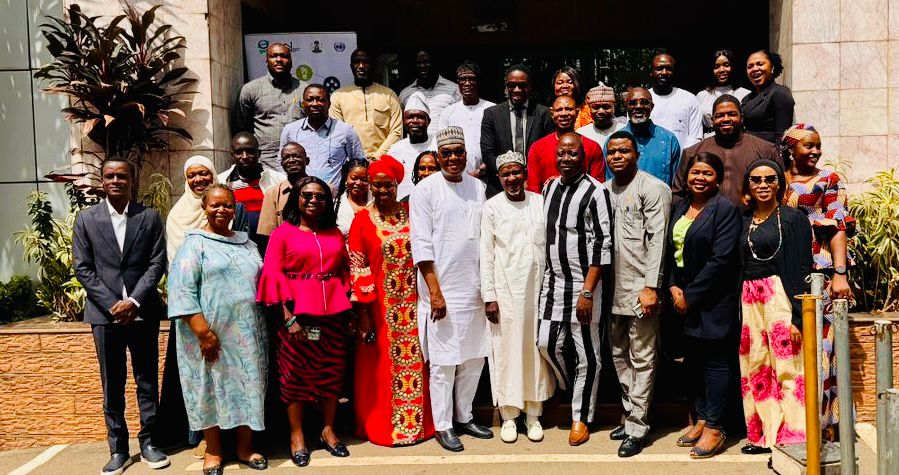
The event organized under the GEF–UNIDO Industrial Energy Efficiency and Resource Efficient and Cleaner Production (IEE & RECP) Project, themed Project-Specific Interactive Session and Efficiency Champions Competition, held on Monday in Abuja.
National Project Coordinator, Jacob Oladipo, highlighted that the session provided a platform to review the progress of the IEE and RECP project, share outcomes, and explore opportunities for scaling sustainable industrial practices across Nigeria.
He emphasized the role of capacity building, technical support, policy engagement, and innovative financing in promoting energy efficiency and cleaner production.
Global Environment Facility, GEF, Desk Officer, Kabiru Jedda, commended participating industries; ranging from SMEs to large companies, for their commitment to sustainability.
He acknowledged the guidance of UNIDO and the Manufacturers Association of Nigeria in ensuring successful project implementation and called for continued collaboration among stakeholders to enhance learning, address challenges, and identify opportunities for improvement in the industrial sector.
Representing the Nigerian Association of Chambers of Commerce, Industry, Mines and Agriculture (NACCIMA), Mr. Kunle Fadare, stressed the importance of recognizing and rewarding businesses that take concrete steps toward energy efficiency and cleaner production.
He noted that initiatives such as the Efficiency Champions Competition create a demonstration effect, encouraging other companies to adopt sustainable practices while positioning Nigerian industries competitively in global markets.
Also representing the Director General of NECA, Mr. Femi Paul, highlighted that while N825 million in clean energy financing deployed through the Bank of Industry has yielded measurable results, including lower production costs and improved operational efficiency; there remains a significant gap given the scale of the Nigerian industrial sector.
He emphasized that technical capacity building must accompany financing to ensure businesses can effectively implement energy-efficient and cleaner production measures.
Professor from the Bayero University, Kano, Nasir Isah, described the project as timely and transformative for Nigeria’s development agenda.
He noted that the university has actively engaged industries in Kano and surrounding areas to participate in the IEE and RECP programme since 2021, supporting wider adoption of sustainable industrial practices.
The session concluded with a consensus on the need for continued collaboration between government, development partners, and the private sector.
Stakeholders agreed that expanding energy-efficient and cleaner production practices, especially among micro, small, and medium enterprises (MSMEs), is critical to ensuring long-term industrial growth, environmental sustainability, and global competitiveness.
Disclaimer
Comments expressed here do not reflect the opinions of Vanguard newspapers or any employee thereof.