
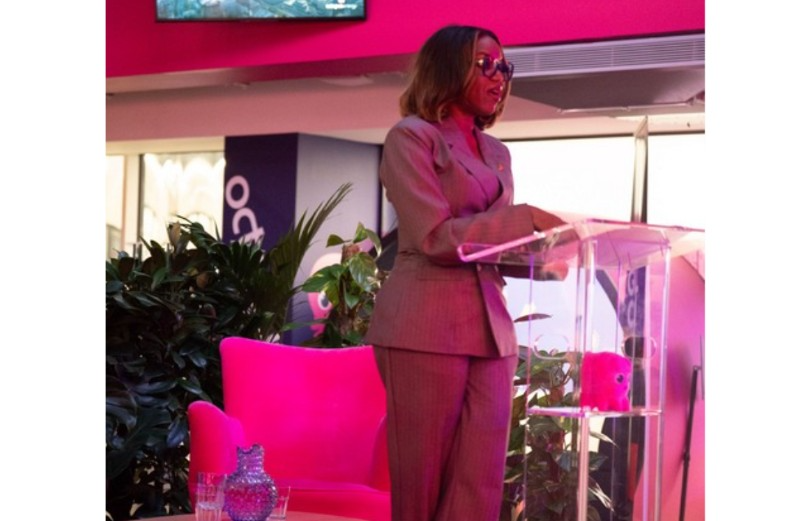
The Chief Executive Officer of Sustainable Energy for All and United Nations Special Representative of the Secretary-General for the organisation, Damilola Ogunbiyi, has called for stronger international cooperation and increased financing to address rising global development challenges.
Speaking at the Global Citizen London Impact Roadshow held at Octopus Energy in the United Kingdom, Ogunbiyi warned that the world is facing what she described as a “global development emergency”, citing worsening poverty, climate instability and widening development gaps.
According to her, the latest assessment of the United Nations Sustainable Development Goals shows that only 35 per cent of global targets are currently on track, while nearly half are progressing too slowly and about 18 per cent are moving in reverse.
She noted that more than 800 million people remain trapped in extreme poverty globally, while carbon dioxide levels have reached their highest levels in over two million years.
Ogunbiyi also highlighted growing financial pressures on developing economies, stating that rising debt servicing costs in low- and middle-income countries are diverting resources away from critical sectors such as health, education and climate resilience.
She stressed that no country, regardless of its wealth or influence, can address climate change, pandemics or global financial disruptions alone.
“In a deeply interconnected world, unilateral solutions are illusions,” she said, emphasising that multilateral cooperation remains essential for mobilising resources, sharing innovation and ensuring inclusive global progress.
Ogunbiyi identified three priority areas for renewed global action, including restoring momentum on sustainable development, accelerating inclusive climate action and rebuilding trust in international cooperation.
She explained that many emerging markets and developing economies face high borrowing costs and limited fiscal space despite the availability of global capital, which often fails to reach countries where development needs are greatest.
According to her, the international community must scale up concessional financing, deploy risk-mitigation tools and expand partnerships between governments, private investors and philanthropic organisations to mobilise capital at the required scale.
Ogunbiyi further noted that the energy sector accounts for about three-quarters of global emissions, adding that transitioning to low-carbon energy systems could significantly reduce emissions while also creating jobs and expanding economic opportunities.
She also stressed that trust remains the foundation of global cooperation, warning that without it, international agreements weaken and collective action becomes fragmented.
Reflecting on historical precedents, Ogunbiyi said major international institutions were built during periods of global crisis and urged leaders to treat current challenges as an opportunity to renew cooperation.
“The stakes are nothing less than the future of jobs, energy systems, food security, industrial transformation and human dignity,” she said.
She called on governments, private sector actors and development partners to recommit to multilateralism and shared responsibility in order to accelerate progress towards sustainable development and ensure that no country is left behind.
Disclaimer
Comments expressed here do not reflect the opinions of Vanguard newspapers or any employee thereof.