
By Ebunoluwa Sessou & Matthew Johnson
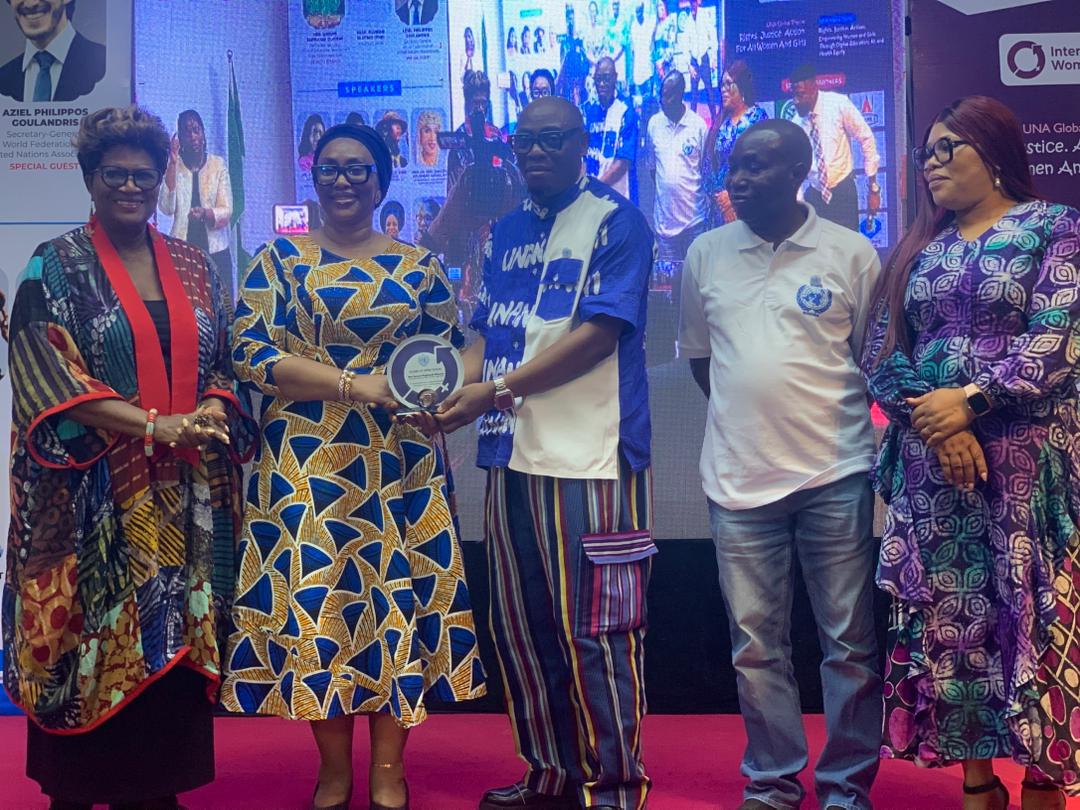
In commemoration of International Women’s Day, the United Nations Association of Nigeria, UNA-Nigeria, in collaboration with the Nigeria Institute of International Affairs, NIIA, has unveiled a high-level forum in Lagos focused on advancing women’s empowerment through digital education, artificial intelligence, and health equity.
The event brought together dignitaries, policymakers, development experts, and civil society actors to reflect on progress made in advancing gender equality, while also examining the gaps that still exist.
Speaking during the programme, the President of UNA-Nigeria, Oluremi Olutimo, described the gathering as part of a broader national awakening aimed at repositioning women and girls as active agents of change rather than passive beneficiaries.
According to him, the theme of the event, ‘Rights, Justice and Action’, captures the urgency of ensuring that women are not only recognised legally but also empowered in practice.
“We are celebrating women across the world, especially in Nigeria. We are passing a clear message that the right things must be done, justice must be served, and women must take action,” he said, noting that the initiative is also designed to encourage solidarity among women and strengthen collective responsibility.
Olutimo stressed that health equity remains a critical component of women’s empowerment, urging greater investment in healthcare systems, including the adoption of digital health solutions and artificial intelligence to improve maternal outcomes and reduce child mortality.
He further called for stronger advocacy to prioritise the health needs of women and girls, maintaining that equitable access to healthcare should not be compromised.
The Permanent Secretary, Office of Sustainable Development Goals, SDGs, Mrs. Kaphaya Olayemi, emphasised that empowerment must go beyond rhetoric to actionable commitments that improve lives.
Citing the United Nations framework, she described gender equality as “the unfinished business of our time,” warning that persistent social and structural barriers continue to hinder progress.
Olayemi outlined key pillars necessary for advancing women’s rights, including legal protection, access to justice, economic inclusion, and institutional reforms. According to her, rights must not remain theoretical but must be reflected in everyday realities.
“Rights must not only exist on paper but must be experienced in the daily lives of women and girls,” she said.
She highlighted several initiatives by the Lagos State Government aimed at bridging gender gaps, particularly in the digital economy. These include programmes designed to improve women’s access to financial services, digital tools, vocational training, and entrepreneurship support.
She also noted efforts such as skills acquisition centres under the Ministry of Women Affairs and Poverty Alleviation, digital literacy training for women, and financial inclusion partnerships with fintech firms to expand access to banking services among grassroots women.
Also speaking, former Executive Director of the Nigerian Network of NGOs, Mrs. Yemisi Kuti, challenged women to take greater responsibility as drivers of societal transformation, stressing that empowerment must begin from the home through deliberate efforts to raise a generation grounded in values of respect, equity, and self-reliance.
She urged mothers and families to intentionally raise boys and girls with a strong sense of justice and mutual respect, noting that women are not victims but central actors in human development.
“Equipping children with life skills, ethical values, and a culture of shared responsibility is critical to achieving the Sustainable Development Goals,” she said.
In his remarks, a member of the Board of Trustees, Mr. Chika Nwaozuzu, called for urgent collaboration among governments, institutions, and individuals to bridge the digital divide and promote inclusive participation in artificial intelligence and health systems.
He emphasised that while technology continues to shape the future, many people remain excluded, stressing the need for deliberate policies that ensure no one is left behind.
Disclaimer
Comments expressed here do not reflect the opinions of Vanguard newspapers or any employee thereof.