
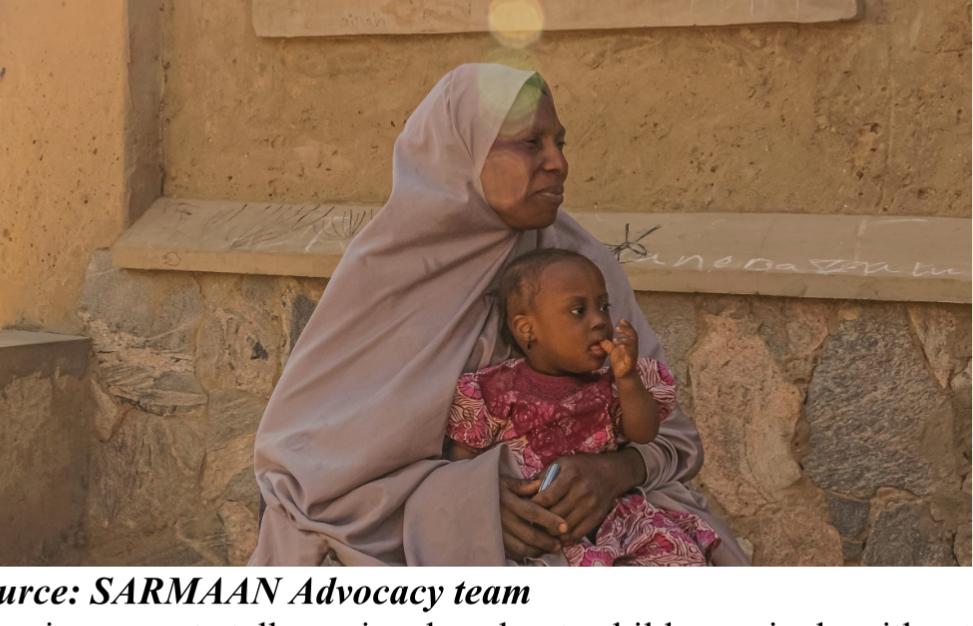
Obstetrician and Gynecologist, Dr. Zeenat Abdullahi, has said that for Nigeria’s fight against child mortality to be meaningful, maternal healthcare must be prioritised.
She emphasized that healthy pregnancies and safe deliveries are only the beginning, and what happens to mothers and their children in the months and years after birth often determines whether a child survives to their fifth birthday.
Nigeria’s latest Demographic and Health Survey shows that 110 out of every 1,000 children die before age five, roughly one in nine,placing the country among the highest under-five mortality rates in the world.
Maternal mortality remains similarly high, highlighting the shared vulnerabilities of mothers and children.
Dr. Abdullahi explained, “Mothers who are healthy during pregnancy and postpartum can provide hands-on care to their infants: ensuring proper nutrition, safe cord care, and early detection of health or developmental concerns. When mothers are supported and well, children are far more likely to survive and thrive.”
Despite progress in safe deliveries, families often return to communities where clinics are distant, clean water is scarce, and preventable diseases like pneumonia, diarrhoea, and malaria remain constant threats. Two mothers may leave the same hospital with healthy newborns; months later, only one child may survive because only one mother could consistently access ongoing care.
Evidence shows that interventions such as full immunisation, exclusive breastfeeding, vitamin A supplementation, insecticide-treated bed nets, and prompt treatment of common illnesses could prevent most under-five deaths if delivered reliably. Success requires sustained support for mothers throughout the first five years of a child’s life.
Programs like SARMAAN aim to fill this gap by providing biannual azithromycin mass drug administration to children aged one to 59 months in high-risk communities. Trials in the Sahel, including Niger, suggest this intervention can reduce all-cause child mortality by 14–18 percent in high-burden settings.
“By building on trust created during antenatal care, delivery, and postnatal visits, initiatives like SARMAAN extend maternal care into early childhood while generating data to guide policy,” Dr. Abdullahi said.
With less than a decade to meet global maternal and child health targets, Dr. Abdullahi emphasized that treating maternal and child health as a continuous investment is essential. “Backing mothers through sustained support is the most practical way to close the deadly gap between a safe delivery and a child’s fifth birthday.”
Disclaimer
Comments expressed here do not reflect the opinions of Vanguard newspapers or any employee thereof.