
Maiha
By Gabriel Ewepu
ABUJA – THE Federal Government has reiterated its commitment to repositioning the National Veterinary Research Institute (NVRI) to strengthen local vaccine production, enhance animal disease control, and drive private sector-led growth within the livestock industry.
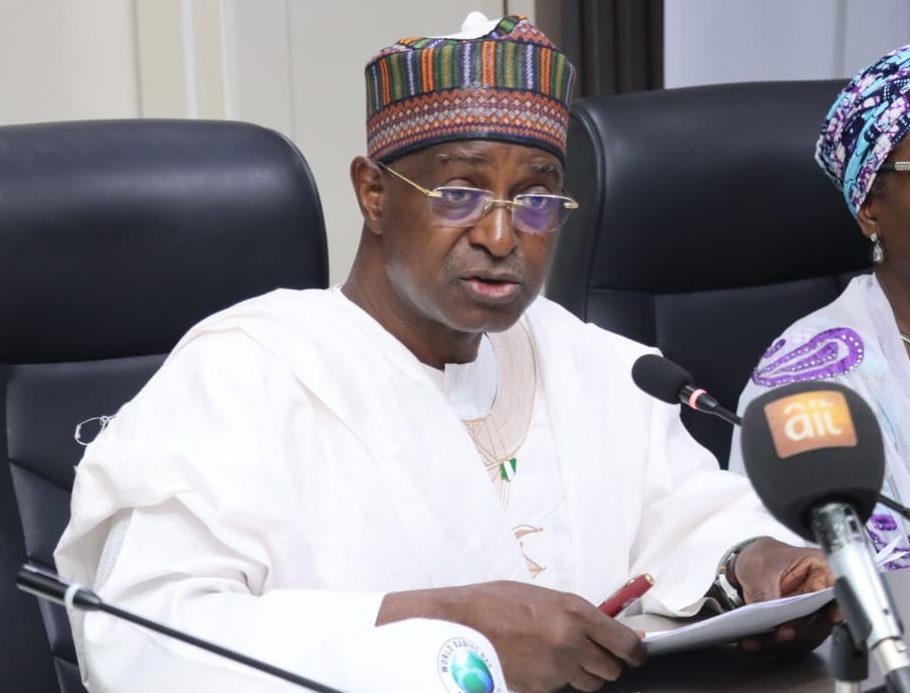
According to a statement signed by the Head, Press and Public Relations, Oghenekevwe Uchechukwu, the assurance was given by the Minister of Livestock Development, Idi Maiha, during the Institute’s three-day Top Management Retreat held from March 3 to 5, 2026.
The retreat brought together senior management staff to assess institutional performance, identify operational gaps, and outline strategic reforms for the century-old establishment.
Speaking at the event, Maiha observed that despite operating for over 100 years, NVRI currently satisfies less than 40 per cent of Nigeria’s domestic animal vaccine demand.
He described the shortfall as both a pressing challenge and a significant opportunity for reform and expansion.
Meanwhile, the Minister revealed that Nigeria spends approximately $1.5 billion annually on vaccine imports, underscoring the urgency of boosting domestic production capacity.
He tasked the Institute with aligning its operations to national economic priorities, with a target of cutting the country’s vaccine import bill by at least $500 million by 2030.
He further stressed that structured private sector investment and strategic partnerships would be crucial to ensuring the Institute’s sustainability, commercial viability, and long-term growth.
He noted that effective animal disease management remains central to unlocking the full potential of Nigeria’s livestock economy.
According to him, persistent transboundary and endemic animal diseases continue to restrict the country’s access to high-value regional and international red meat markets.
The Minister estimated that Nigeria’s beef industry has an export potential of about $3.2 billion, a figure he said can only be realised through strengthened vaccine production, robust surveillance systems, and improved diagnostic capacity.
In his remarks, the Chief Veterinary Officer of Nigeria, Samuel Anzaku, described NVRI as one of the nation’s most strategic animal health institutions. He noted that the Institute plays a vital role in disease diagnosis, surveillance support, vaccine production, and the provision of scientific advisory services to Nigeria and neighbouring countries.
“The Office of the Chief Veterinary Officer depends heavily on NVRI’s technical outputs to meet both national and international obligations,” Anzaku said. “Timely, accurate, and well-structured laboratory data are critical for early warning systems, risk assessment, outbreak response, international reporting, and informed policy formulation.”
Also speaking, the Acting Executive Director of NVRI, Nicholas Nwankpa, explained that the retreat was convened to evaluate the Institute’s current capacity, address operational shortcomings, and develop innovative strategies aligned with the vision of the Federal Ministry of Livestock Development.
He outlined NVRI’s core mandate to include vaccine production, research and development on emerging and re-emerging animal diseases, provision of national diagnostic services, and extension support to livestock farmers.
The retreat, themed “Strengthening Our Mandate through Enhanced Stewardship, Transformational Leadership and Strategic Institutional Capacity Training,” is expected to generate actionable reforms aimed at transforming NVRI into a globally competitive veterinary research and vaccine production hub, in line with Nigeria’s broader livestock transformation agenda.
Disclaimer
Comments expressed here do not reflect the opinions of Vanguard newspapers or any employee thereof.