
By Peter Duru, Makurdi
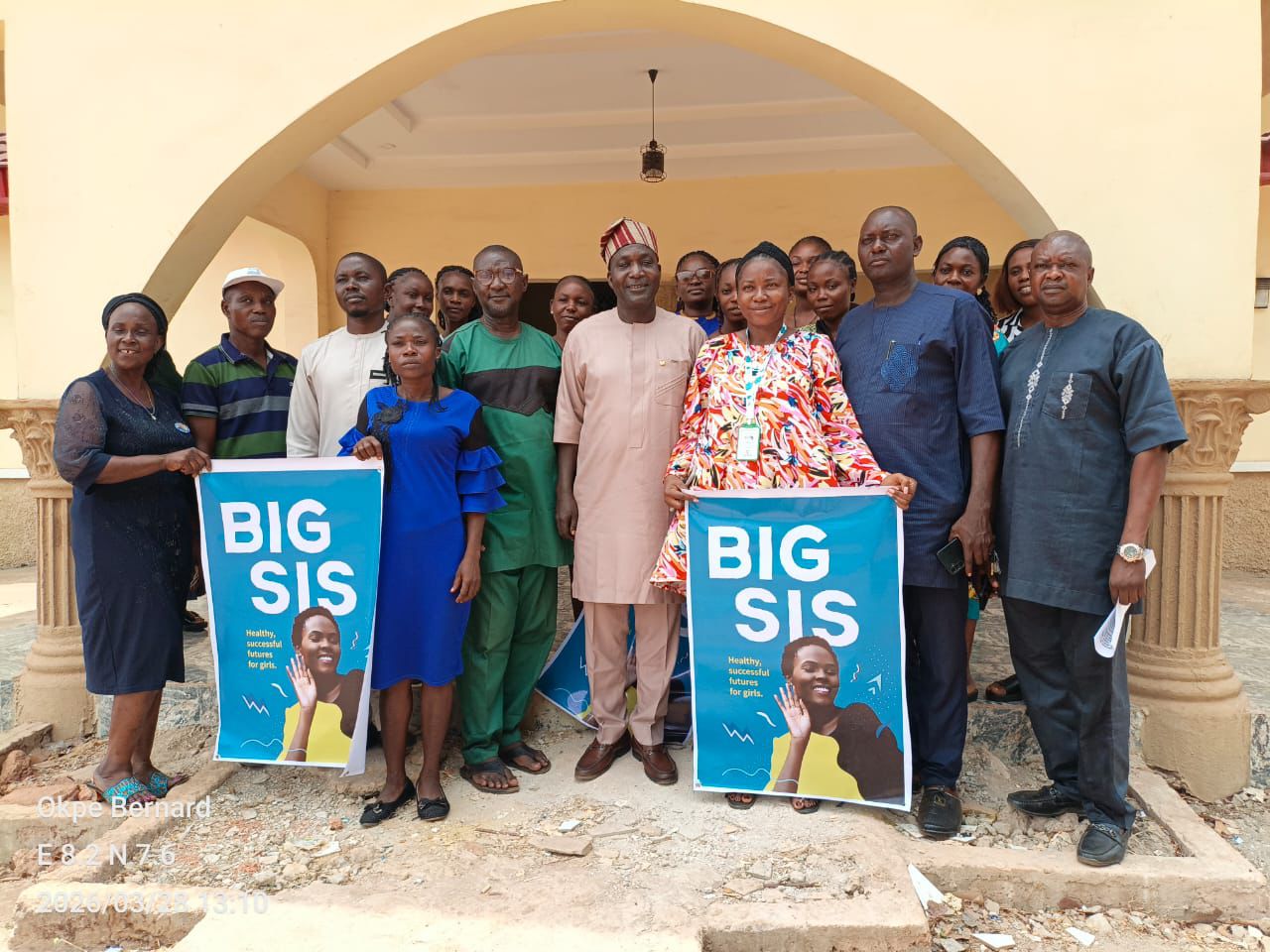
The Benue State Ministry of Health and Human Services has rollout the Big Sister Mentorship Training under the Access to Comprehensive Care and Essential Support Services (ACCESS) Programme as part of efforts to reduce maternal mortality and improve adolescent sexual and reproductive health.
The initiative, implemented in partnership with development organisations including
West and Central Africa Health Option, WCAHealth, Solina Group, and Ipas, is aimed at empowering communities through education, mentorship, and stronger links to healthcare services.
It also targets adolescent girls and young women, addressing challenges such as unsafe abortions, teenage pregnancies, and limited access to reproductive health information.
Speaking at the training for selected participants in Gwer-West and Okpokwu Local Government Areas, LGAs, of the state, the Commissioner for Health and Human Services, Dr. Paul Ogwuche, described the programme as a critical grassroots intervention.
“This initiative is a strategic, community-driven effort to strengthen our health system at the grassroots and improve access to essential services for adolescents and young women,” Ogwuche said.
He explained that the training would equip participants, known as “Big Sisters,” with the knowledge and leadership skills needed to serve as peer educators and community health advocates.
“These Big Sisters will be trained to provide guidance on reproductive health, family planning, maternal and newborn care, nutrition, hygiene, and the prevention of sexually transmitted infections, while also facilitating timely referrals to health facilities,” he added.
According to the commissioner, the programme is designed to bridge the gap between communities and healthcare providers by promoting early health-seeking behaviour and establishing effective referral systems.
He noted that the initiative aligns with the state government’s broader health agenda, including the revitalisation of primary healthcare and progress toward the Sustainable Development Goals, particularly Goal 3 on good health and well-being and Goal 5 on gender equality.
He explained that the Big Sister Mentorship Training is being implemented in collaboration with the Federal Ministry of Health and Social Welfare, the National Primary Health Care Development Agency (NPHCDA), and the Sector-Wide Approach (SWAp) Coordination Office and being launched simultaneously in Benue, Enugu, and Taraba States as part of the ACCESS Programme.
“A total of 60 Big Sisters, 20 from each participating state are being trained and deployed to their wards to mentor and guide adolescent girls known as ‘Little Sisters.’ Through this model, community women will provide accurate Sexual and Reproductive Health and Rights (SRHR) information, facilitate referrals to adolescent-friendly primary healthcare facilities, and help reduce stigma surrounding adolescent health-seeking behaviour,” he said.
Ogwuche noted that cultural and social barriers often limit adolescents’ access to healthcare, stressing that the mentorship model leverages trusted community figures to influence positive health decisions.
“By investing in respected women within communities, we are addressing barriers that prevent young people from accessing care and ensuring that accurate information reaches households directly,” he said.
According to him, the ACCESS Programme, a Federal Government initiative, seeks to expand access to comprehensive sexual and reproductive health services, with a strong focus on adolescents and young people. WCAHealth leads community engagement and demand-generation activities as a technical implementation partner, working alongside the Benue State Government to ensure successful implementation.
The Ministry reiterated its commitment to providing an enabling environment for partners, strengthening health facilities, and supporting community-based innovations that would improve health data, outcomes, and service uptake across the state.
Participants were urged to actively engage in the training and replicate the knowledge gained within their communities.
Disclaimer
Comments expressed here do not reflect the opinions of Vanguard newspapers or any employee thereof.