
From last week continues the narrative of the arrest and detention of several labour and pro-democracy activists, among them NADECO members, by the Abacha regime. There were also court dramas, including the trial of Chief MKO Abiola on treason charges.
There were no known instances of forced exile as a means of political control, although several NADECO members, including Senator Bola Tinubu, retired Air Commodore Dan Suleiman, Nobel Laureate Professor Wole Soyinka, and elder statesman and senior NADECO figure, Chief Anthony Enahoro, lived in self-imposed exile. Other activists such as Owens Wiwa, brother of executed minority rights activists Ken Saro- Wiwa, and his wife Diana joined them.
In practice, tribunal proceedings often deny defendants due process as in the trial before the Ogoni Civil Disturbances Special Tribunal of Ken Saro Wiwa and others for their alleged roles in the killings of four prominent Ogoni politicians in May 1994. On October 31, 1995, the Tribunal announced guilty verdicts and death sentences for Saro-Wiwa and eight other activists. The PRC “confirmed” this decision on November 8, 1995, and quickly executed all nine on November 10, 1995. In that case, the Government refused to comply with a tribunal order to produce a videotape recorded on May 22, 1994, with Rivers State governor, Lt. Colonel Dauda Komo, who proclaimed that Saro-Wiwa was “guilty of murder”. This led the 18-member defense team, led by Abdul- Ganiyu Fawehinmi SAN 22 April 1938 – 5 September 2009), to withdraw in protest. Included in the team were Femi Falana SAN (67) and Oronto Douglas (1966-2015).
In May 1997, the National Broadcasting Commission banned Ray Power, a private Lagos radio station, from transmitting British Broadcasting Corporation (BBC) programmes. Throughout 1997 and 1998, government security agents frequently harassed, arrested, and detained journalists. Four journalists convicted of involvement in an alleged 1995 coup plot remained in prison. The government detained without charge Nosa Igiebor, editor in chief of Tell Magazine. In March, the government briefly detained Emeka Omeihe, editor of the newspaper Daily Champion, and three top editorial staff of THE GUARDIAN newspaper over reports in their newspapers that the Directorate of Military Intelligence (DMI), had ruled out sabotage in the presidential plane crash in January that killed Ibrahim Abacha, the Head of State’s son.
Others detained for shorter or longer periods, usually without charge, included Bunmi Aborishade, editor of the defunct weekly June 12; in May, George Onah, defense correspondent of the Vanguard Newspaper, Tunji Adegboyega, editor of THE PUNCH, for a front-page story relating to the arson attack on the home of one of the prominent NADECO members in self-exile; Kate Odigie-Oyegun, the general manager of the newspaper company that publishes THE OBSERVER, over a story that speculated about changes in the military following large scale military promotions to the rank of general; in August, Alphonsus Agborh, THE PUNCH’S Port Harcourt correspondent, for a story concerning imported arms; and in September, Ola Awoniyi, Abuja bureau chief for THE NIGERIAN TRIBUNE, after reporting allegations of espionage and corruption in the Air Force.
Virtually all senior editors of the weeklies, Tell, Dateline, The News (Bayo Onanuga and Femi Ojudu), Tempo, the Daily A.M. News were subjected to surveillance and harassment by security agents.
Security forces routinely seized entire runs of Tell Magazine when cover stories offended the government. Agents harassed and intimidated vendors and printers to the point that in some parts of the country, Tell was no longer available. The seizures and intimidation caused great financial distress for Tell and were partially responsible for the weekly’s decision to discontinue publication of its sister magazine, Dateline.
Throughout 1997, the government routinely seized the passports of its critics, including those of Movement for the Survival of Ogoni People, MOSOP, Vice President, Ledum Mitee, CLO President, Ayo Obe, National Association of University Women President and African- American Institute programme representative, Clara Osinulu, lawyer Priscilla Kuye; United Nations hunger award recipient, Chief Bisi Ogunleye; and human rights activists, lawyer and CLO co-founder, Chief Olisa Agbakoba, SAN. In an attempt to install General Abacha as the sole presidential candidate, Mr. Max Siollun is our guide. The National Committee of Youth Associations, NACYAN, published pro-Abacha advertisements in several newspapers in 1998. They called for a “Two Million Man March” on March 3-4, 1998, a 48-hour carnival during which there would be ‘No school, no work, no sleep’.
Daniel Kanu was the chairman of Youths Earnestly As for Abacha, YEAA. Kanu and YEAA threatened to go on a hunger strike and to make Nigeria ‘ungovernable’ if Abacha did not agree to continue in power. Mr. Kanu said: ‘We will do whatever it takes to ensure Abacha continues’.
To be concluded
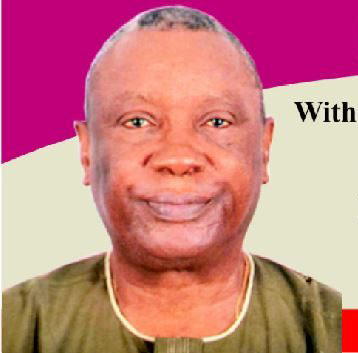
•Teniola, a former director at the Presidency, wrote from Lagos.
Disclaimer
Comments expressed here do not reflect the opinions of Vanguard newspapers or any employee thereof.