
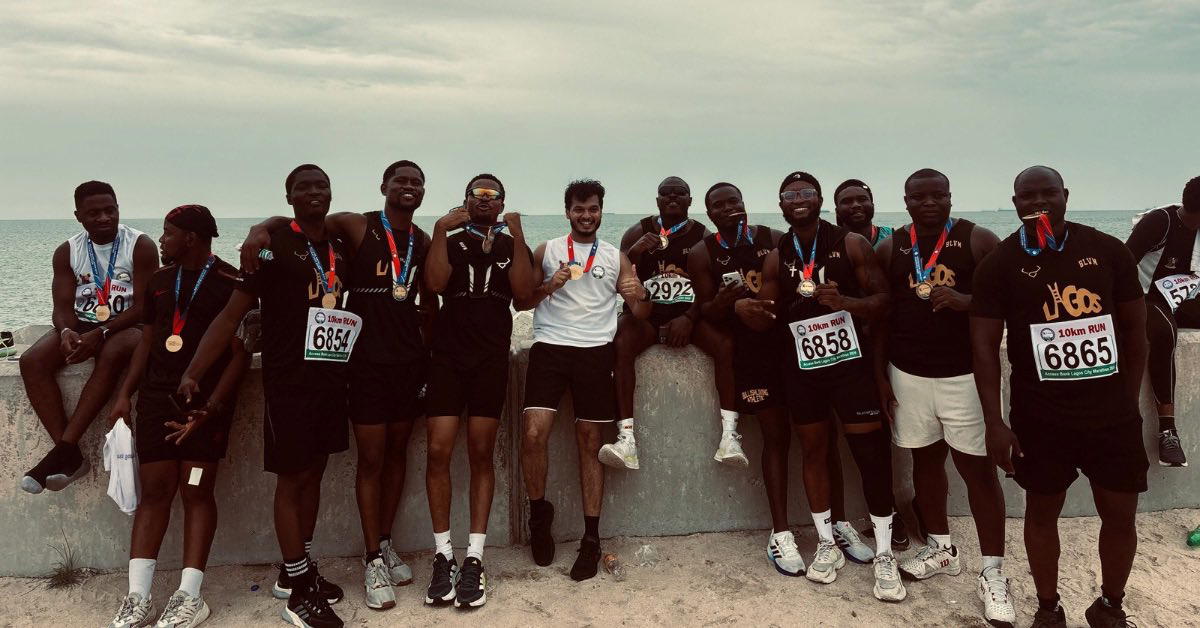
BLVN athletes.
By Kenneth Oboh
The Access Bank Lagos City Marathon is over. The medals have been earned.
The finish-line photos have been posted.
The streets of Lagos have returned to normal.
But the future of running in Nigeria depends on what happens after race day.
If we truly want a healthier nation, a stronger youth population, and a thriving Nigerian fitness industry, we must amplify running culture in Nigeria beyond one annual marathon event.
The marathon sparked momentum, now consistency must sustain it.
The Problem: Nigerians Celebrate Events, Not Habits
The Access Bank Marathon trends every year. Photos go viral.
Momentum spikes. Then it fades.
But real transformation happens in the quiet mornings after the hype.
If running in Nigeria is to grow sustainably, we must normalize:
• Weekly long runs
• Midweek training sessions
• Beginner-friendly running clubs
• Fitness conversations beyond aesthetics
• Preventive health awareness
Running culture must live in neighborhoods — not just on marathon routes.
The Rise of Running in Nigeria
Over the past few years, running in Lagos and across Nigeria has grown rapidly.
• More weekend running clubs
• More amateur long-distance runners
• More participation in 10KM and 42KM races
• More conversations around fitness and preventive health
The Access Bank Marathon has become a major catalyst for this growth. It brings global visibility and local excitement.
But culture is not built on excitement alone. It is built on repetition.
For running culture in Nigeria to truly grow, it must extend beyond race day into weekly habits, neighborhood communities, and daily training routines.
Why Running in Nigeria Matters More Than Ever
- Running Improves Public Health in Nigeria
Nigeria is experiencing rising cases of:
• Hypertension
• Obesity
• Diabetes
• Stress-related illnesses
Regular running is one of the most accessible forms of preventive healthcare. It requires minimal equipment, no expensive gym membership, and can be done almost anywhere.
If more Nigerians adopt consistent running habits, long-term healthcare pressure reduces, productivity increases, and overall national wellness improves.
Promoting running in Nigeria is not just about fitness — it is about national health strategy.
- Running Strengthens the Nigerian Fitness Industry
The growth of running culture fuels:
• Local running clubs
• Fitness coaches
• Sports physiotherapists
• Nutrition businesses
• Content creators
• Performance wear brands like BLVN
When Nigerians amplify running beyond the Access Bank Marathon, they indirectly invest in the Nigerian fitness economy.
More runners = more demand. More demand = more innovation.
More innovation = stronger local brands. This is how industries grow sustainably.
- Running Builds Mental Toughness and Discipline
Running trains more than the body. It builds:
• Consistency
• Patience
• Goal-setting ability
• Resilience
• Delayed gratification
The discipline required to train for a marathon is the same discipline required to build businesses, pursue careers, and create long-term success.
A strong running culture in Nigeria contributes to a stronger mindset culture.
- Running Creates Community Across Nigeria
One of the most powerful outcomes of the Access Bank Lagos City Marathon was not just the finish line — it was the community.
Strangers became training partners. Training partners became friends.
Weekend long runs, recovery conversations, and shared goals create connection across age, profession, and background.
Running culture builds social cohesion. And that is powerful in any nation.
The Role of Nigerian Performance Brands Like BLVN
Culture needs representation.
If running in Nigeria is becoming a lifestyle movement, Nigerian brands must be part of the story.
BLVN represents a new generation of Nigerian performance wear built for consistency — not just race day.
The BLVN Together Running Kit was designed to support:
• Training days
• Long-distance runs
• Community runs
• Marathon preparation
When Nigerians support local running brands, they strengthen the ecosystem that sustains the culture.
Running in Nigeria should feel intentional. It should feel represented.
It should feel owned.
How Nigerians Can Amplify Running Culture Now You do not need to run 42KM to support the movement. You can:
• Run 3 times per week consistently
• Join a local running club
• Share weekly training progress
• Encourage beginners
• Promote preventive health conversations
• Support Nigerian running brands Small consistent actions build national culture.
The Future of Running in Nigeria
The Access Bank Lagos City Marathon proved something important:
Nigerians are ready.
Ready to wake up early. Ready to train hard.
Ready to challenge themselves.
Now we must prove we are ready to be consistent.
If we amplify running culture in Nigeria beyond annual marathons, we don’t just build better athletes — we build:
• A healthier population
• A stronger fitness economy
• A more disciplined generation
• A connected community The marathon may be finished.
But running in Nigeria must continue.
And the next step starts tomorrow morning.
Disclaimer
Comments expressed here do not reflect the opinions of Vanguard newspapers or any employee thereof.