
…NCEW 2026 Awards N1 million to winner of research grant, among other prizes
By Elizabeth Osayande & Ifunanya Ndigwe
The 2026 Nigeria Circular Economy Week, NCEW, reached an exciting conclusion on Thursday at the Nordic Hotel in Victoria Island, where stakeholders proved that for Nigeria, the transition from waste to wealth, a rapidly growing market hinged on research and innovation.
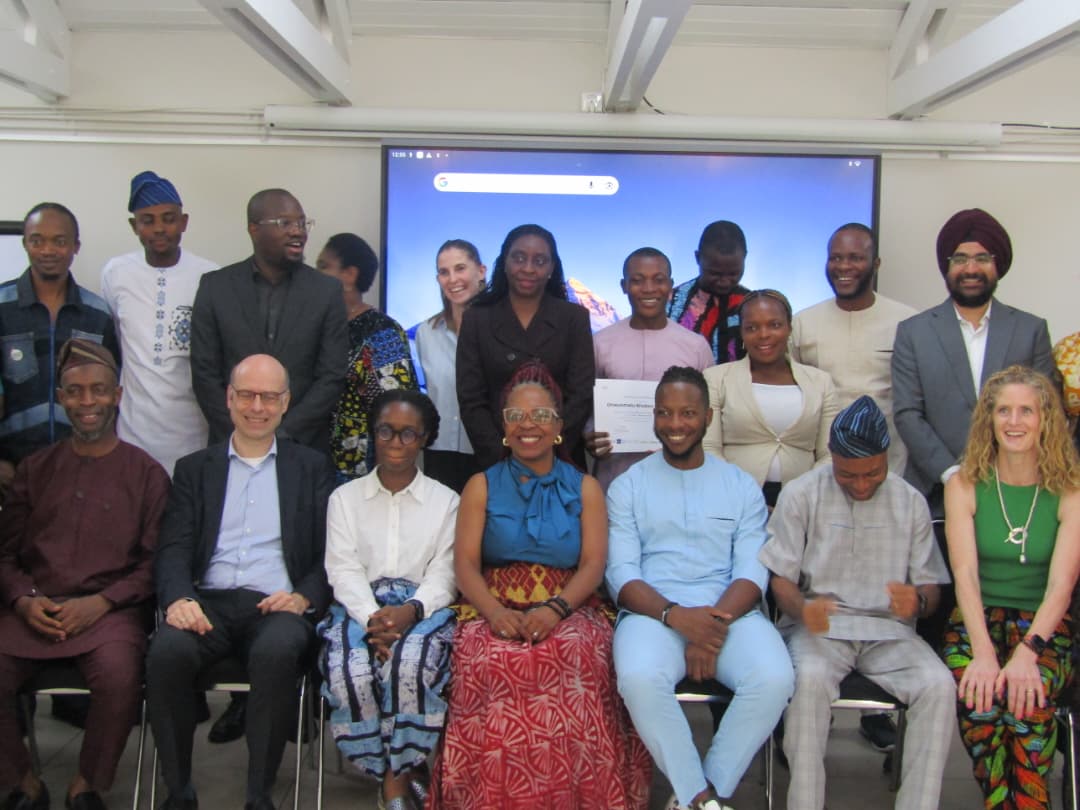
The four-day event, which ran from February 16 to 19, ended with a prize research award, where five young researchers presented solutions to some of the country’s biggest environmental and economic problems. Among them, the overall winner carted home a prize of N1 million.
Consul General of the Netherlands in Lagos, Michel Deelen, who was a key figure at the event explained that accurate data was the missing piece of the puzzle needed to convince businesses to go green.
According to him: “Now to do so, you need data. You need information. You need to know what type of products you are talking about. And without the data coming out of these types of studies, you can’t make an informed decision.”
Deelen noted that you can have a brilliant green plan, but if it is more expensive than the regular version, people will not buy it. He said the goal of the week was to make sure research fits into the real Nigerian economy, noting, “The research is very crucial to also fit in within the Nigerian economic system”.
Wisdom Onwunmelu was announced as the first-place winner, with a cheque of N1 million grant for his work, which involved turning rice husks into clean energy. A Master’s student at the Federal University of Agriculture, Abeokuta, Wisdom was inspired by the heavy pollution caused by rice husks in his community.
Expressing delight over the award, Onwunmelu said, “I feel seen because as you know, research support is not something that is that common in Nigeria. This grant will help me show how to reduce energy costs for food sellers while providing farmers with natural fertiliser. The impact, I believe, would go all around from the farmers to the food vendors, to electricity usage. “
Other awardees were researcher, Aminat Ibrahim, who came second with a solution that tackled the hidden problem of clothing waste in Northern Nigeria by proposing a better collection system for Zaria. She argued that: “ If circular fashion is the goal, then collection is the foundation. For researcher, Esther Adewole, from the University of Ibadan, who clinched the third position, her innovation showed how fly ash from power plants can be used to make soil better and grow more food.
Also recognised for their important work were researchers, Mayowa Oke, who showed a seven-step framework for collecting waste data in Lagos, and Jessica Paul, who argued for better data to make sure plastic policies actually work.
Meanwhile, the judges included a mix of industry and school leaders. These included Corporate Communications and Sustainability Manager for Nestle Nigeria, Victoria N. Anyianuka; Sustainability Specialist at BASF, Boluwatito Aiyepola; President of the Africa Circular Economy Research and Policy Network, Olawale Olayide; and Consul General, Michel Deelen.
Victoria Anyianuka explained that Nestlé’s involvement was more than just a tick in the box activity. She said that businesses must explain their challenges so that researchers can find the right solutions, stating, “industry must articulate the problem, articulate the challenge, and then have an engagement with research to solve those challenges”. Nestle has promised to provide mentoring and expert advice to the winners to make sure their projects move from the lab to the real world.
Olawale Olayide ended the session by reminding everyone that “we can do more with less if we collaborate”. He also announced that the work would continue at the upcoming Circularity Africa Conference in Osun State this May.
Disclaimer
Comments expressed here do not reflect the opinions of Vanguard newspapers or any employee thereof.