
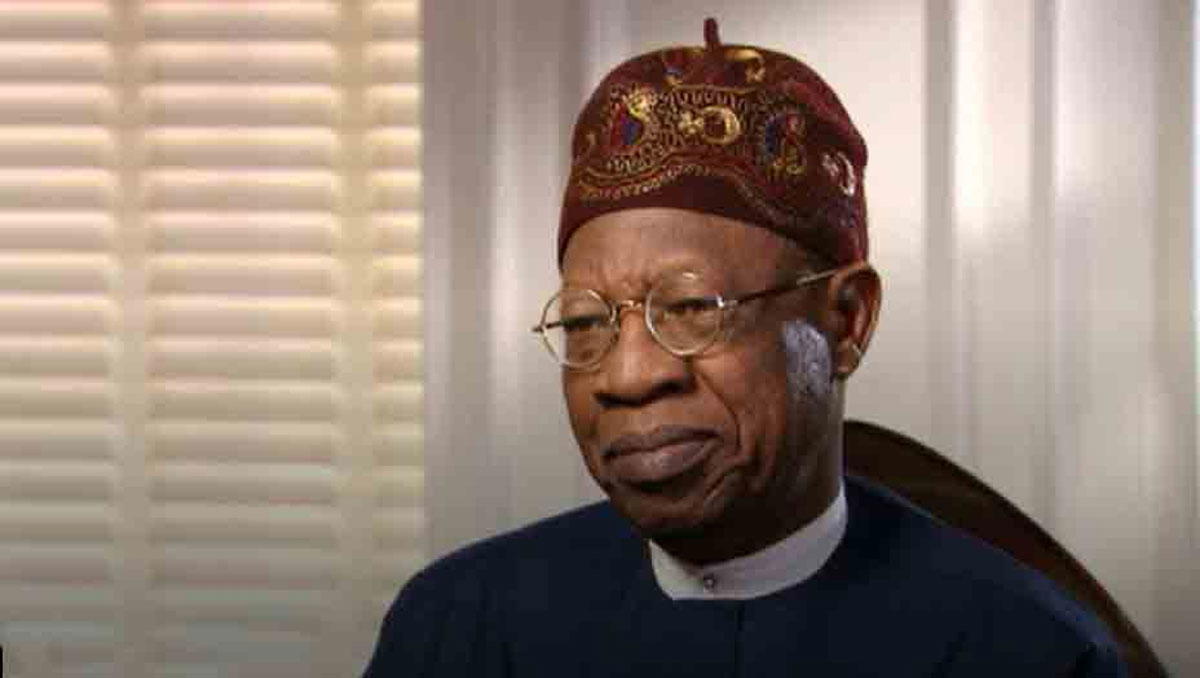
Lai Mohammed
By Joseph Erunke, Abuja
Former Minister of Information and Culture, Alhaji Lai Mohammed, has lifted the lid on the high-stakes communication battles that defined the Muhammadu Buhari administration, portraying his years in office as a relentless struggle to shape public perception amid controversy, criticism and political turbulence.
At the Lagos launch of his book, Headlines & Soundbites: Media Moments That Defined an Administration, Mohammed offered a reflective ,and at times combative , account of his stewardship, arguing that the real contest in governance is often fought in the arena of public opinion.
According to him, policy decisions alone do not sustain an administration; narrative control does.
Throughout his nearly eight-year tenure, Mohammed said he positioned the Ministry of Information as the government’s “frontline defence,” rolling out initiatives aimed at projecting achievements while countering what he described as hostile or misleading narratives.
Central to that effort was the 17-week “Scorecard Series,” during which 26 ministers publicly presented their ministries’ accomplishments ahead of the 2023 general elections.
He described the initiative as a strategic response to opposition claims that the APC-led government had little to showcase.
The exercise, which ended just days before the presidential poll, he said, became a repository of campaign material for party candidates nationwide.
But beyond structured communication campaigns, Mohammed’s tenure was marked by crises that tested both policy and perception.
He identified the #EndSARS protests as the most difficult episode of his time in office, describing the period as a turning point that exposed what he called the dangers of unchecked misinformation in the digital age. He maintained that while lives were lost during the nationwide unrest, the Federal Government had consistently rejected claims of a massacre at the Lekki Toll Gate.
The former minister also revisited the controversial suspension of Twitter in Nigeria, acknowledging the economic and democratic concerns it raised. Despite those reservations, he defended the decision as necessary in the face of what he termed threats to national security.
“In governance, public interest must always take precedence over individual interest,” he reiterated.
Mohammed used the occasion to advocate a recalibration of the relationship between government and the media, arguing that even when critical, the press remains an indispensable institution in a democracy.
“The media is not the opposition; it is the amplifier,” he said, noting that tension between government and journalists is inevitable but should not obscure their shared stake in national development.
In writing the book, Mohammed said he aimed not only to document his stewardship but also to contribute to what he sees as a broader imperative: Africans telling their own stories rather than allowing external actors to define their history.
The memoir, he suggested, is less about vindication and more about preserving a record of how one administration navigated reform, resistance and reputational warfare in an era dominated by instant information and digital activism.
Disclaimer
Comments expressed here do not reflect the opinions of Vanguard newspapers or any employee thereof.