
By Matthew Johnson
The Lagos State Government, in collaboration with Varsity Mentor, has called for an urgent overhaul of Nigeria’s educational curriculum to align with the demands of an increasingly artificial intelligence-driven global economy.
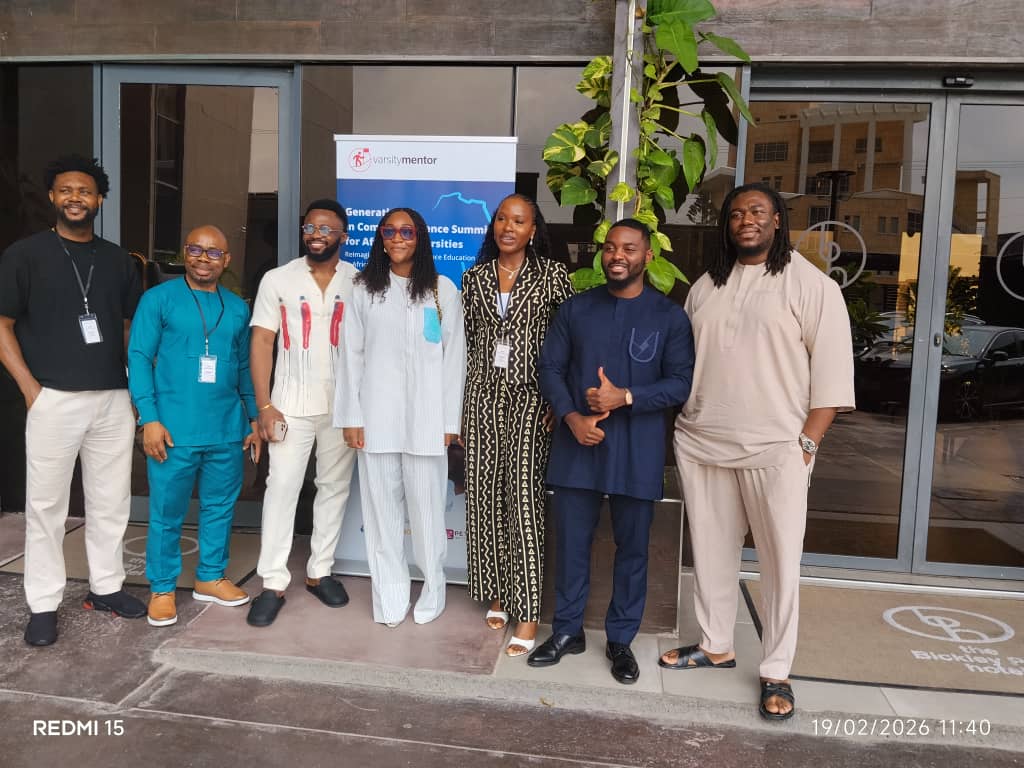
The Permanent Secretary, Lagos State Ministry of Tertiary Education, Kasali Adeniran, made the call at the Artificial Intelligence and Computer Science Education Summit organised by Varsity Mentor in Lagos.
Adeniran said Nigeria’s curriculum must evolve from what he described as a rigid and traditional structure to a dynamic framework capable of responding to rapid technological and societal changes.
“Our curriculum cannot remain static. It must be responsive to social and technological realities. Artificial intelligence has come to stay, and it cuts across all professions,” he said.
He disclosed that Lagos State was moving towards integrating artificial intelligence, AI, into the core curriculum across disciplines, rather than restricting it to computer science and engineering programmes.
“It is no longer sufficient to train students in isolated disciplines. Whether in medicine, law, the arts or engineering, there must be a general AI curriculum. Our goal is to produce graduates who are fit for purpose immediately after graduation,” he said.
The permanent secretary further revealed plans to make AI and Emotional Intelligence, EI, compulsory components of tertiary education in the state, describing AI literacy as a critical survival skill in the modern economy.
According to him, the National Universities Commission, through the Curriculum Minimum Academic Standards, CMAS, already provides universities with up to 30 per cent flexibility to introduce innovative and relevant courses.
“We must challenge AI rather than be overwhelmed by it. This requires deliberate investment in knowledge, skills and attitudes that enable students to deploy AI responsibly and productively,” Adeniran added.
He said Lagos State was advancing a General Studies model for AI, positioning AI literacy alongside compulsory courses such as Use of English, and warned that delaying AI education until the tertiary level would be counterproductive.
“If we wait until students get to the university, we risk confronting a knowledge gap that is difficult to correct. AI education must be embedded early to build confidence and competence,” he said.
Adeniran highlighted ongoing state initiatives to support digital learning, including free campus internet access, smart learning platforms and digital skills programmes, as well as plans to expand campus Wi-Fi infrastructure, upgrade laboratories and integrate industry professionals into classroom teaching.
He cautioned that without adequate infrastructure, including modern computer laboratories, updated equipment and reliable digital systems, AI-focused reforms would be difficult to sustain.
Also speaking, technology investor and summit facilitator, Jude Dike, called for collective responsibility in equipping Nigerian youths with future-ready skills.
“The task before us requires coordinated action. Government must provide enabling policies, academic institutions must update curricula, and industry must deepen mentorship and practical exposure,” he said.
The summit also spotlighted gender inclusion in technology, with participants acknowledging the growing contributions of women in AI leadership, including Eniola Edun, while urging greater visibility and institutional support.
Stakeholders at the summit agreed that Nigeria must transition from theory-driven education to hands-on, problem-solving approaches powered by technology and innovation, stressing that curriculum reform is critical to positioning the country for competitiveness in the fast-evolving digital economy.
Disclaimer
Comments expressed here do not reflect the opinions of Vanguard newspapers or any employee thereof.