
By Gabriel Ewepu
ABUJA – THE European Union (EU) has partnered with Abuja-based Gallery of Code to apply Artificial Intelligence, AI, revitalize and preserve over 6,000 Nigerian cultural heritage sites.
The collaboration aims to support artists, scientists and technology experts in harnessing AI to document, preserve and reimagine Africa’s cultural legacy.
Gallery of Code, Africa’s first transdisciplinary design laboratory, integrates art, science and technology to promote innovation and creative research.
The Chief Executive Officer, CEO, Gallery of Code, Oscar Ekponimo, explained that the initiative basically focuses on designers, artists, curators, writers, technologists, scientists and cultural practitioners.
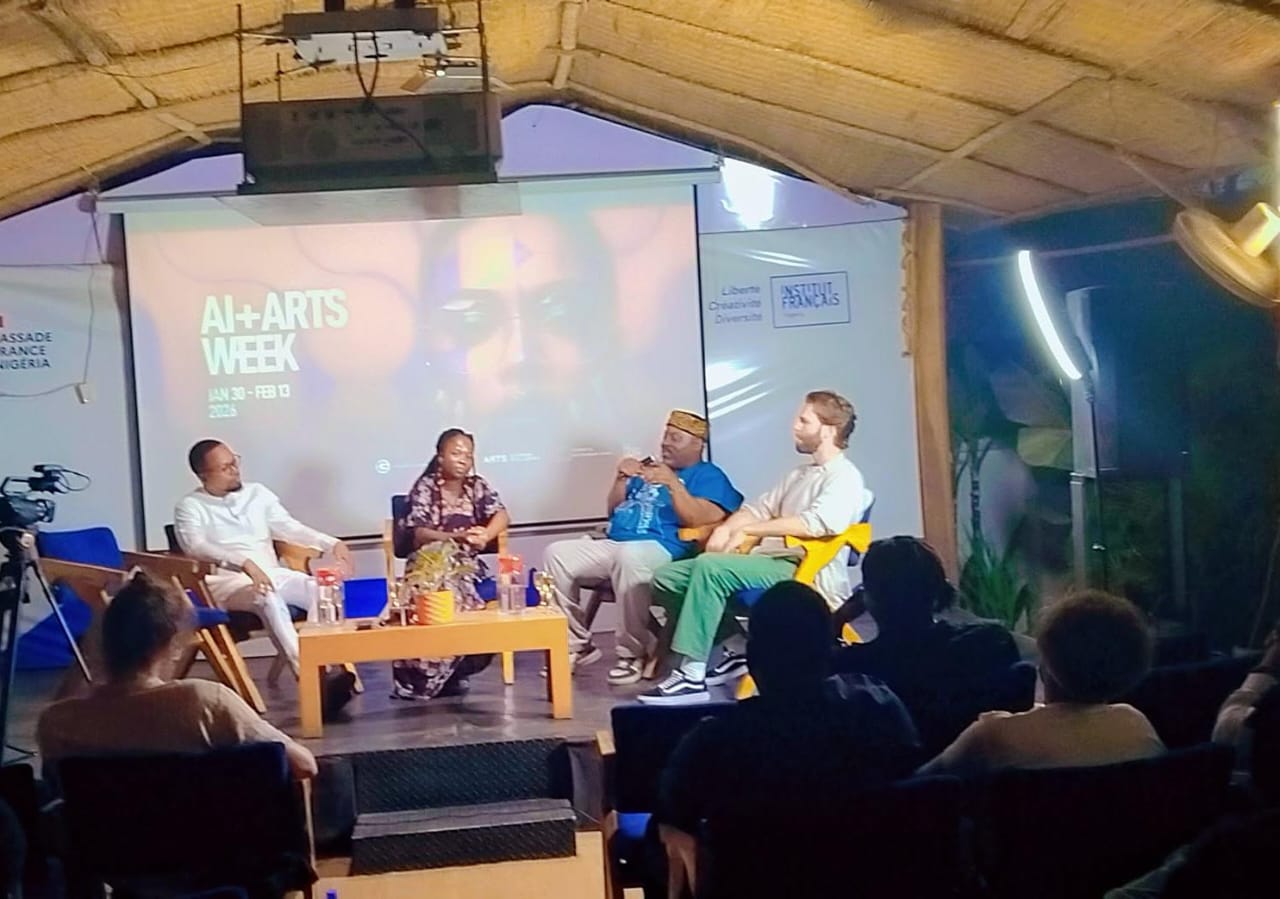
According to Ekponimo, the week-long symposium held in Abuja reflects a commitment to bridging arts, design, technology and humanity, while advancing research, innovation and cross-sector partnerships with international institutions.
He also stressed the importance of ethical considerations in AI deployment, noting that while technology offers significant benefits, it also poses risks.
Also, the Director-General, National Council for Arts and Culture, NCAC, Obi Asika, while speaking during a session tagged ‘Art, AI and the Human Questions,’ made it known that Nigerian creators generate between 10,000 and 15,000 original contents daily across about 60 platforms.
Asika stressed that policies must protect creators’ ownership, intellectual property and economic value as AI reshapes global content production while he revealed that Nigeria reaches over 3 billion people annually.
He also called for the development of stronger domestic platforms for monetisation, education and freelance opportunities, warning that technology operates on the principle of “garbage in, garbage out,” and therefore requires quality input and strategic implementation.
He noted that AI could help revitalise over 6,000 heritage sites in Nigeria through digital storytelling, reconstruction and virtual experiences, thereby enhancing tourism, preserving mythology and strengthening national historical documentation.
He further cautioned that AI primarily amplifies skilled individuals rather than offering shortcuts to success, emphasising that technology remains a tool that cannot replace talent, education or knowledge.
Meanwhile, in a remark, Ramona Van-Gansbeke of Gluon Brussels said the AI+Arts Week promoted expertise sharing, local capacity building and the development of solutions to AI-related challenges at both local and global levels.
She explained that the Afropean Intelligence project connects European institutions with Gallery of Code through artistic residencies, and critically examines artificial intelligence while fostering Afro-European synergy.
Disclaimer
Comments expressed here do not reflect the opinions of Vanguard newspapers or any employee thereof.