
By Chioma Obinna
Education and disability advocates to have called on the Federal Government to urgently fund inclusive schools, expand therapy services, and provide robust support for families of children with special needs.
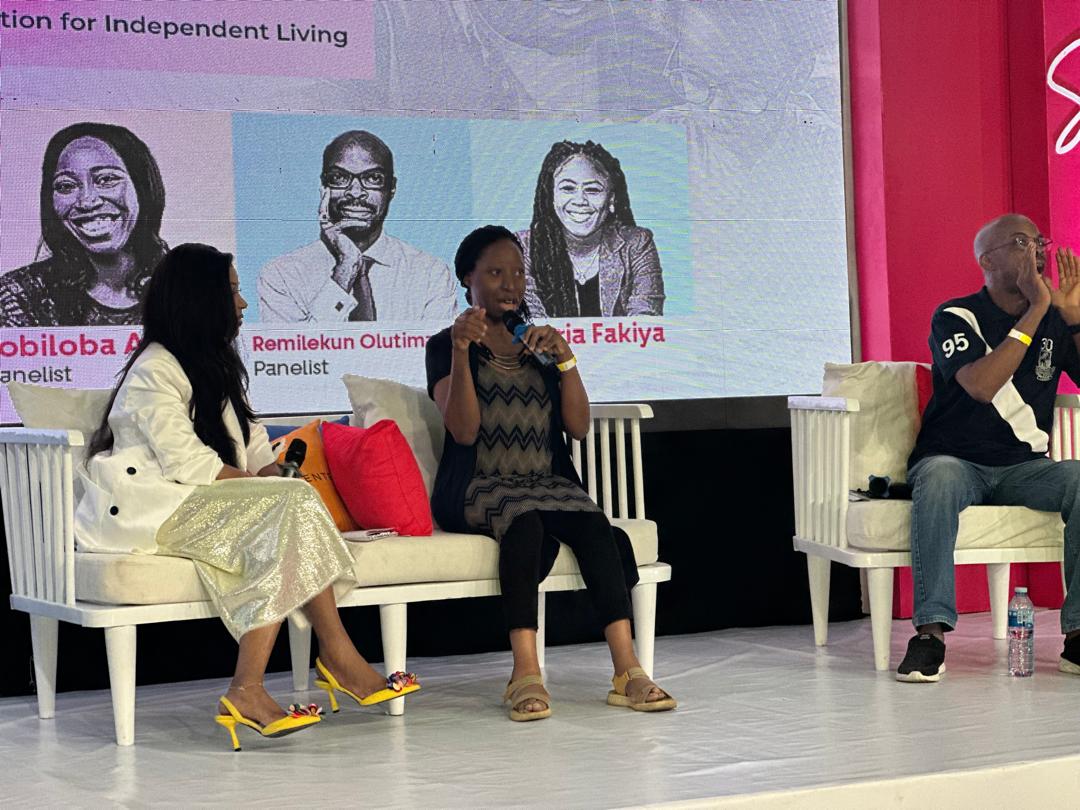
They made the appeal at the 2026 Special Educational Needs and Therapy Empowerment (SENTE) Conference and Trade Fair held in Lagos, with themed “Preparing for Adulthood: Empowering Caregivers and Families.”
Speaking to journalists at the event, the Chair of the SENTE Organising Committee, Dr Mudi Nwachukwu, said insufficient funding and weak policies remain major barriers confronting families raising children with additional needs.
“Funding, funding, funding — I cannot say it enough. We need the money to build institutions where people can get the help they need. Therapy is not cheap, yet many parents are left to source funds on their own.”
Nwachukwu, founder of an educational support service for children with learning challenges, explained that her advocacy began after years of interacting with parents who lacked guidance and resources.
“In running the business, I met many parents and realised there was nothing for them in terms of support. They were stigmatised. They had no one to talk to and didn’t know where to get help or resources,” she said.
She added that some states in Nigeria still lack access to basic therapy services.
“I spoke to someone who said there was no speech therapy in their state. Imagine the despair of parents in such places. The work is still heavy; there is so much to be done,” Nwachukwu said.
Beyond funding, she emphasised the need for enforceable anti-discrimination policies to protect families and children with special needs.
“There are families that taxis refuse to carry because they have a child with special needs. Policies must make people take notice — if not from the goodness of their hearts, then from the fear of breaking the law,” she said.
“We can keep talking but without funding and enforceable policies, families will continue to struggle alone. What we need is an inclusive society where every child, regardless of ability, has the opportunity to thrive.”
Also speaking, the President of the Association of Corporate Treasurers of Nigeria and a parent of a child with special needs, Mr Yinka Ogunnubi, decried the culture of silence driven by stigma.
“This issue affects a lot of parents. Because of stigma, many cases are not spoken about. Some children are locked up at home. Some are taken to spiritual centres to ‘cast out demons.’ Some are maltreated,” he said.
Ogunnubi argued that government intervention is critical to expanding inclusive education.
“If we can make the government realise that there are many children on the spectrum not just autism, but Down syndrome, dyslexia, and other neurodivergent conditions — then we have a strong case for funding inclusive schools,” he said.
“Children should not be sent away from school because there are no teachers to support them. Every school must be inclusive,” he added, stressing that adequate regulation and funding would ensure that both public and private schools could accommodate every child, whether typical or neurodivergent.
On her part, Founder of Cradle Lounge Special Needs Initiative, Mrs Solape Azazi highlighted the importance of early intervention and long-term planning.
“An autistic five-year-old will grow up to become an autistic 20-year-old,” she said.
“What preparation have you made for adulthood? What financial plans are in place? What structures will support that child when the parents are no longer there?”
Azazi also warned against spiritualising developmental conditions at the expense of professional intervention.
“There is a place for prayer, but there is also a place for intervention. When we spiritualise an issue that requires structured support, we do the child a disservice,” she said.
In a session on life skills, the Founder of Let Cerebral Palsy Kids Learn Foundation, Ms. Tobiloba Ajayi, urged parents to raise children with a positive mindset and not define them by their diagnoses.
“You stop seeing the child and all you see is the diagnosis — autism, cerebral palsy, ADHD. My parents consistently reminded me that I was not my diagnosis. An explanation is different from an excuse.”
She encouraged parents to allow children to struggle and build resilience.
“Struggle will not kill them. Let them struggle while you are there to provide a safety net. Life does not reward ease,” Ajayi said.
A journalist and disability advocate, Chinyere Ogidi, also encouraged parents to observe their children’s interests and strengths.
“Notice their patterns. What do they enjoy? Build on that foundation. When children are supported at home, teachers can build on that and help them thrive,” she said.
The advocates agreed that while some progress has been made, particularly in Lagos, systemic reform is urgently needed nationwide to ensure access to therapy, inclusive schooling, and protection from discrimination.
Disclaimer
Comments expressed here do not reflect the opinions of Vanguard newspapers or any employee thereof.