
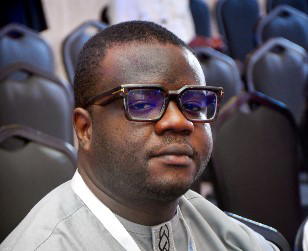
By Barnabas Akindele
Education remains the most powerful tool for national transformation. Yet in Nigeria, this tool has, for decades, been blunted by outdated curricula, underfunding, inequity, and a growing disconnect between learning and real-world needs. As the world marks the International Day of Education in January 2026, the conversation must move beyond access to education and focus squarely on re-engineering Nigeria’s education system for sustainable development.
Nigeria’s education system is largely designed for an era that no longer exists, one focused on rote learning, certificates over competence, and white-collar aspirations in an economy that can no longer absorb them. In a century defined by climate change, digital transformation, entrepreneurship, and innovation, the current model leaves millions of young Nigerians ill-prepared for the future of work and civic leadership.
Re-engineering education in Nigeria must begin with curriculum relevance. Learning should no longer be abstract or detached from national priorities. Science, technology, engineering, and mathematics (STEM), as well as other subjects and courses, must be taught alongside climate education, digital literacy, financial education, civic responsibility, and entrepreneurship. Sustainable development is not merely an environmental concept; it encompasses economic resilience, social inclusion, ethical leadership, and innovation, competencies that must be deliberately embedded into teaching and learning from basic to tertiary levels.
Equally critical is the teacher question. No education system can rise above the quality of its teachers. Re-engineering must involve continuous teacher training, fair remuneration, digital upskilling, and renewed social respect for the profession. Teachers should be empowered not as exam coaches but as facilitators of critical thinking, creativity, and problem-solving skills essential for sustainable national growth.
Infrastructure and technology also demand urgent attention. While digital tools have the potential to democratise learning, Nigeria’s digital divide continues to widen educational inequality. Sustainable education reform must prioritise inclusive access, especially for rural communities, girls, and children with disabilities, ensuring that technology becomes an equaliser rather than another barrier.
Beyond schools, education must be reconnected to the economy. Stronger partnerships between government, the private sector, civil society, and academia are essential to align education with labour market needs and national development goals. Internships, apprenticeships, technical education, and vocational pathways must be elevated, not stigmatised, as viable and dignified routes to success.
Importantly, re-engineering education is not a one-off reform but a long-term national commitment. It requires political will, sustained investment, accountability, and the courage to rethink long-held assumptions. Sustainable development cannot be achieved with an unsustainable education system.
As the world commemorates International Day of Education 2026, the message should be clear: the future of Nigeria will be shaped not only by its natural resources but by the quality, relevance, and inclusiveness of the education it provides its people. Re-engineering education is no longer optional; it is the foundation upon which Nigeria’s sustainable development must stand.
Barnabas Akindele is a PR and Communications Strategist
Disclaimer
Comments expressed here do not reflect the opinions of Vanguard newspapers or any employee thereof.