
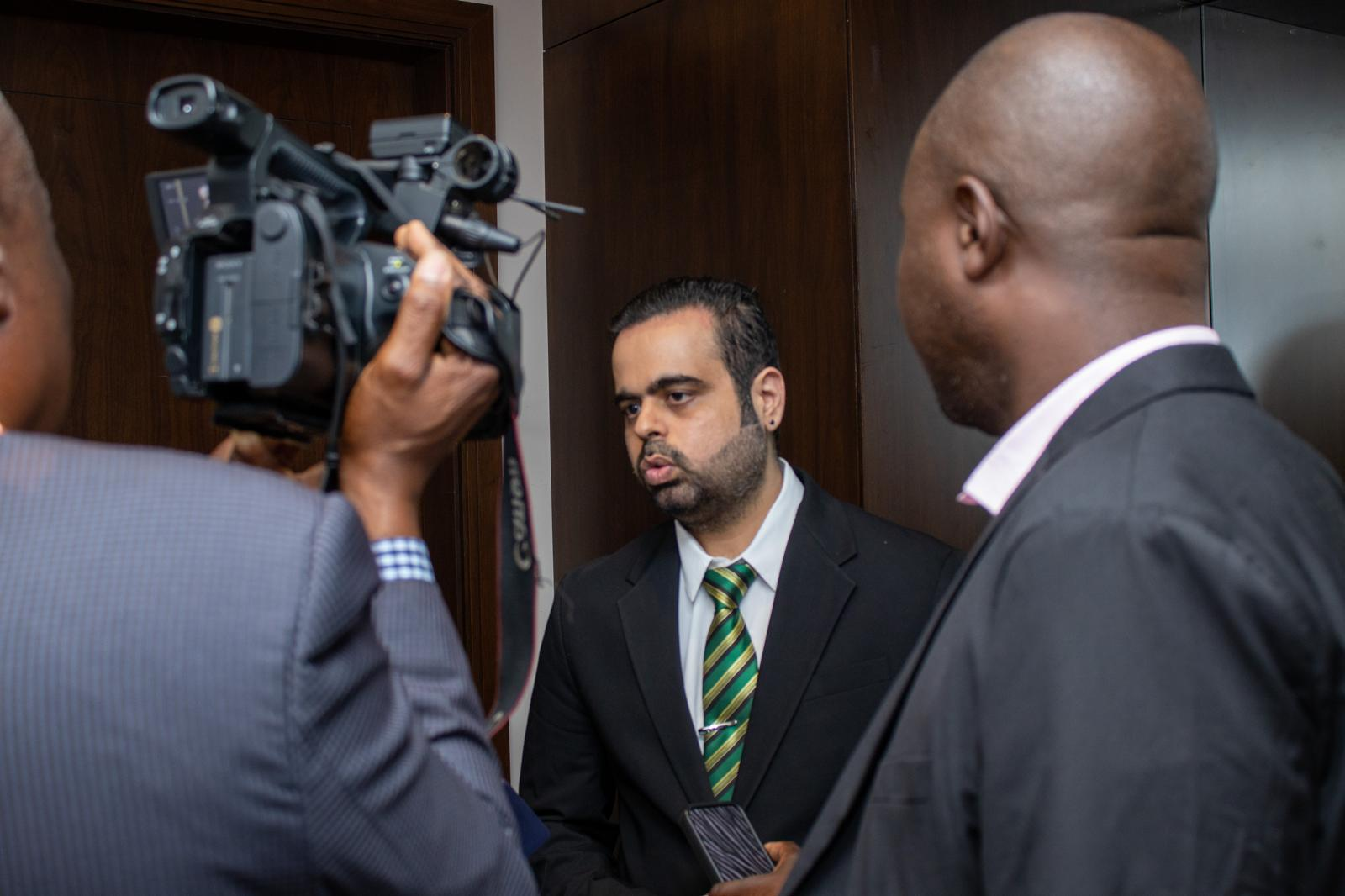
African technology investor and industrialist Prateek Suri is in advanced discussions with several African governments over the acquisition of large parcels of land for the development of next-generation, AI-powered data centres, Vanguard has learnt.
Sources familiar with the negotiations disclosed that the talks, which are being conducted largely behind closed doors, could culminate in one of the most ambitious digital infrastructure investments on the continent.
According to the sources, Suri is exploring the acquisition of expansive tracts of agricultural land, particularly in remote and semi-rural areas, for the establishment of hyperscale data centre campuses. The strategy is said to be driven by lower land costs, ease of regulatory approvals and the opportunity to develop large-scale power infrastructure alongside the projects.
It was gathered that the proposed data centres would rely significantly on on-site renewable energy, including solar farms, independent power producers (IPPs) and hybrid energy systems, in order to minimise dependence on national electricity grids.
Industry analysts note that Africa is witnessing a rapid increase in demand for data infrastructure, fuelled by the growth of cloud services, fintech, digital content consumption and the accelerating adoption of artificial intelligence (AI) technologies.
A report by McKinsey projects that data centre capacity across Africa’s five largest markets could rise from about 400 megawatts to between 1.5 and 2.2 gigawatts by 2030, underscoring the scale of the continent’s digital expansion.
The rising adoption of AI has further intensified energy demands, with the International Energy Agency estimating that global data centre electricity consumption could double by 2030, making power availability a critical factor in digital development.
Analysts say Suri’s approach, which prioritises land and power infrastructure before scaling computing capacity, differs from traditional urban-focused data centre models and could help address long-standing concerns over grid instability in several African countries.
However, the initiative has generated debate among stakeholders. Some agricultural and land-use experts have cautioned against the large-scale conversion of farmland to industrial use, urging transparency and safeguards to protect local communities and food systems.
Others argue that the proposed investments could be transformative, delivering employment opportunities, improved energy infrastructure, foreign capital inflows and enhanced digital sovereignty for African nations.
“Data centres are the backbone of the AI era,” a policy adviser involved in early discussions said. “If properly executed, such projects can position Africa more competitively in the global digital economy.”
As negotiations continue, observers say the outcome could significantly influence Africa’s digital and AI-driven future, where control of land, energy and long-term capital is increasingly strategic.
Disclaimer
Comments expressed here do not reflect the opinions of Vanguard newspapers or any employee thereof.