
By Adeola Badru
Professional borehole contractors in Oyo State have called on Governor Seyi Makinde to lead efforts in formally regulating and sanitising the water drilling sector, warning that the current lack of clear standards exposes residents to unsafe water, substandard infrastructure, and unqualified operators.
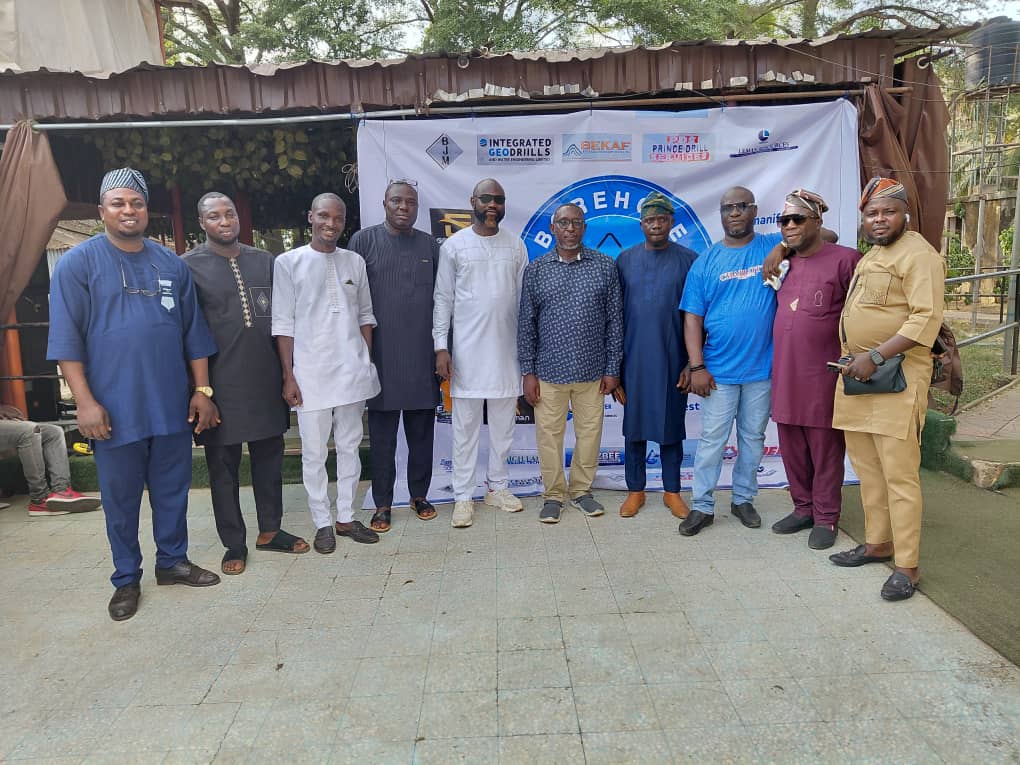
The appeal was made by Mr. Ayo Akinyemi, Chairman of the Borehole Contractors Hub (BCH) in Oyo State, during the association’s end-of-year address. He urged both federal and state governments to officially recognise, regulate, and actively involve professional borehole contractors in public water development initiatives.
“Government decisions affect our work whether we like it or not, from licensing and regulation to contracts and professional protection. When water projects are planned, our voice must be heard. When policies are drafted, we must be at the table, not on the menu,” Akinyemi said.
He stressed that Nigeria can no longer treat borehole drilling as an informal trade dominated by quacks, especially amid increasing water scarcity, population growth, and public health concerns. According to Akinyemi, borehole contractors provide essential water infrastructure for homes, schools, hospitals, and rural communities, yet operate without policy protection, standardisation, or institutional support.
Formed to address fragmentation in the sector, the Borehole Contractors Hub aims to unify practitioners against unqualified competitors and official indifference. “This is not just a social gathering. It is a statement that borehole contractors are no longer scattered and unheard. We are organising ourselves as professionals with a shared voice and a shared future,” he said.
Akinyemi compared the water drilling sector to other regulated professions, noting that doctors, engineers, and lawyers all operate under statutory bodies that safeguard professional standards. He argued that the water sector deserves similar recognition due to its direct impact on public health and national development.
He said a unified professional body would help government agencies identify credible contractors, eliminate quackery, enforce best practices, and improve groundwater development quality nationwide. “When clients see BCH, they must see quality, credibility and professionalism. An individual contractor can be dismissed, but an organised body cannot be ignored,” he added.
The BCH chairman also highlighted the economic benefits of collective organisation, including pooled expertise, mentorship for younger practitioners, access to larger projects, and cost reductions through cooperative procurement of materials and equipment.
He urged contractors to remain committed, united, and politically engaged to protect their interests and ensure the long-term sustainability of water infrastructure. “As a nation grapples with water scarcity and population growth, professional borehole drilling is no longer optional; it is essential. Water gives life, and unity gives power. Together, we will not only drill boreholes; we will help shape the future of water access in Nigeria,” Akinyemi said.
He concluded by expressing confidence that a more organised and regulated sector would earn government trust and play a central role in Nigeria’s water security efforts.
Disclaimer
Comments expressed here do not reflect the opinions of Vanguard newspapers or any employee thereof.